
This guide explains what an external preamp does, when it improves recording quality, and when your money is better spent elsewhere. It’s for home studio owners, podcasters, streamers, vocalists, and musicians who want a simple answer without the jargon.
A better preamp can help in the right setup, but it’s not a magic fix. For many people, mic choice, room treatment, and interface quality matter more first.
Quick Answer
For most people, an external preamp is not the first upgrade they need. It’s worth it in specific setups, like gain-hungry mics or an interface that’s already the weak link, but it won’t fix a bad room or the wrong mic choice. If your basics aren’t sorted yet, start there before spending on a preamp.
Key Takeaways
- For most people, an external preamp is not the first upgrade worth making.
- It helps most with gain-hungry mics or when your interface is the actual bottleneck.
- A preamp cannot fix a bad room, the wrong mic, or weak technique.
- Room treatment, mic choice, and interface quality usually matter more than preamp quality.
Quick comparison
| Setup | External preamp worth it? | Why | Better first upgrade |
|---|---|---|---|
| Beginner home studio | Usually no | Other upgrades matter more | Mic, room treatment, interface |
| Podcaster with gain-hungry mic | Sometimes yes | Clean gain can help a lot | Check interface first |
| Vocalist chasing tone | Often yes | Can shape sound and add character | Depends on existing chain |
| Streamer with USB mic | Usually no | USB mics do not use external preamps | Better mic or room setup |
| Treated studio with good mic | Maybe | Final refinement or flavor | Depends on goals |
What a Preamplifier Does
A preamp raises your microphone’s signal from mic level up to line level, which is the strength your recording gear actually needs to work with. Without that boost, the signal is too weak to record cleanly, no matter how good the mic is.
What a preamp actually changes is clean gain, noise floor, headroom, and tonal character. Some mics and voices are far more sensitive to these differences than others, which is why a preamp upgrade transforms one setup and does nothing audible for another.
Built-In vs External Preamps
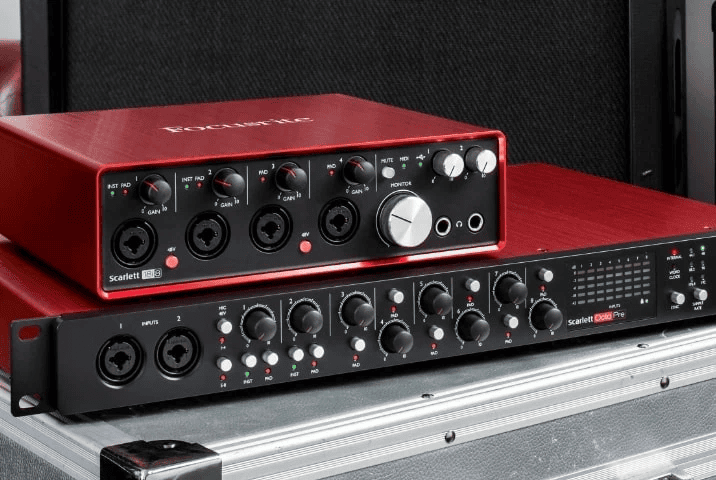
Most audio interfaces already include usable preamps, and many of them are good enough for beginners and even intermediate users, especially on condenser mics that don’t need much gain to begin with. For a lot of home studio setups, the built-in preamp was never actually the bottleneck.
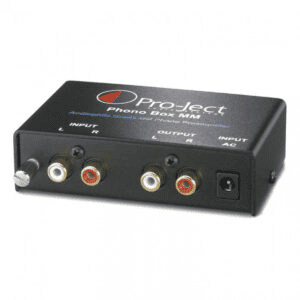
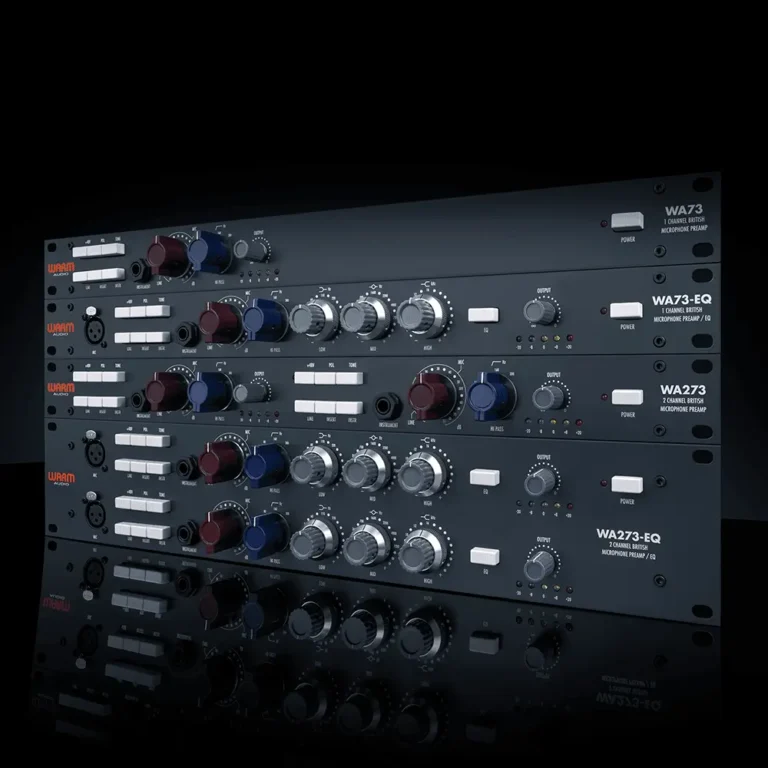
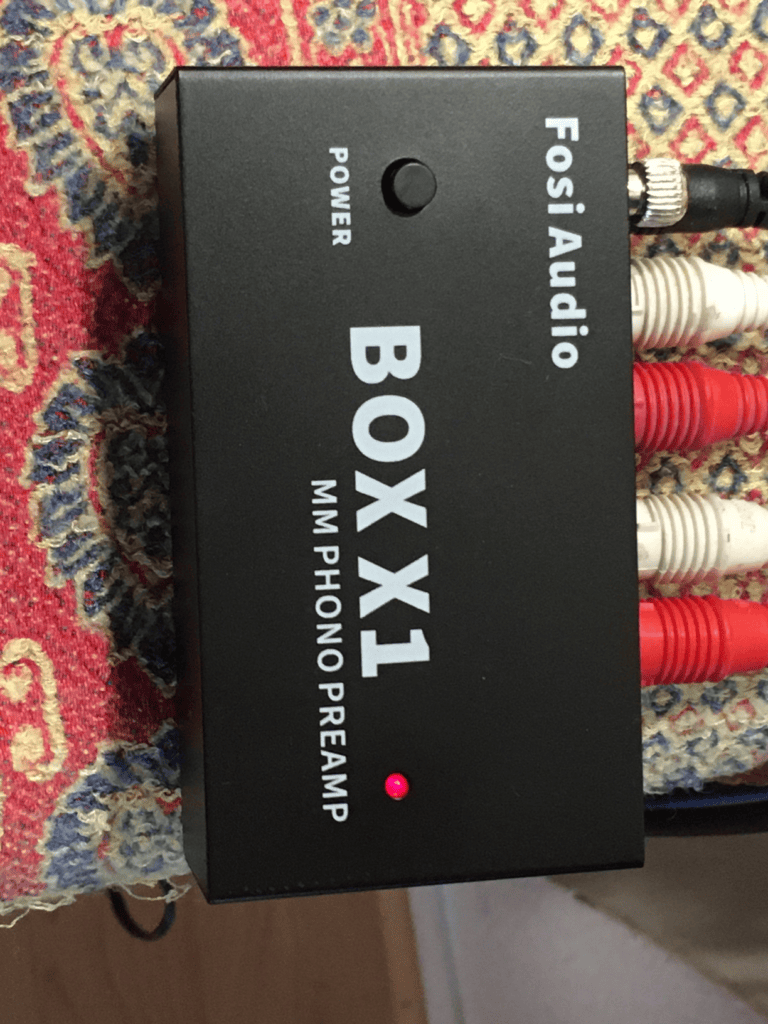
External preamps can add more gain, cleaner gain, tonal coloration, or more hands-on control over the signal.
That said, not every external preamp sounds better than a built-in one, just different, so the upgrade only pays off if it’s solving a problem your current interface actually has.
When an External Preamp Is Worth It
Some dynamic mics, like the Shure SM7B, need more clean gain than budget interface preamps can supply.
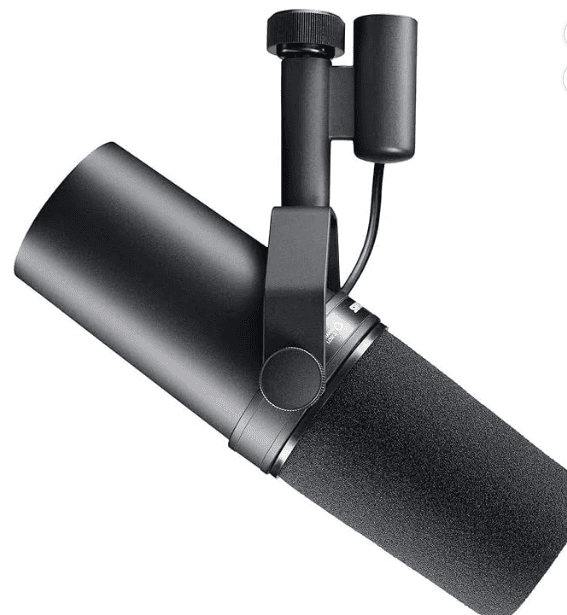
This shows up as hiss, weak vocal levels, or a track that sounds thin no matter how much you turn it up, and it’s the clearest case where an external preamp earns its cost.
Once that gain problem is solved, vocal recordings on a strong chain often gain clarity, body, and smoothness that wasn’t there before.
For podcasters and voice creators recording daily or weekly, a dedicated preamp can also deliver a more consistent, polished sound across every episode, which matters more the more often you record.
And if analog color, saturation, or a specific sonic “character” is part of the sound you’re after, an external preamp is one of the more direct ways to get there. That last case is a stylistic choice more than a technical necessity.
When It Is Not Worth It
A preamp does not fix echo, fan noise, or poor acoustics. It boosts whatever signal is already there, room problems included, so a bad-sounding space stays bad-sounding, just louder.
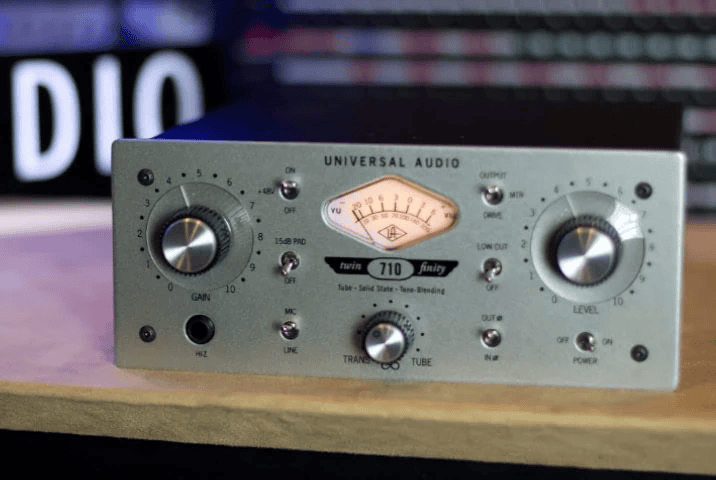
Mic choice usually matters more than preamp quality too. A great preamp on the wrong mic for your room still won’t get you the sound you’re after.
Room treatment, mic technique, and interface quality typically belong ahead of a preamp on the priority list, and spending on one before those basics are sorted is one of the most common ways people waste money in a home studio.
What Actually Changes in Sound
There’s a real difference between loud enough and clean enough. A weak preamp can hit your target volume while still adding noise to get there, and a better preamp keeps the recording quieter at the same gain level, which matters most with quiet sources or gain-hungry mics pushed hard.
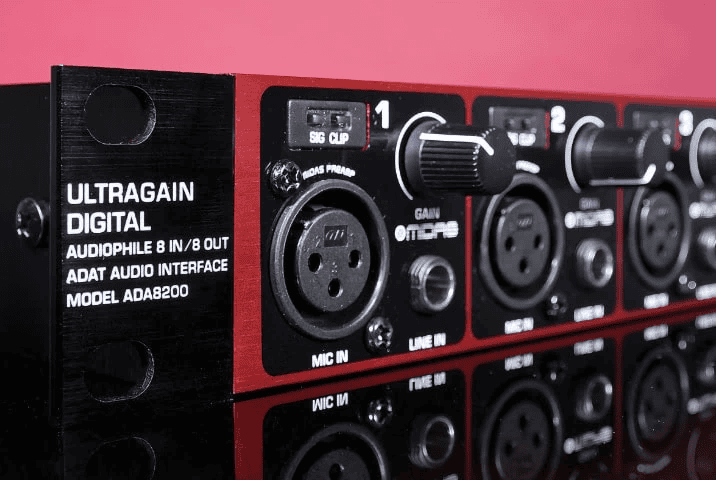
Headroom is the other big factor, especially for louder voices and dynamic performances that swing between quiet and loud. More headroom means less risk of clipping on the loud parts.
On tone, some preamps add subtle color while others aim to stay transparent, and which one you want comes down to whether you’re chasing character or accuracy.
Who Should Buy One
- Beginners: Usually no, unless they already have a specific, identifiable problem a preamp would solve.
- Home studio vocalists: Maybe, if they’re chasing a better vocal chain and everything else is already sorted.
- Podcasters and streamers: Sometimes, but only if their current interface is the actual bottleneck.
- Musicians and engineers: More likely, especially if tone shaping or a specific recording workflow is part of the goal.
What to Look For
- Gain range: Make sure it can properly drive your specific mic.
- Noise performance: Look for clean operation at the gain levels you’ll actually use.
- Transparency or color: Choose based on whether you want clarity or character.
- Connectivity: Check XLR in and line out, and how it fits into the rest of your chain.
Common Mistakes
- Buying a preamp to fix a bad room.
- Buying one before understanding your mic’s actual gain needs.
- Assuming more expensive automatically means better for your setup.
- Ignoring the interface, cables, and recording chain the preamp has to work with.
FAQ
Do I need an external preamp for an SM7B?
Often, yes. The SM7B needs a lot of clean gain, and many budget interfaces struggle to drive it without adding noise.
Will an external preamp improve podcast quality?
It can, but usually only if your current interface is already the weak point. Room treatment and mic technique tend to matter more for overall podcast quality.
Is an expensive interface preamp enough?
For most sources, yes. Some mics still need more gain or a different tonal character than even a good built-in preamp provides.
Does a preamp make vocals sound professional?
Not on its own. It can improve clarity and reduce noise, but the room, mic choice, and performance still do most of the work.
Is the difference between preamps noticeable to beginners?
Sometimes, but often not enough to justify the cost before other basics are handled. The difference becomes clearer once the rest of the chain is solid.
What matters more, preamp or microphone?
Microphone, in most cases. The mic shapes the sound far more than the preamp boosting its signal.
Can a preamp fix a noisy room?
No. It boosts the signal it’s given, room noise included, so it can’t remove problems that are already baked into the recording.
Final Verdict
Most beginners do not need an external preamp yet. The best use case is people with gain-hungry mics, specific tone goals, or a setup where everything else is already dialed in.
If your room, mic, or interface are still the weak points, start there first. A preamp is a refinement, not a fix. Your interface and other essential home studio hardware matter more.