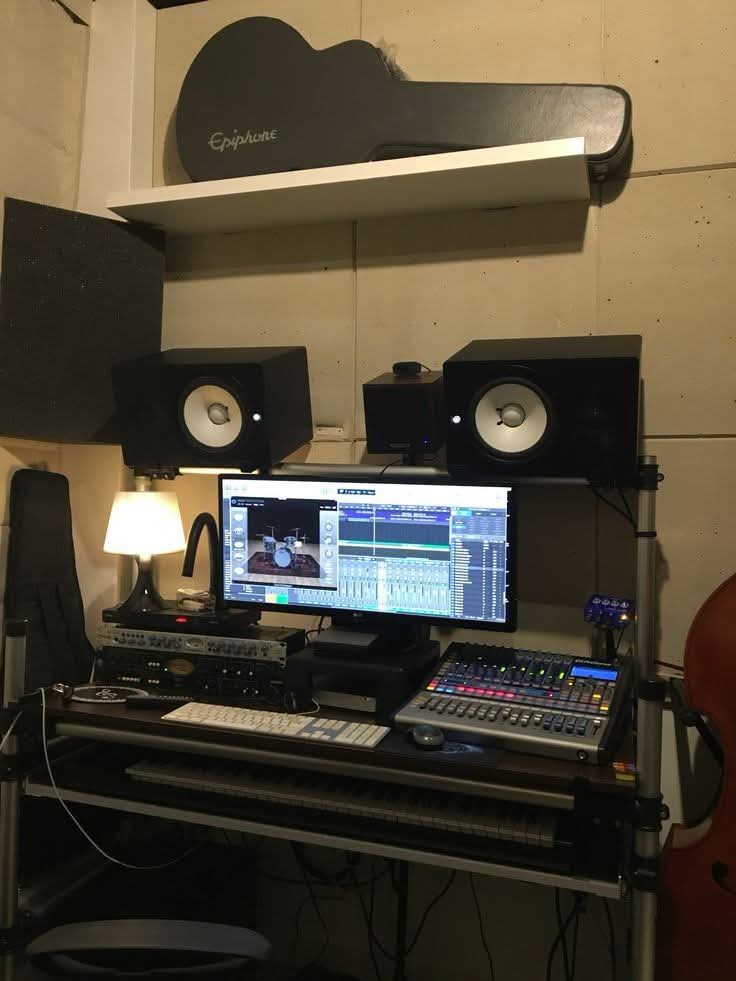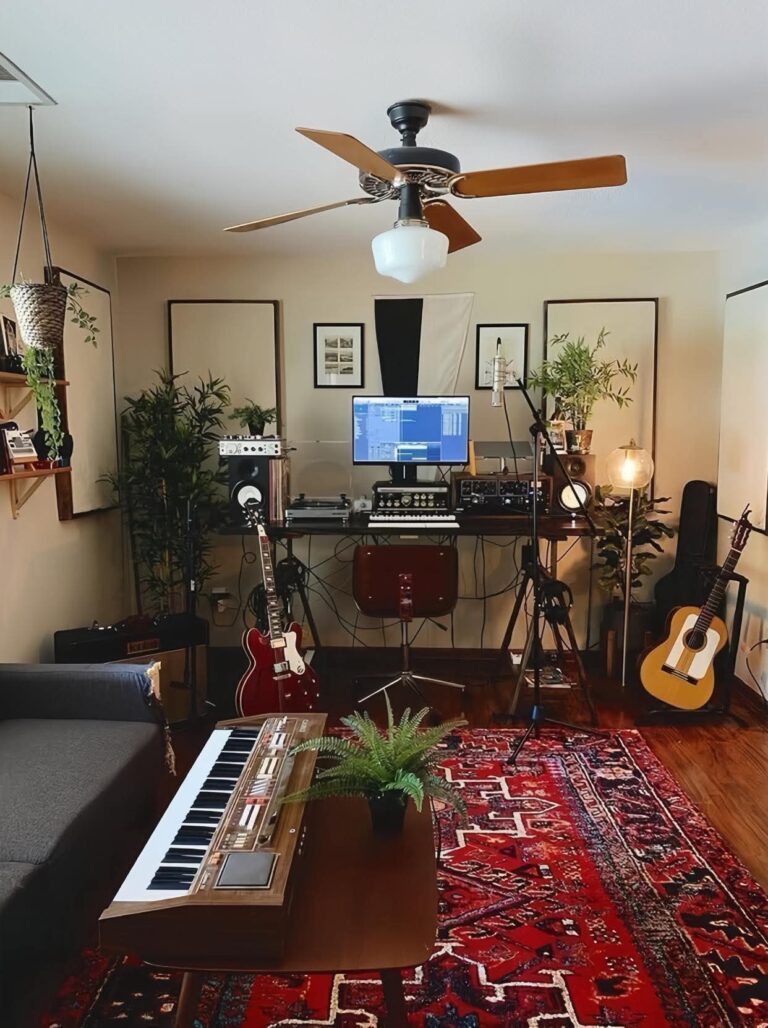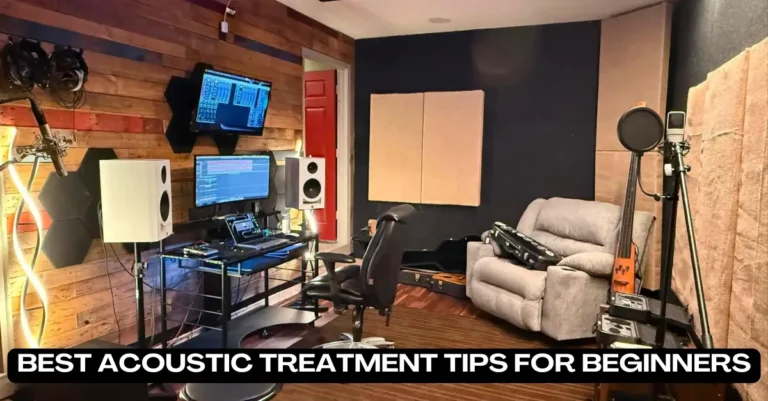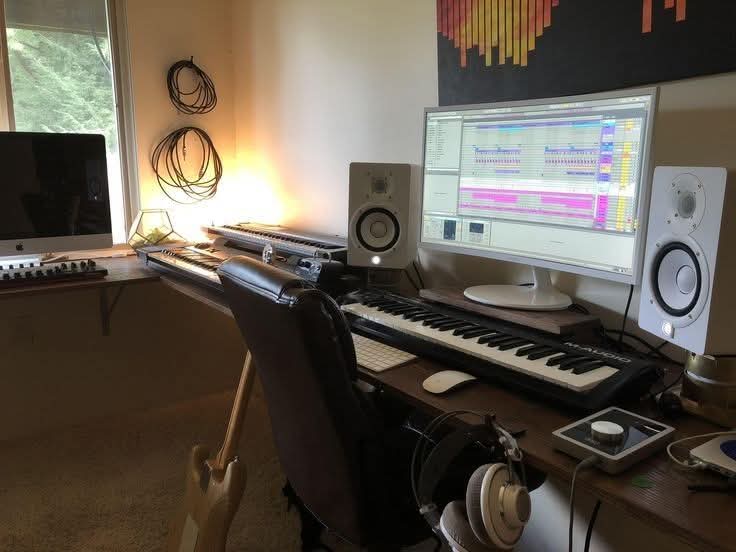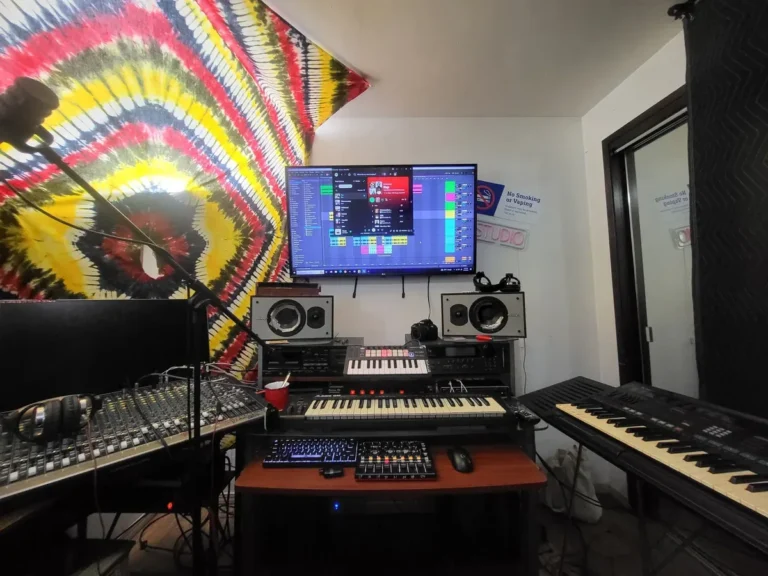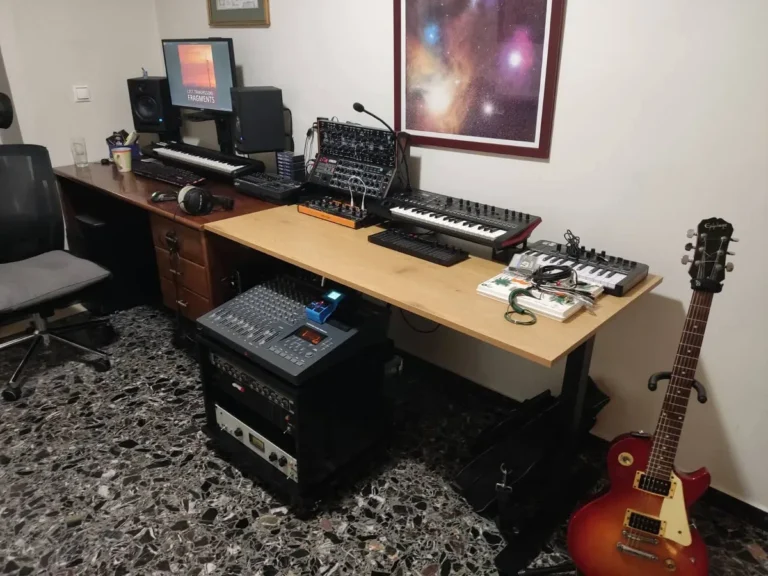

Your space affects how a tracking session actually goes, not just how it looks in a photo.
A lighting setup that matches the mood of a track can mean the difference between forcing a vocal take and nailing it on the first try.
This is for anyone who wants their home setup to feel as deep as the music sounds.
Lets check them out.
Dreamy glow for late night recording sessions
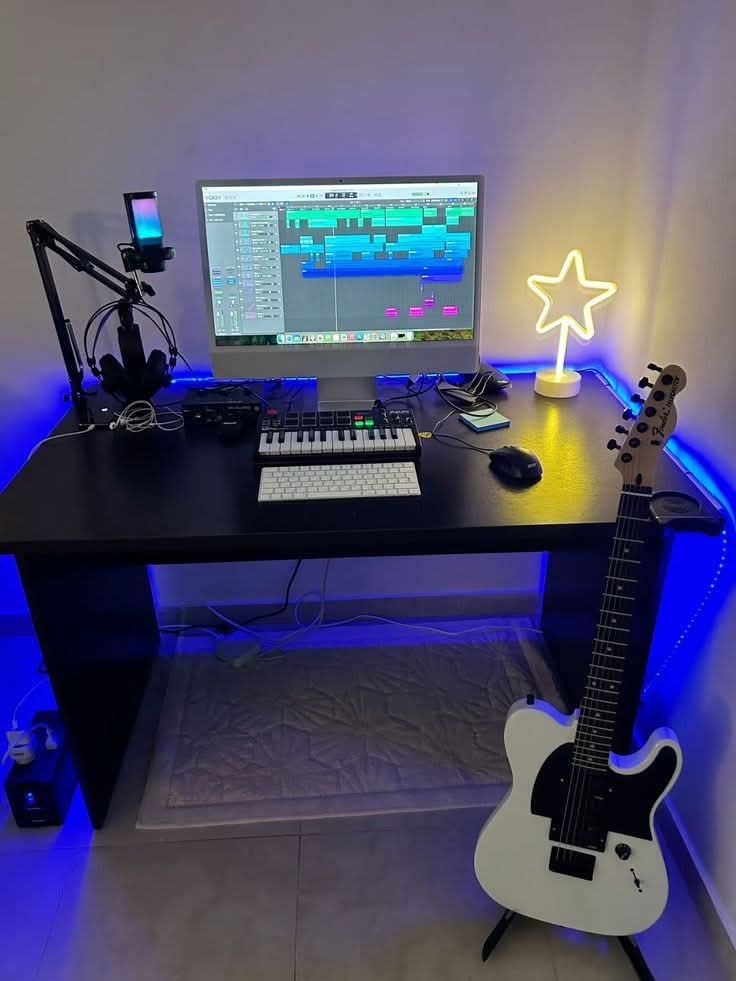
Some of the best vocal takes happen after midnight when nobody else in the house is awake to hear the rough drafts. A clinical white room kills that creative energy fast.
Soft colored light keeps your focus sharp without making the moment feel like an interrogation.
Studio aesthetic for songwriting nights
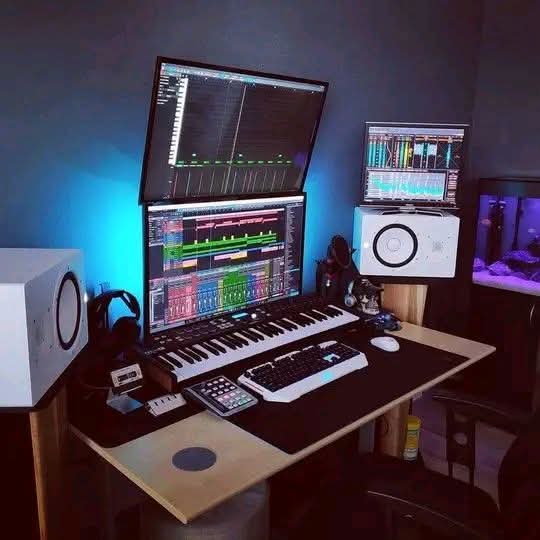
This combination splits the difference between soft moodiness and creative energy. It works perfectly for slower writing sessions where you are chasing a feeling rather than a finished mix.
You get a space that feels completely personal. It responds directly to whatever emotion you are trying to capture in the DAW that night.
Cozy LED room for small apartment studios
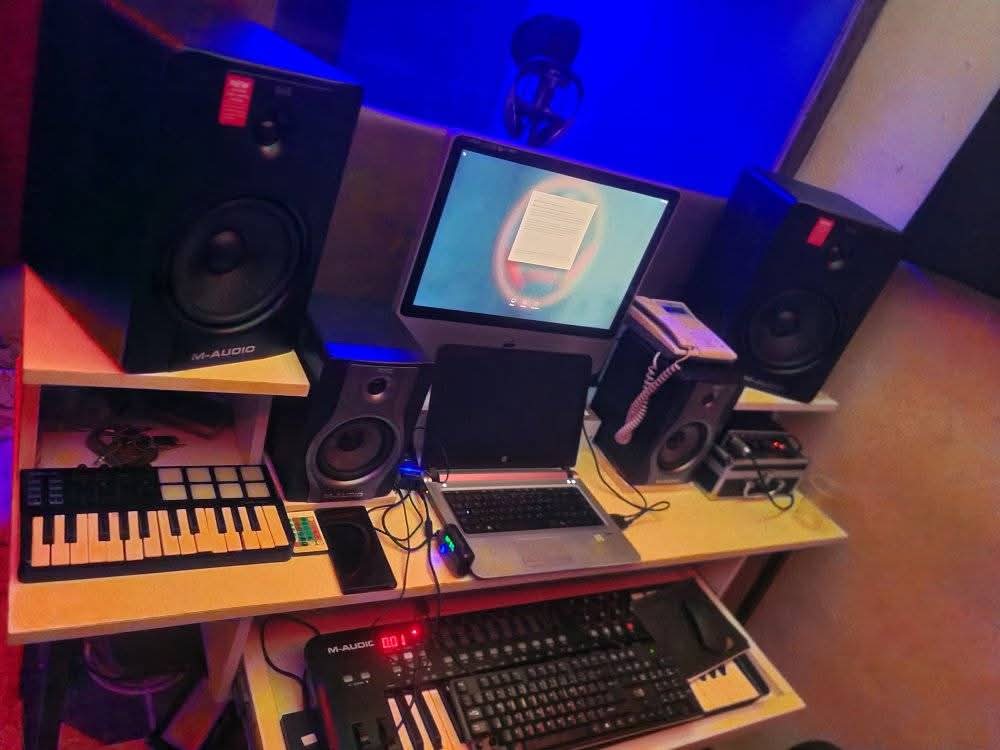
Most home studios start in a spare bedroom or a tight corner that was never built for tracking music.
A few smart lights solve that problem completely, changing the whole room mood at the flip of a switch without ruining a rental deposit.
Soft glow setup for vocal booth corners
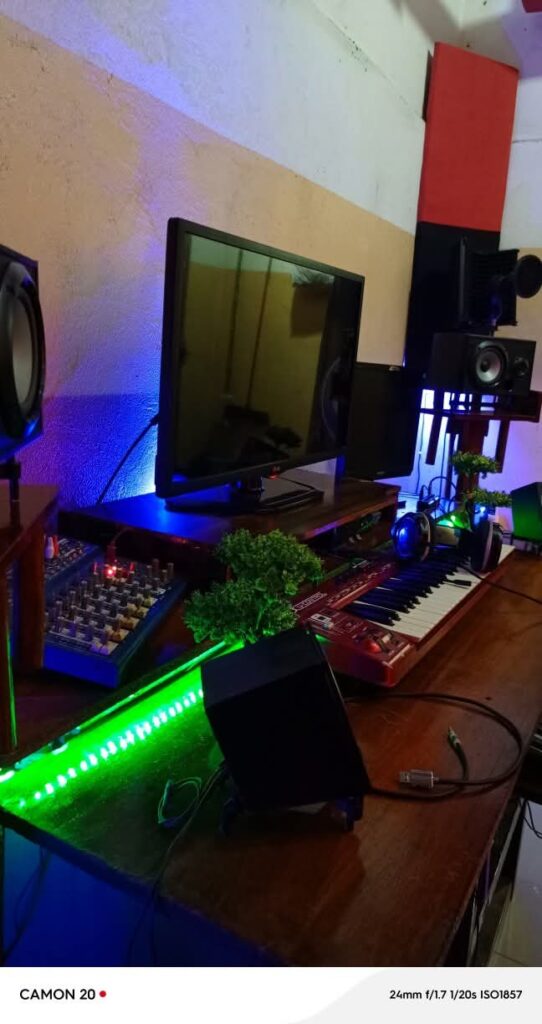
Plenty of producers record vocals in an untreated closet or under a makeshift blanket fort before they ever get a dedicated room. Adding a gentle wash of light makes that small corner feel like an intentional workspace instead of a cramped hiding spot.
It immediately helps a singer get out of their head and focus entirely on the performance.
Calming light room for mixing sessions
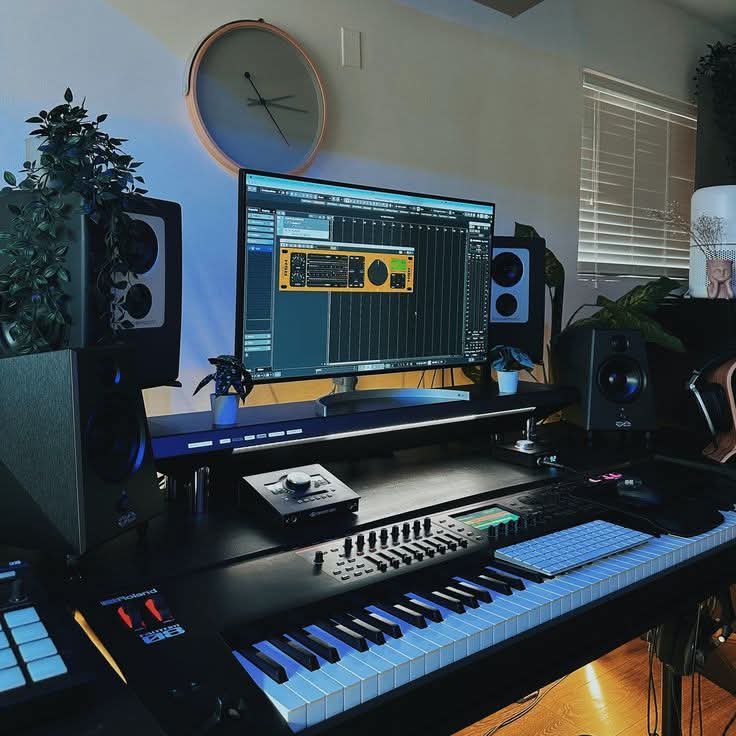
Mixing asks for a completely different kind of mental focus than tracking or writing does. You are sitting still for hours listening for tiny balance issues.
A harsh, bright room wears your eyes out quickly. Cooler tones settle the brain down. This keeps you analytical during long stretches at the monitors.
Warm accents for acoustic tracking
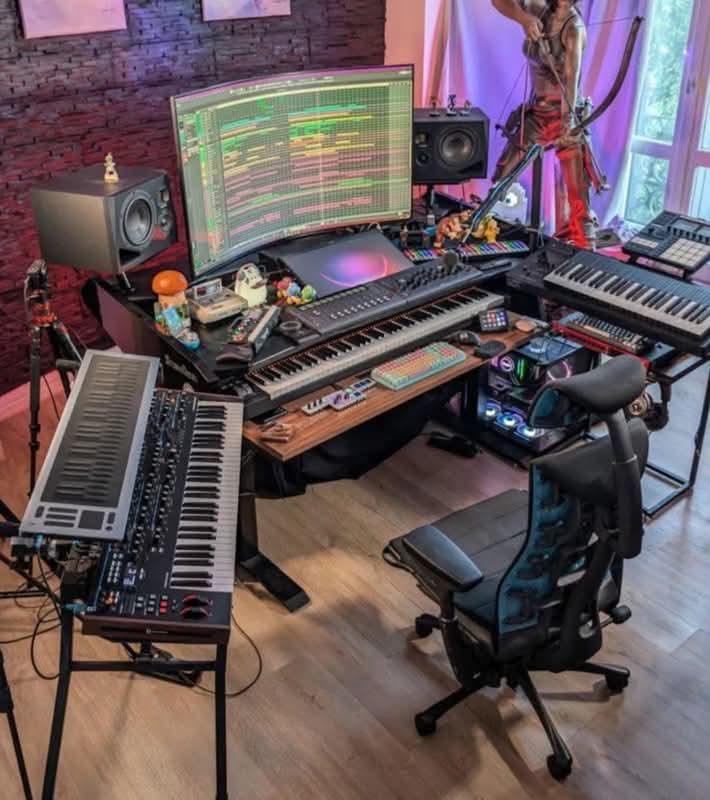
A bright space makes acoustic instruments sound harsh before you even plug in a microphone. Soft, warm tones mimic the feel of an old tracking room, helping you focus on the wood and strings.
This setup suits musicians who need a calm, grounding space to capture clean takes without extra digital noise.
Moody vibes for late night beat making
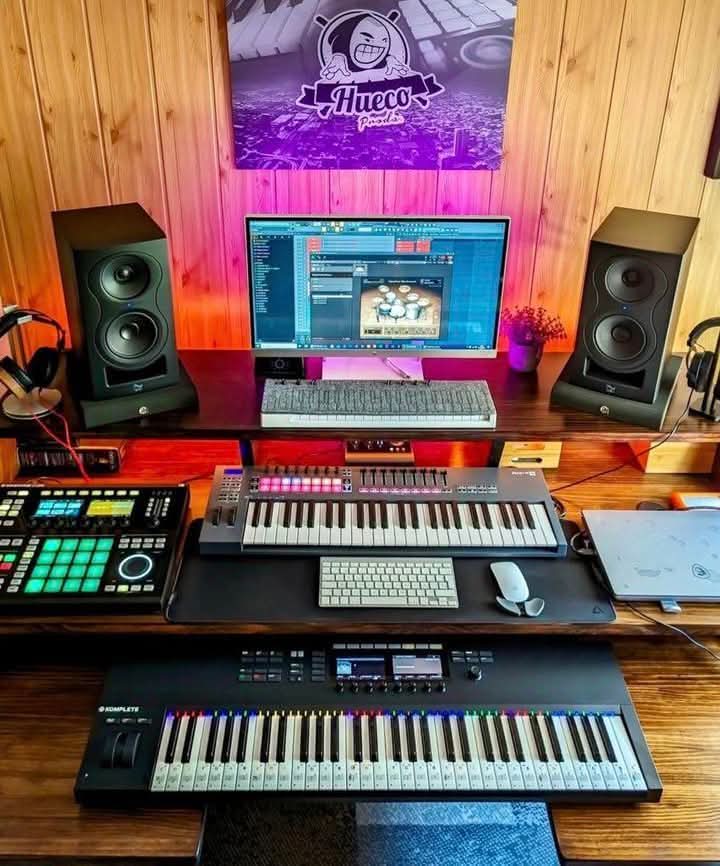
When you are programming drums at 2 AM, standard room lighting feels completely counterproductive. A deep purple wash cuts the glare from your monitor while keeping the room dark enough to lose track of time. It changes the atmosphere completely, letting you focus entirely on the groove without feeling like you are sitting at an office desk.
Subdued lighting for sound design marathons
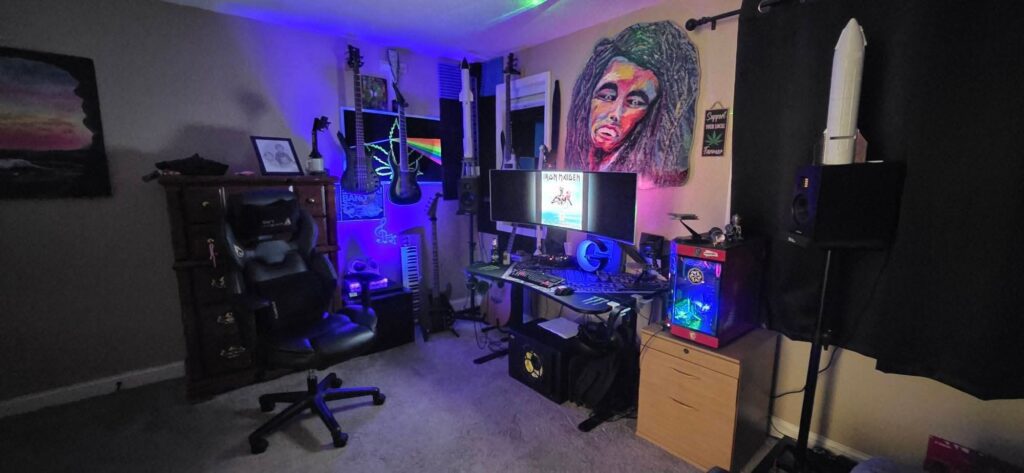
Tweaking synthesizer patches for hours demands intense, quiet concentration. Green light keeps the room feeling calm and low key, which stops your eyes from fatiguing during deep menu diving.
It works well for electronic musicians who need to stay in the zone without getting overwhelmed by bright setups.
Low key ambient backlighting for synth walls
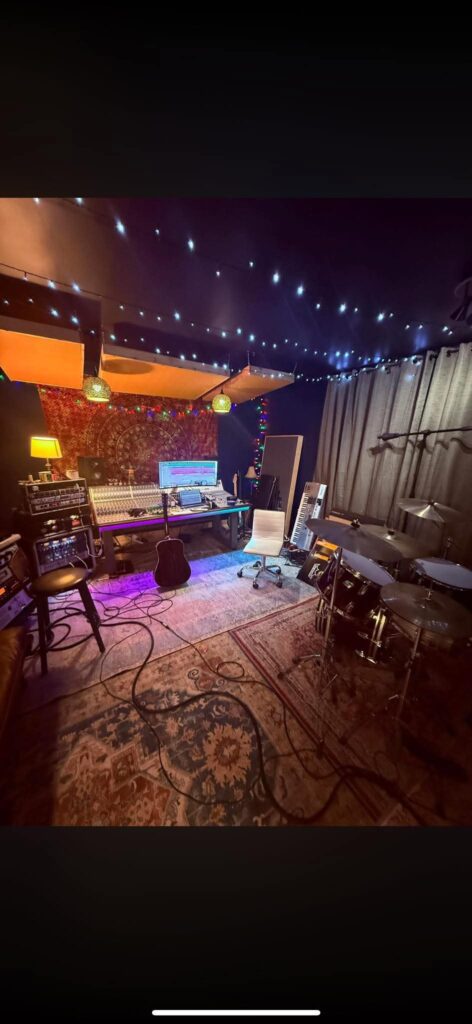
If your gear sits against a dark wall, it is easy to find yourself squinting at knobs and patch points. A soft, indirect glow behind your rack gear provides just enough contrast to see what you are doing without breaking the mood of the room.
This works perfectly for setups where you want the instruments to be visible but not blinding.
Deep glow for heavy tracking sessions
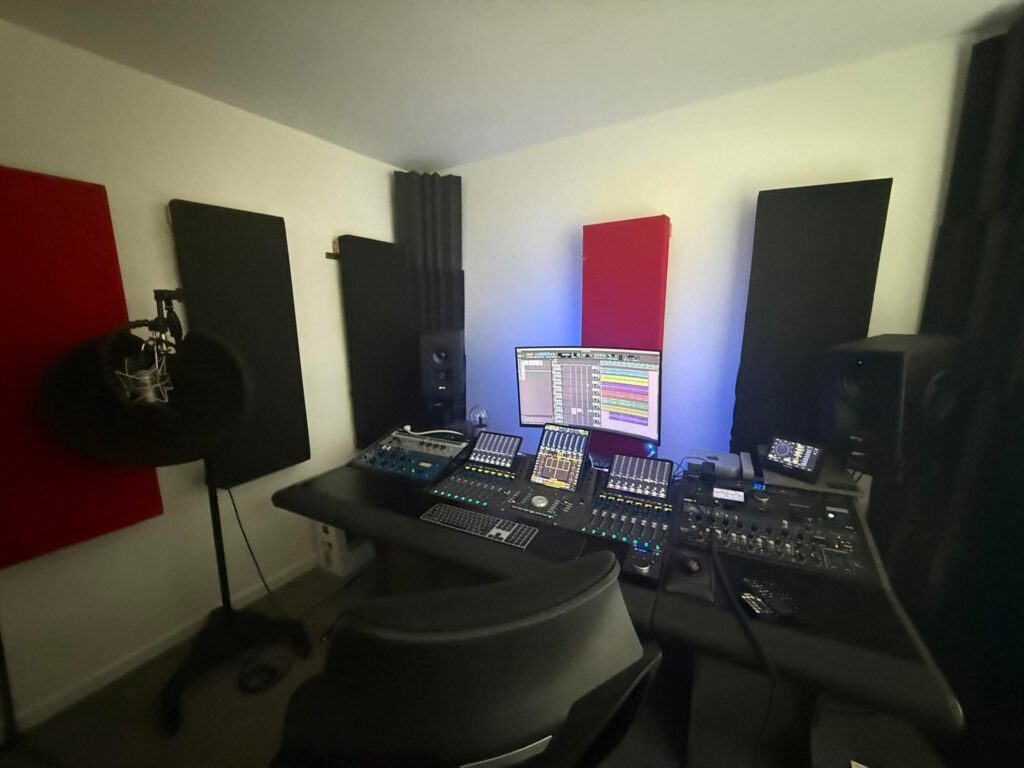
High energy tracks require a room that matches that intensity. A heavy red wash brings an aggressive, focused energy to the space that helps a band or a solo artist tap into the right mindset for aggressive takes.
It is exactly what you need when the music demands a raw, high impact performance.
Dim wash for intimate vocal sessions
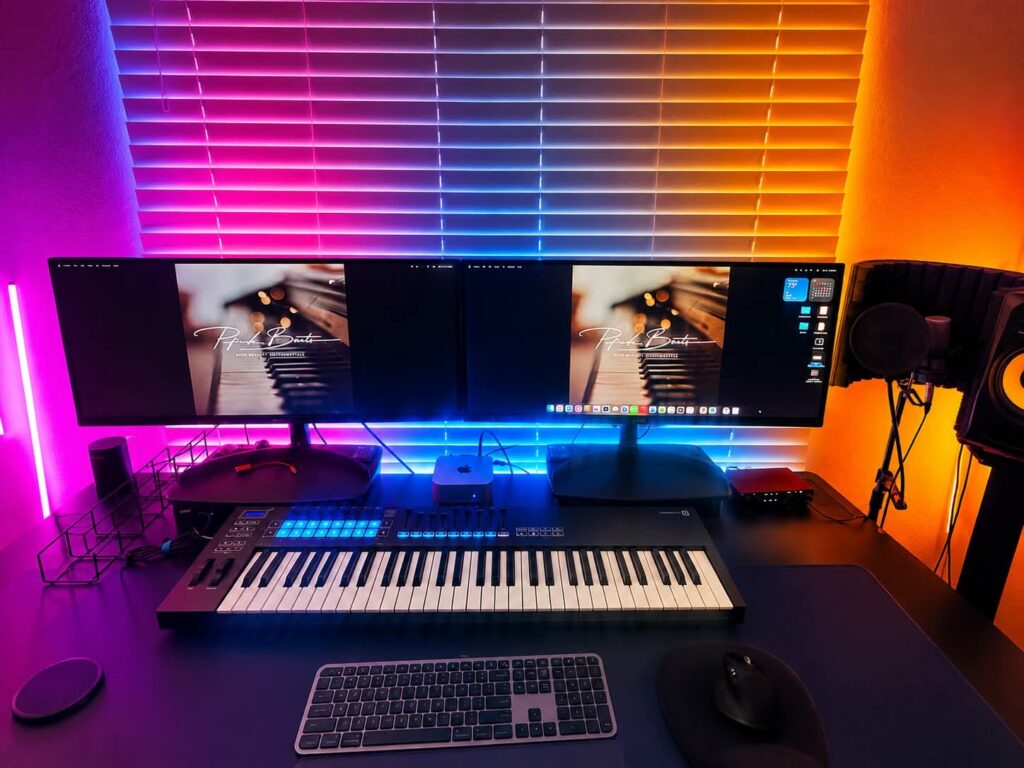
Close-up mic work often requires a complete shift in environment to make a singer feel comfortable. A low, amber glow takes the edge off a sterile tracking space, creating a private environment that feels more like a late night club than a studio.
It works wonders for capturing those quiet, conversational vocal takes where any tension in the room shows up directly in the track.
Restful backlighting for long editing sessions
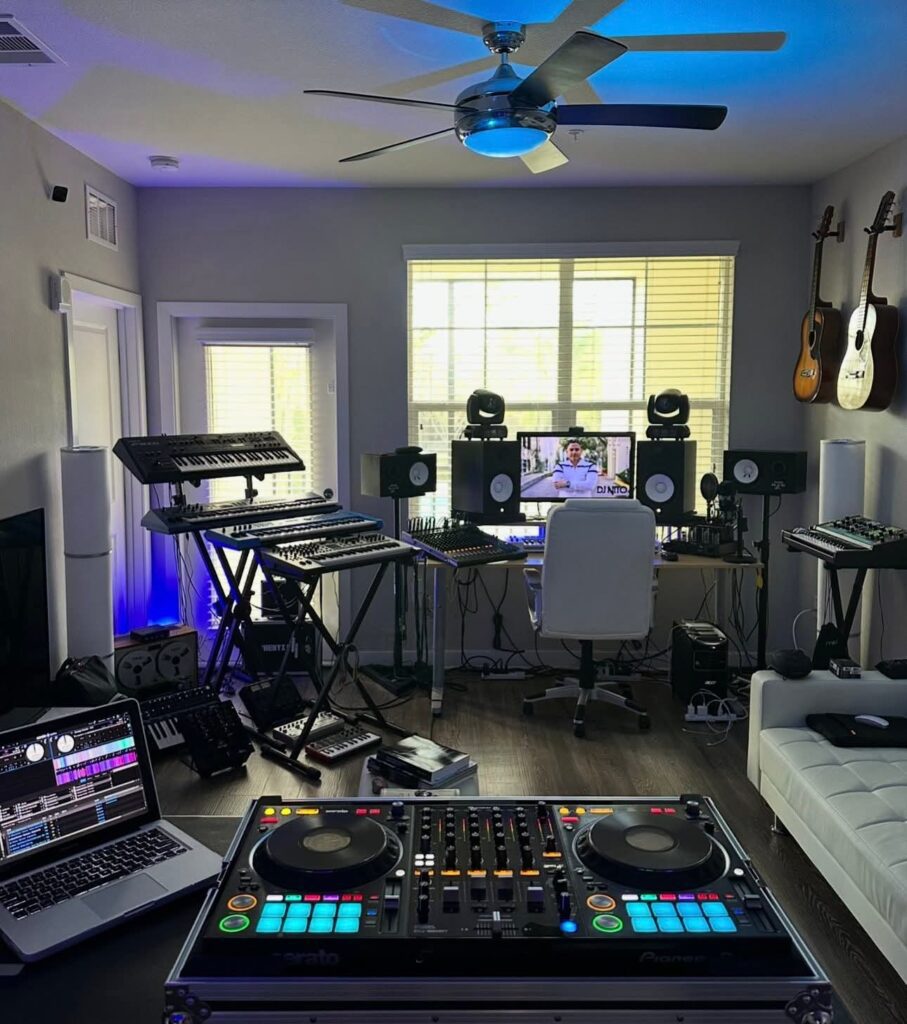
Comping vocals and cleaning up audio files is tedious work that ties you to a screen for hours. A soft turquoise backlight softens the harsh contrast of your monitor, reducing eye strain while keeping you awake.
This suits producers who have to spend their Sunday afternoons aligning waveforms and slicing audio loops.
Sunset tones for creative jamming
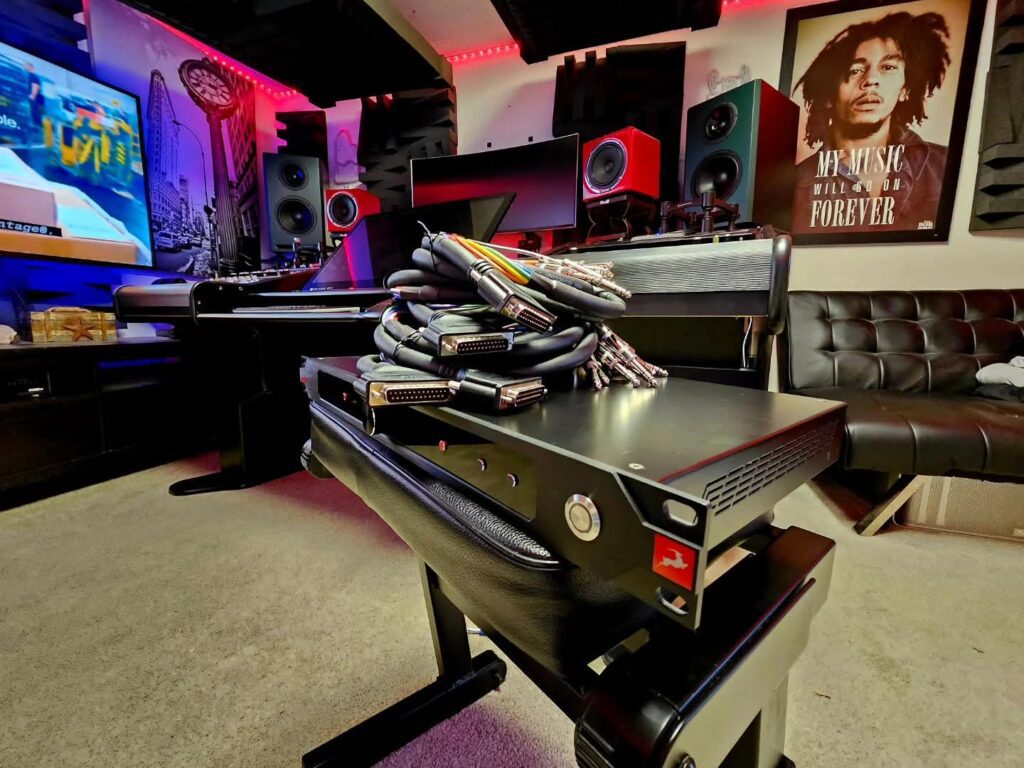
When you are just playing chords and looking for an initial idea, you want the room to feel warm and inviting.
Shifting the space into a deep sunset orange hue removes the pressure of a formal recording session, making it feel like a casual rehearsal space instead. It is a great backdrop for breaking out of a creative rut when you are tired of staring at empty project templates.
Subtle glow for Music control rooms
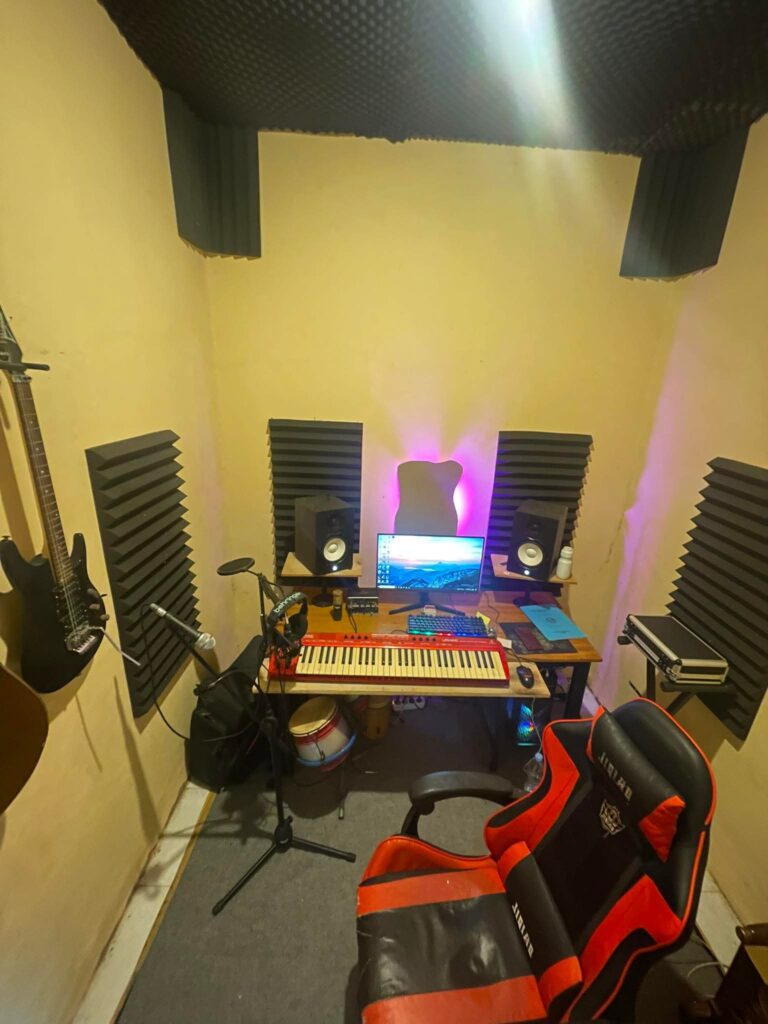
Keeping your desk completely dark helps you focus on the audio image, but walking around in pitch black is a safety hazard for cables and stands.
A minimal, floor level light path gives you enough visibility to move around the room safely without spilling any unwanted glare onto your mixing position. This works perfectly for media rooms that double as mixing suites.
Energetic accents for electronic pop production
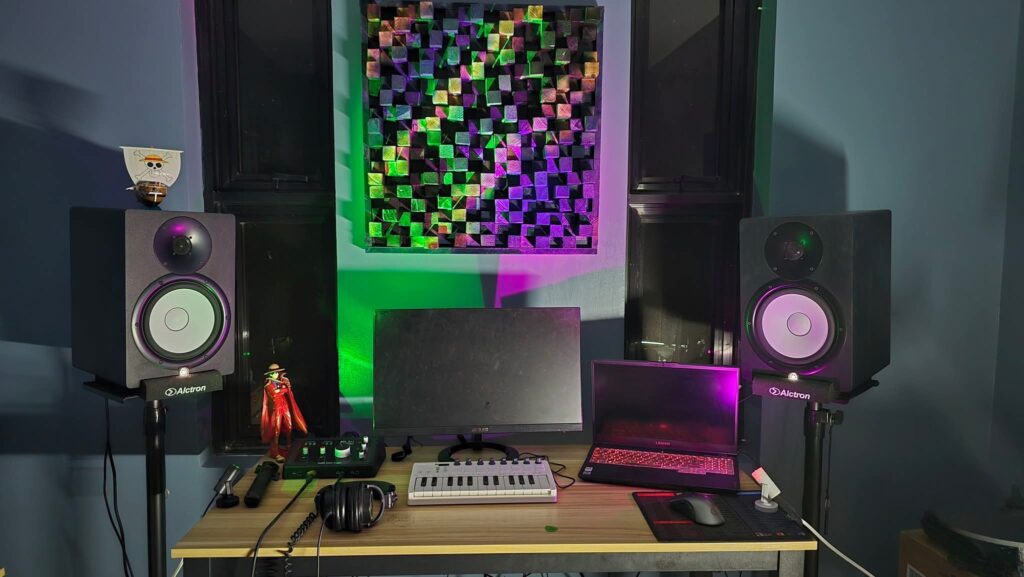
Upbeat tracks need a workspace that keeps your energy levels high during long programming sessions. A bright pop of magenta injects immediate life into a dull room, helping you stay in an optimistic mindset while building hooks.
It matches the fast-paced nature of modern electronic arrangement perfectly.
Hidden shelf glow for clean desktop setups
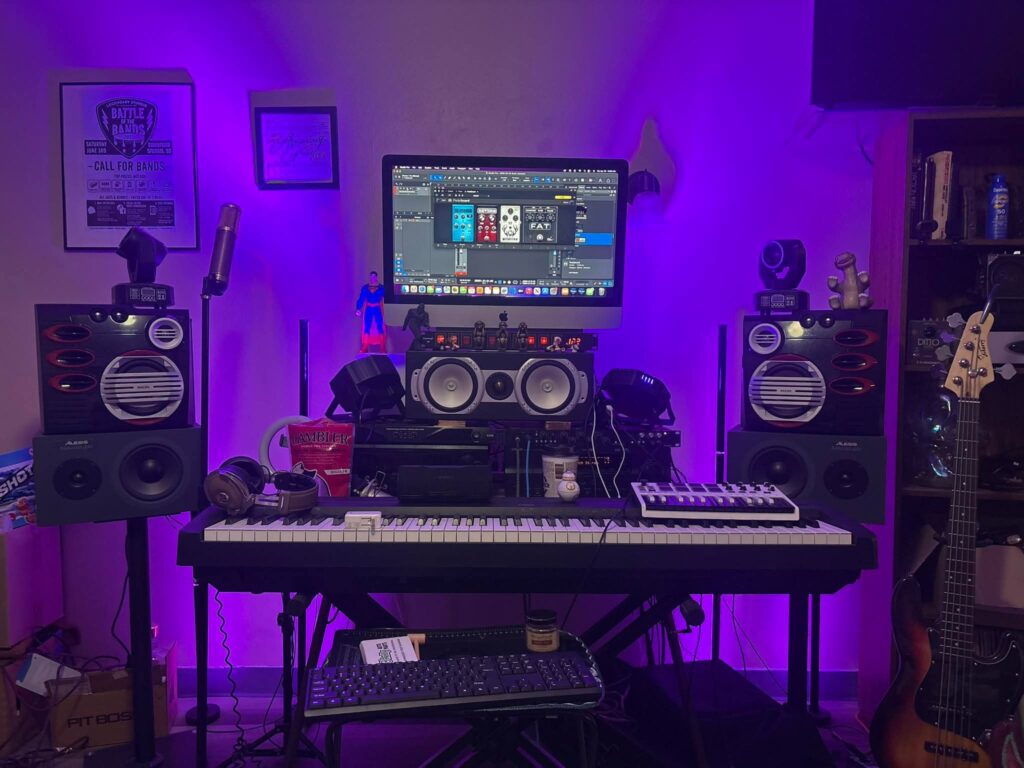
If you prefer a minimalist workspace with minimal distractions, direct lighting can feel like clutter. Tucking a soft light strip completely out of sight under a monitor shelf or desk lip gives you a clean wash of color without exposing the actual light source.
This keeps the physical production space looking tidy while still offering a moody vibe.
Muted light for cinematic scoring
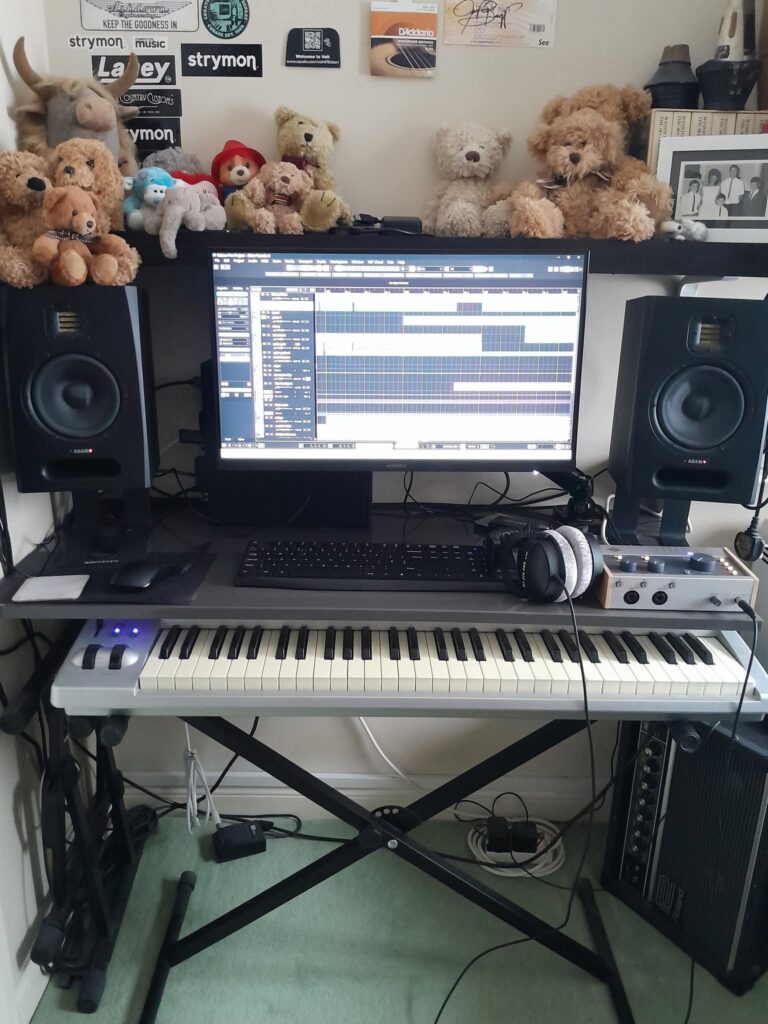
Writing music for film or games requires a space that lets you get lost in a story.
A deep indigo atmosphere creates a theater-like environment, shifting your focus entirely toward the emotional weight of the project.
It sets the perfect tone for building heavy orchestration or deep, atmospheric textures.
Diffused glow for daytime editing
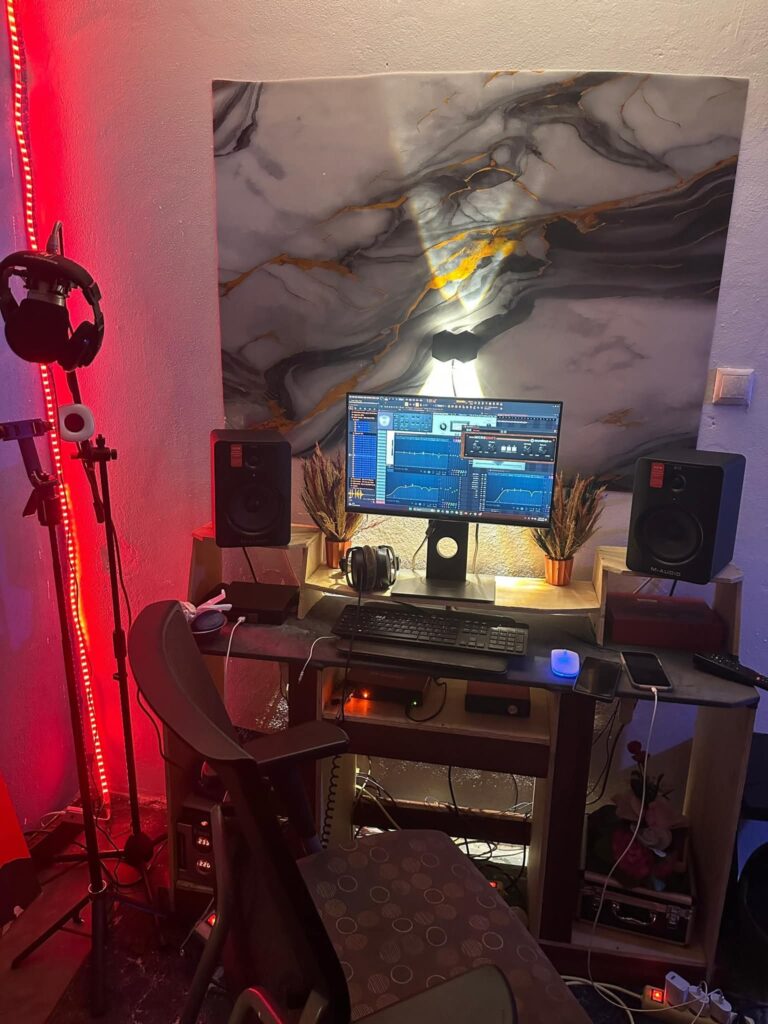
Not every studio session happens in the middle of the night, but natural window light changes constantly and ruins your screen consistency.
A neutral, diffused white glow mimics a clean overcast day, giving you steady, predictable visibility for precision tasks like video editing or fine-tuning plugin parameters.
It keeps the room looking professional and bright without causing glare.
Rich shades for virtual instrument tracking
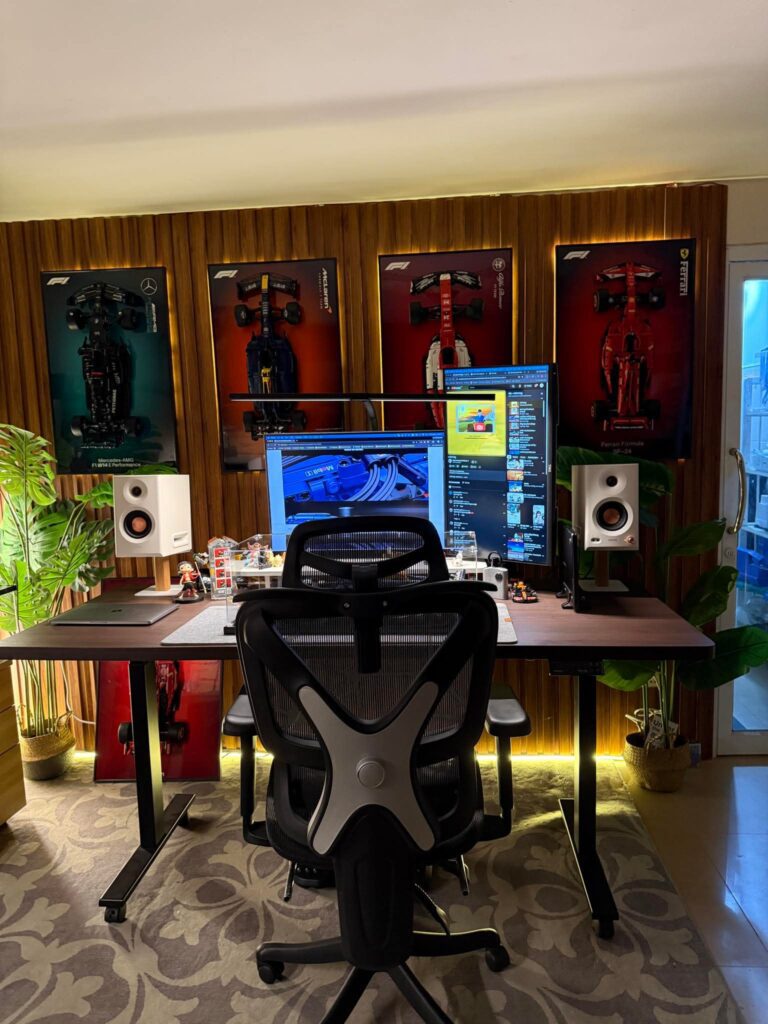
Sifting through thousands of sample libraries can feel incredibly mechanical and dry.
A rich violet backdrop changes the aesthetic texture of the room, making the process of auditioning string patches or synth pads feel much more inspiring.
This suits composers who spend most of their time working completely inside the box with a MIDI controller.
Pro Tip: Visual aesthetics shouldn’t compromise sound. Always make sure your studio monitors are placed at ear-level and form an equilateral triangle with your listening position, regardless of the room’s decor.
Soft backlighting for guitar tracking
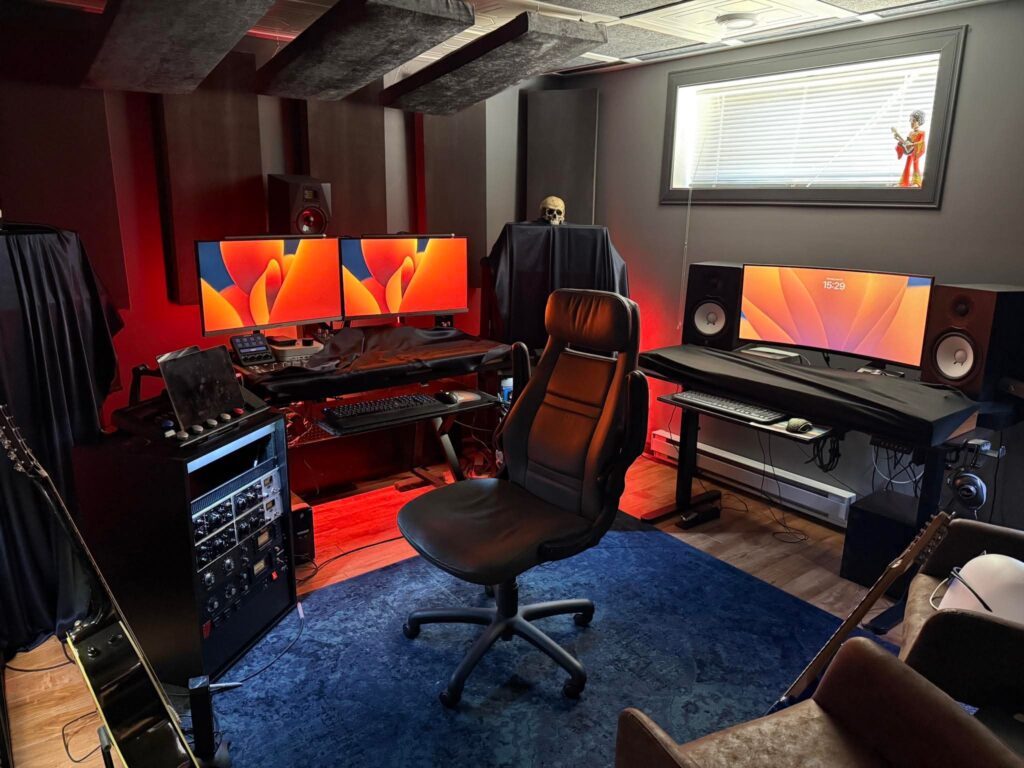
Dialing in the perfect guitar tone takes time, whether you are miking a real amplifier or tweaking a software simulation.
A soft emerald glow creates a grounded, relaxing atmosphere that helps you focus on your playing technique rather than the technical settings.
It keeps the vibe relaxed so you can play through multiple takes without getting frustrated.
Minimalist halo for high focus mastering
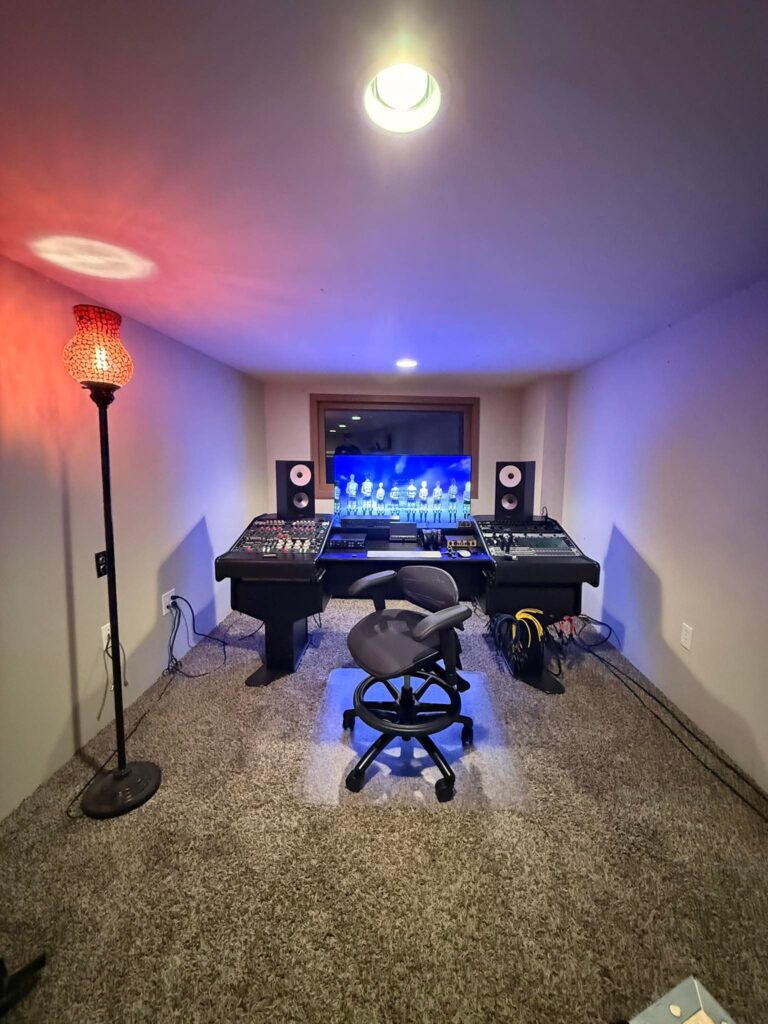
The final stage of production requires absolute clarity and zero distractions from the physical room.
A crisp, white halo behind your main monitors offers clean contrast without shifting your perception of the space or influencing your mood with heavy colors.
This setup is for the final, critical listening phase where you need to make objective decisions about EQ and translation.
Shadowy borders for underground rap sessions
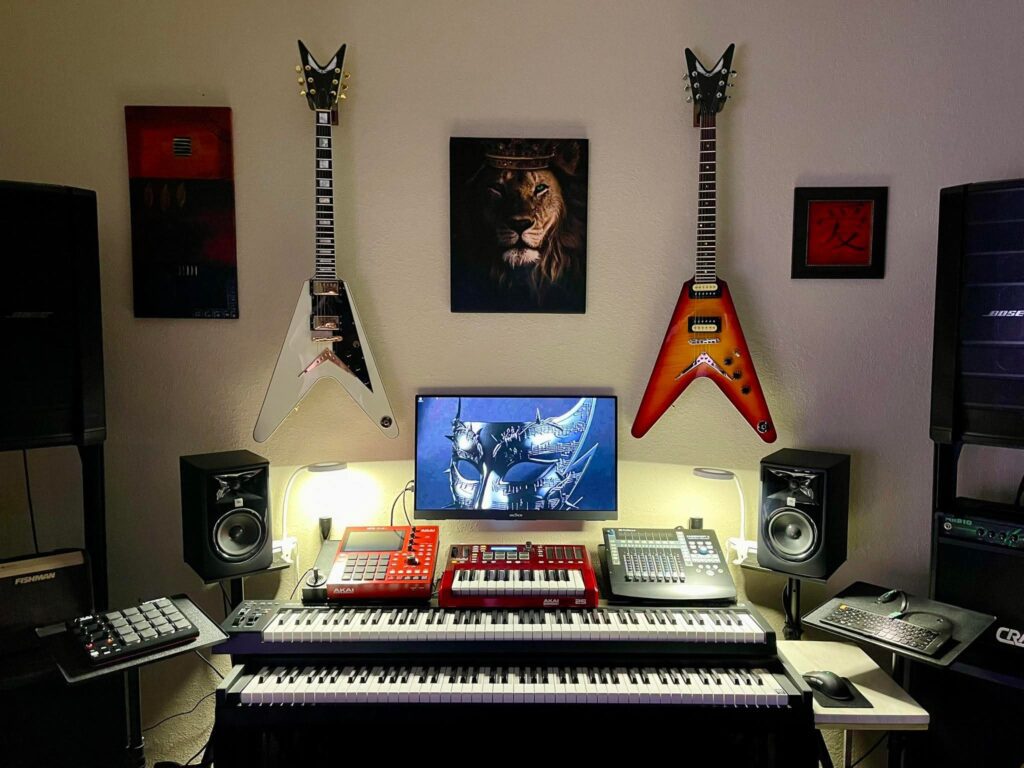
Capturing a gritty, raw performance means escaping the feeling of a polished commercial studio.
A dark room bordered by deep crimson lighting sets a private, intense mood that helps an artist lock into a heavy flow. It makes the tracking space feel exclusive and locked down from the outside world.
Warm glow for folk and indie arrangements
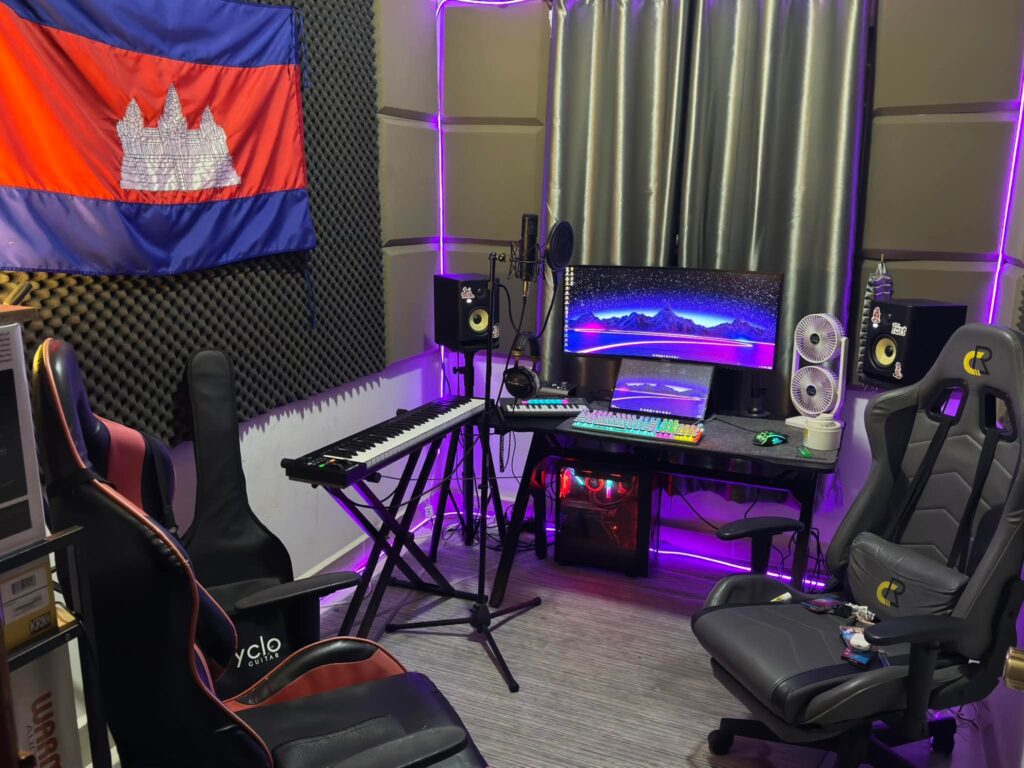
Acoustic, organic music often feels mismatched in a neon-lit, futuristic-looking space. Shifting the room to a warm, copper tone honors the organic nature of acoustic instruments and singer-songwriter projects.
It creates an environment that feels hand-built and close-knit, matching the vulnerability of the music.
👉 Read Next: Looking for more inspiration? Check out our guide on Cozy Home Studio Designs for Late Night Sessions.
Gentle wash for sound healing and ambient music
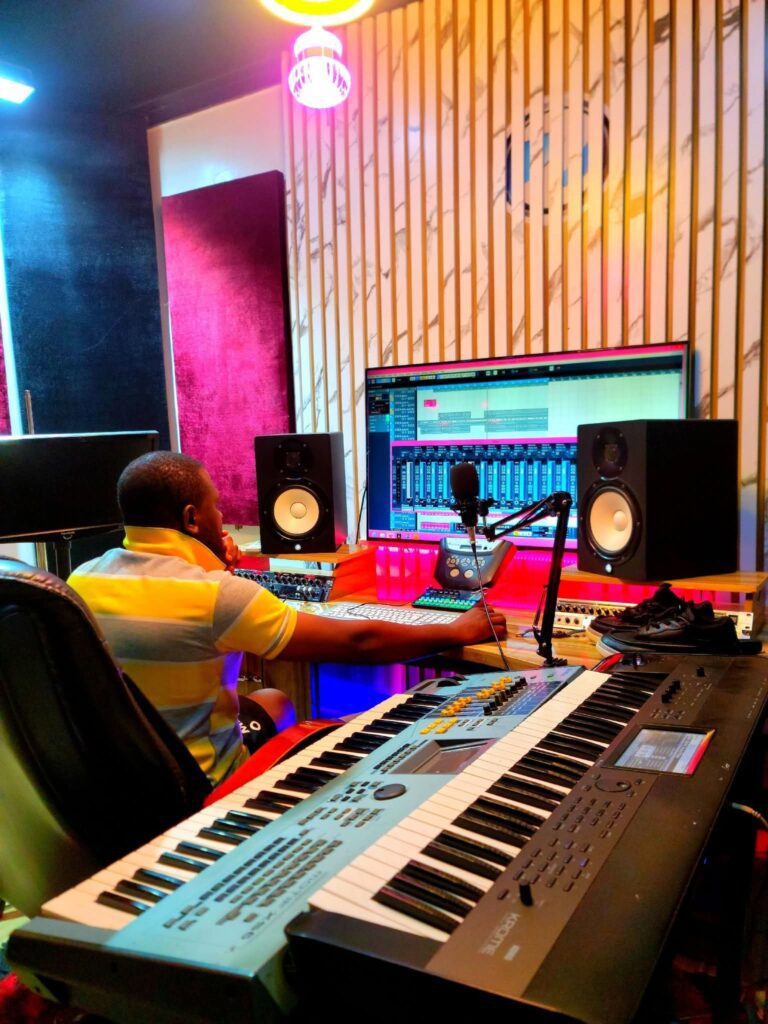
Creating drone soundscapes or ambient textures requires a space that promotes complete stillness. A pale lavender light softens the entire room, lowering the overall tension and encouraging a meditative workflow.
This suits sound designers who need to slow their own heart rate down to match the pace of the music they are making.
Matrix accents for modular synth patching
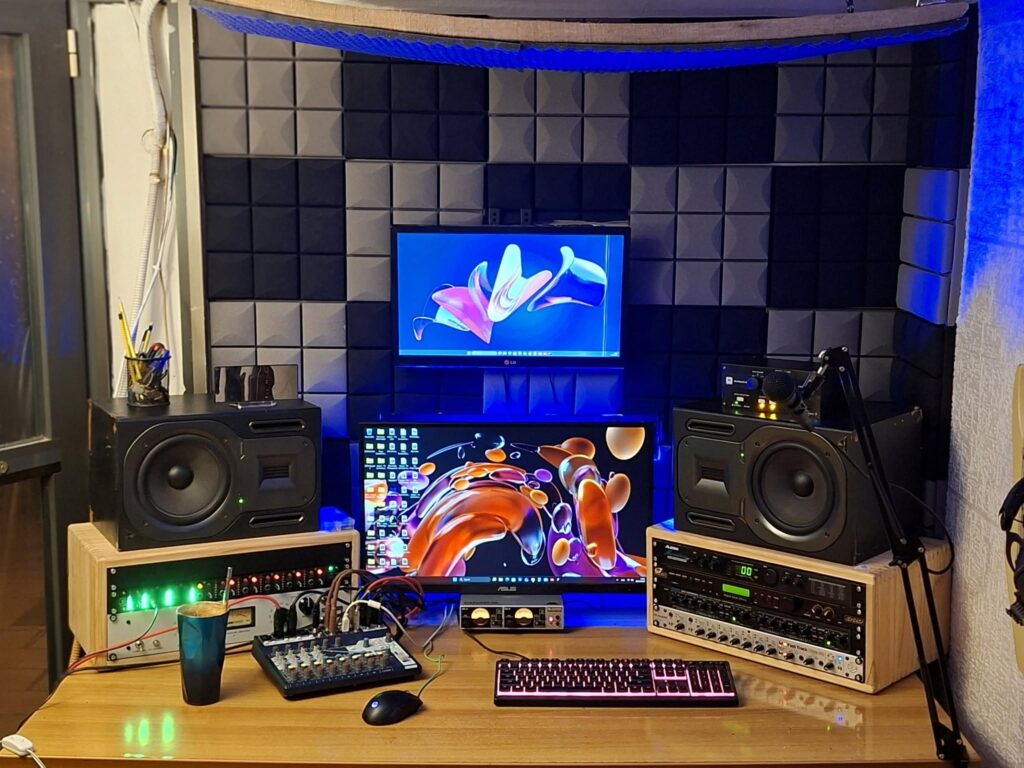
Plugging patch cables into a massive wall of hardware requires a specific type of mechanical focus. A sharp, green accent scheme leans into the analog tech vibe, turning the studio into a dedicated playground for hardware manipulation.
It adds an extra layer of enjoyment when you are exploring unpredictable generative patches.
In closing
The way you light a home studio isn’t just about making the space look good for social media or showing off to your friends.
A single color shift can completely alter your mental focus, turning a sterile bedroom into an environment where you actually want to spend six hours tracking vocals or mixing a song.
Pick a setup that matches your specific workflow, dial in the color, and get back to finishing your tracks.