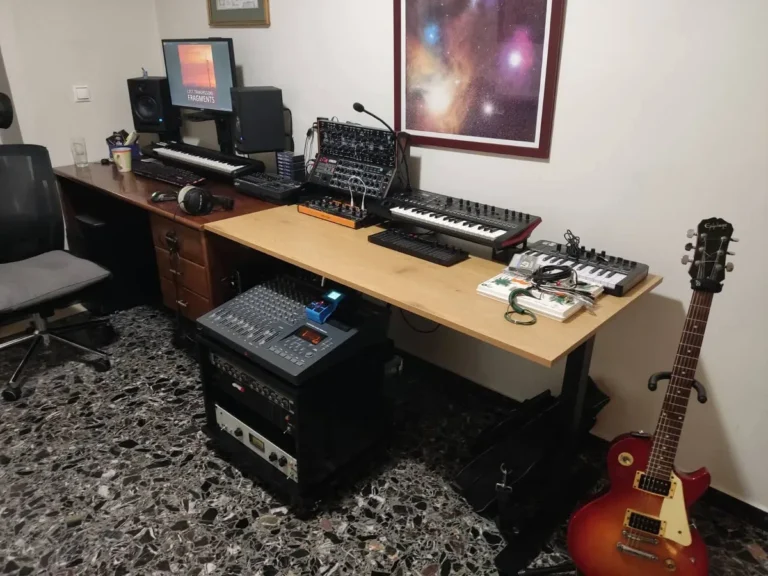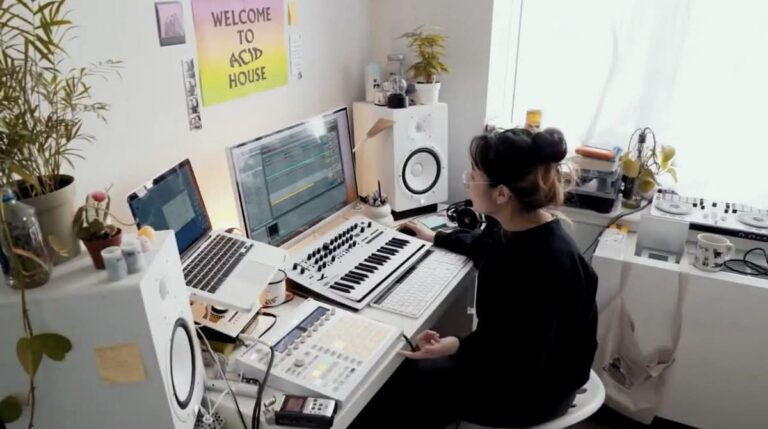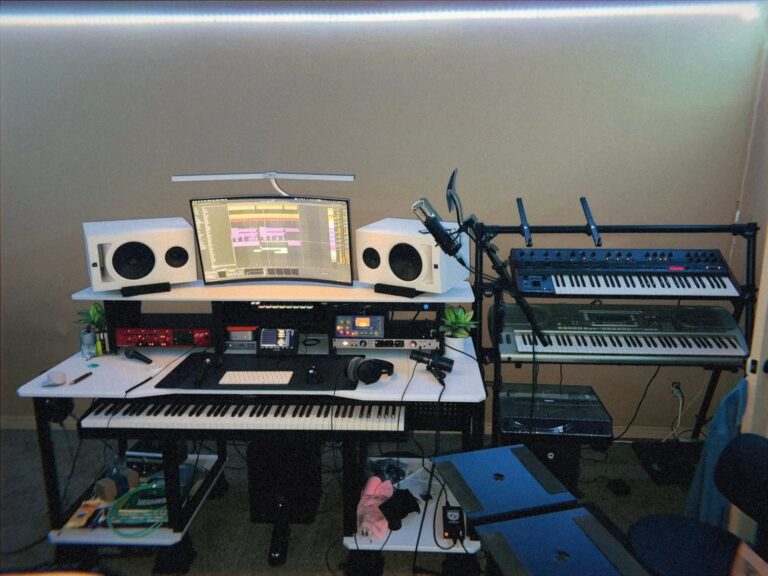

Working with slanted ceilings in an attic studio sounds like a limitation until you realize how many producers have turned that exact constraint into something that works in their favor.
The angles that make furniture placement tricky also tend to create a natural acoustic character that flat-ceiling rooms don’t have.
If you’ve got an attic and you’re wondering whether it’s worth converting, the answer is almost always yes.
Attic Music Studio Ideas with Slanted Ceilings
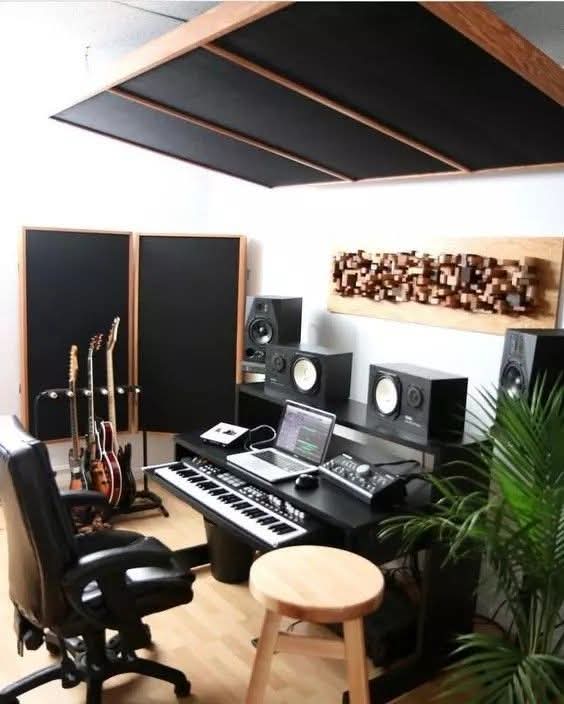
Attic studios come with a built-in personality that ground-floor rooms have to work hard to achieve. The angles change how sound moves around the space, and once you learn to work with that rather than against it, the results tend to surprise people.
This is a good starting point if you’re trying to figure out what’s actually possible up there.
Creative Home Recording Space Under the Eaves
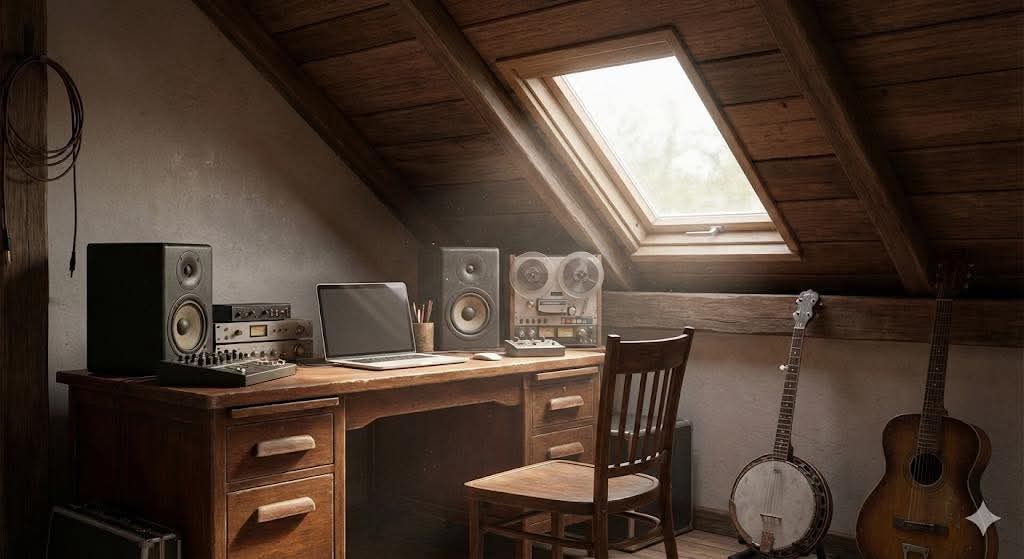
Recording under the eaves suits a certain kind of producer, someone who likes feeling tucked away from the rest of the house. The low points of the ceiling aren’t dead space; they’re opportunities to work with the room rather than wish it were different.
Plenty of people have built genuinely functional setups in spaces that looked unpromising on paper.
Angled Ceiling Studio Layout That Actually Works
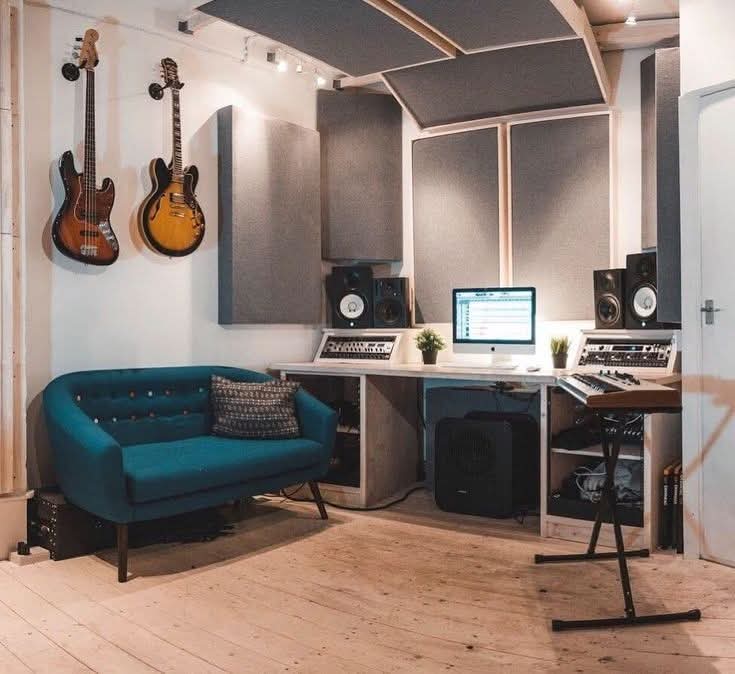
The layout question in an attic studio is less about where to put things and more about accepting that the room is going to dictate certain decisions for you.
Angled ceilings create natural zones that can actually help you organize a space without much planning. Once you stop fighting the angles, a layout tends to emerge on its own.
Loft Recording Room with Low Sloped Ceiling
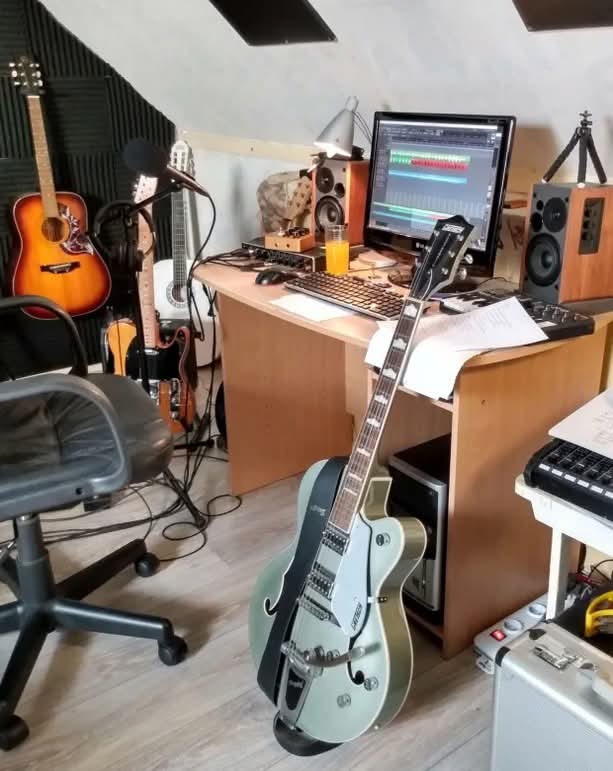
Low ceilings change the way a room feels to record in, and not always in a bad way.
A loft recording room with a sloped ceiling tends to feel more enclosed and focused than a standard room, which suits solo producers who need to get into a headspace quickly.
The intimacy is part of what makes these spaces work.
Attic Music Room Setup for Slanted Ceiling Spaces
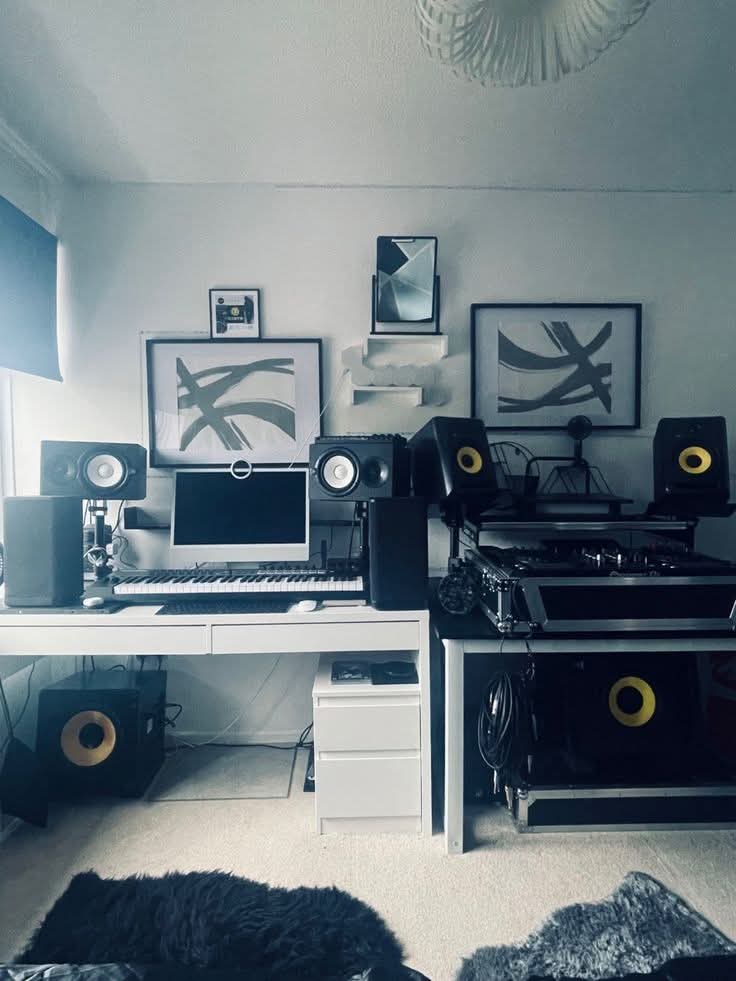
Setting up a music room in a slanted ceiling space takes some thought, but it’s rarely as difficult as it looks before you start.
Most producers find that the space has more usable area than they expected once they approach it on its own terms.
If you’ve been putting off the conversion because the layout seems complicated, this might change your thinking.
Home Studio in the Attic for Producers Working with Low Ceilings
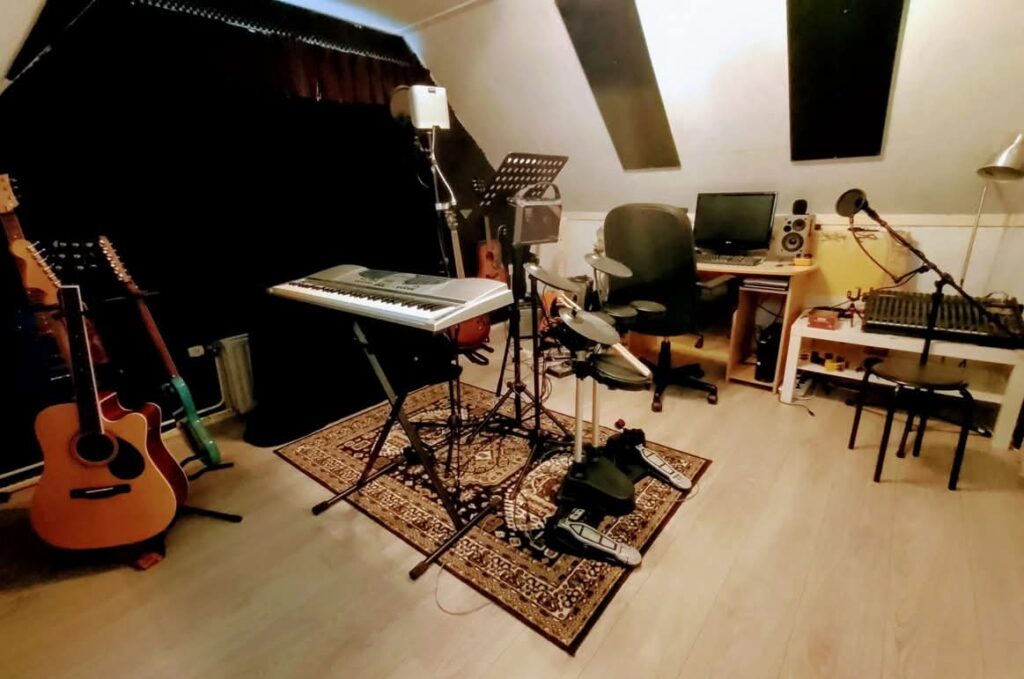
Not every attic gives you room to stand up in the middle, and that’s fine. Plenty of working producers have built setups that fit the space rather than demanding the space fit them.
A home studio in the attic rewards the kind of producer who solves problems rather than waiting for ideal conditions.
Converted Attic Recording Space with Pitched Roof
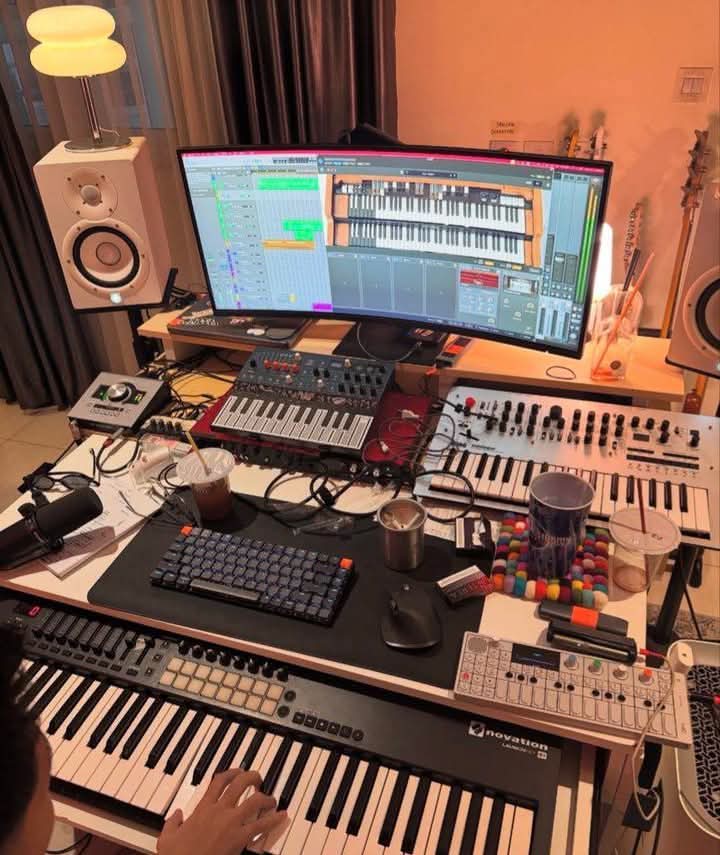
Converting an attic into a recording space is one of those projects that sounds bigger than it is once you get into it.
The pitched roof creates a natural focal point in the room, and a lot of producers use that to anchor their main working position. If you’ve got unused attic space, this is worth taking seriously.
Sloped Ceiling Music Room That Makes the Most of the Space
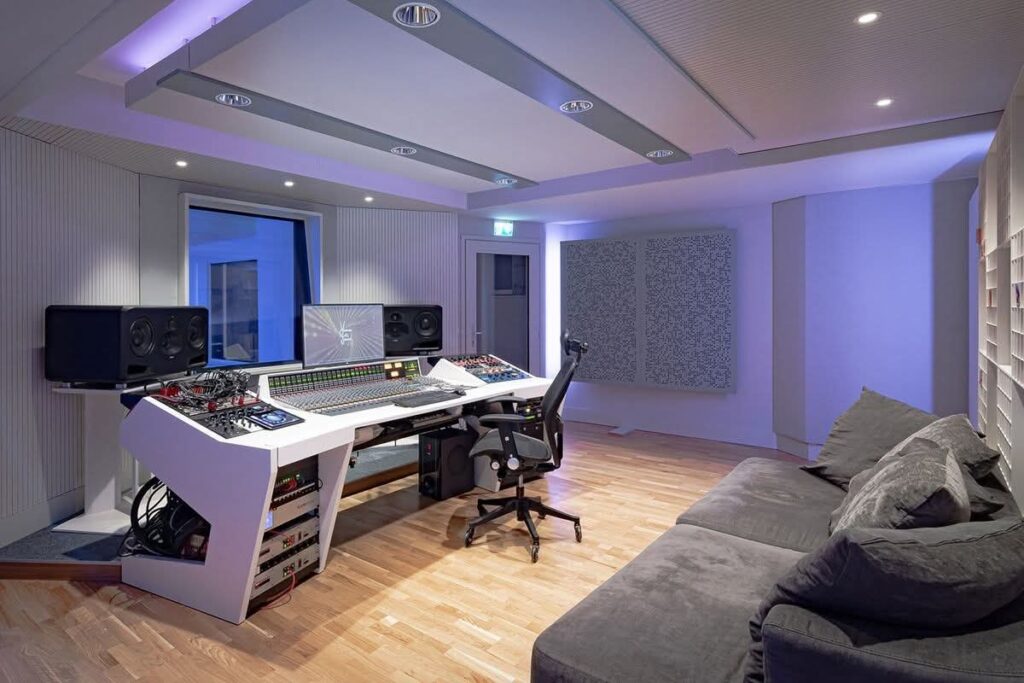
A sloped ceiling music room works best when you treat the lower areas as an asset rather than wasted square footage.
The challenge of the space tends to make producers more deliberate about what goes where, and that focus usually carries into the work itself. Less room to spread out often means fewer distractions.
Small Attic Studio Layout for Solo Producers
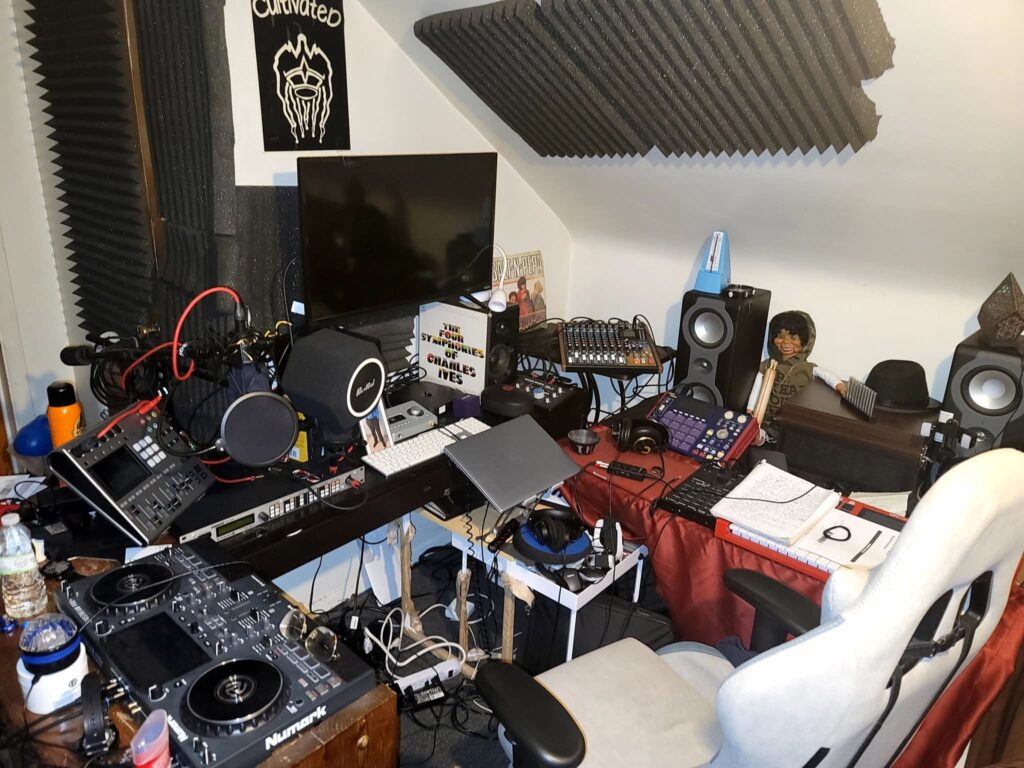
Solo producers don’t need much room to work effectively.
A small attic studio layout built around one person and one workflow tends to be tighter and more focused than a larger setup designed to accommodate everyone.
This suits producers who have realized that space doesn’t equal productivity.
Creative Loft Studio Design with Vaulted Ceiling
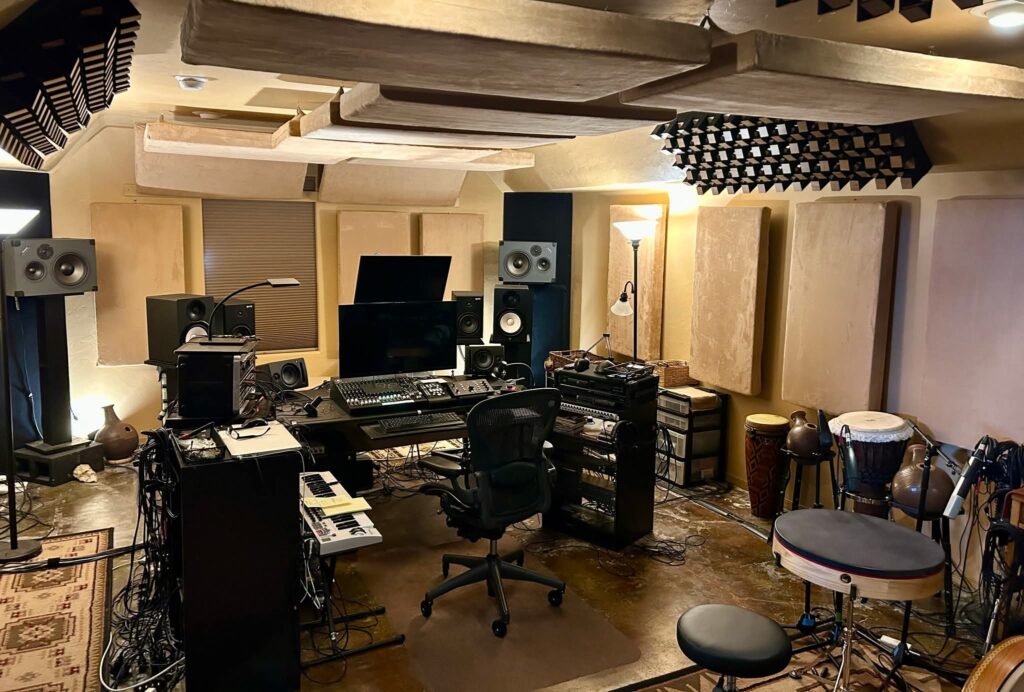
A vaulted ceiling in a loft studio behaves differently acoustically than you might expect.
The height in the center of the room creates a sense of space that doesn’t match the square footage, which can make a small attic feel bigger than it is.
Creative loft studio designs tend to use that contrast well.
Attic Home Studio Aesthetic for Bedroom Producers
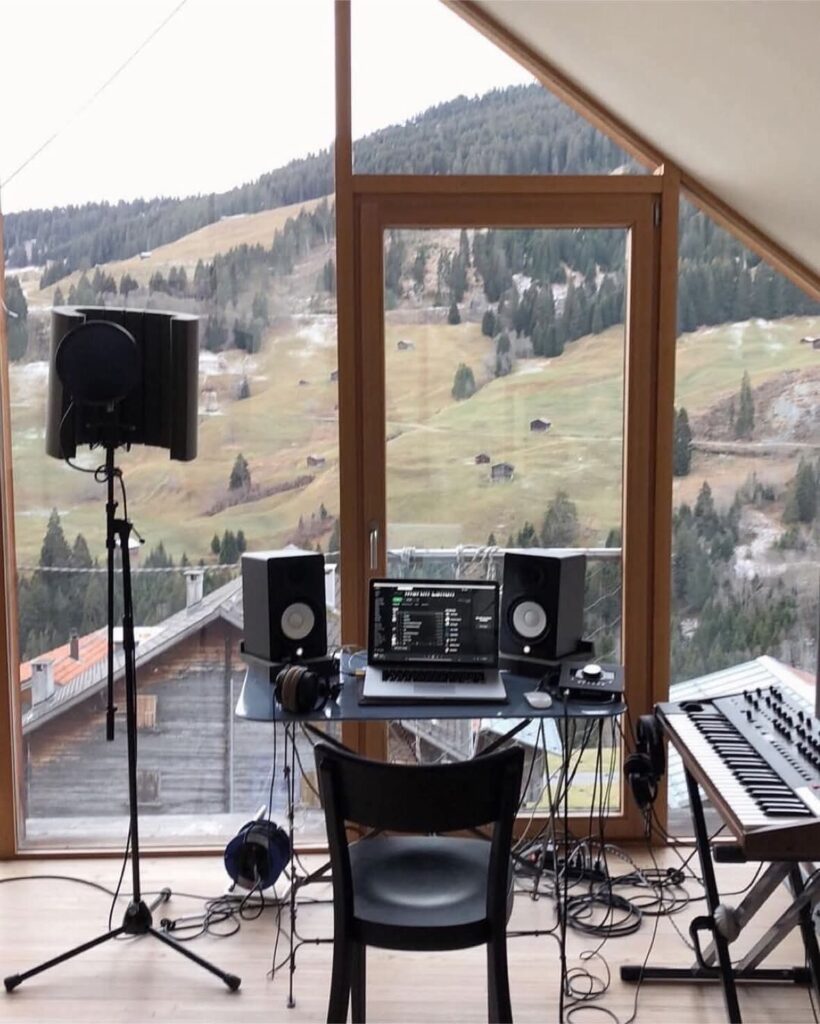
Bedroom producers who move into an attic space often find it changes the way they work. There’s something about having a room that exists specifically for music that shifts your relationship to the process.
The aesthetic of an attic studio tends to develop naturally out of the space rather than being imposed on it.
Recording Studio Under the Roof with Angled Walls
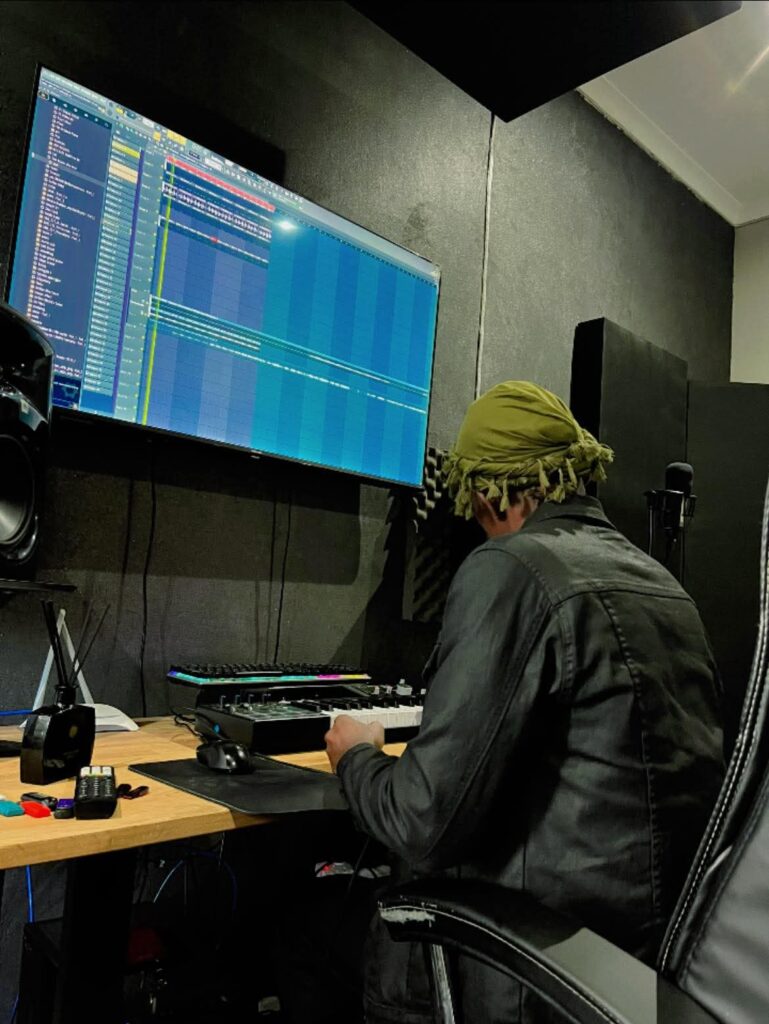
Angled walls are one of those things that sound like a problem and turn out to be a feature.
A recording studio under the roof with angled walls tends to have a character that flat-walled rooms don’t, and that character often becomes part of the sound.
Producers who have worked in these spaces tend to defend them.
Cozy Attic Music Room for Late Night Sessions
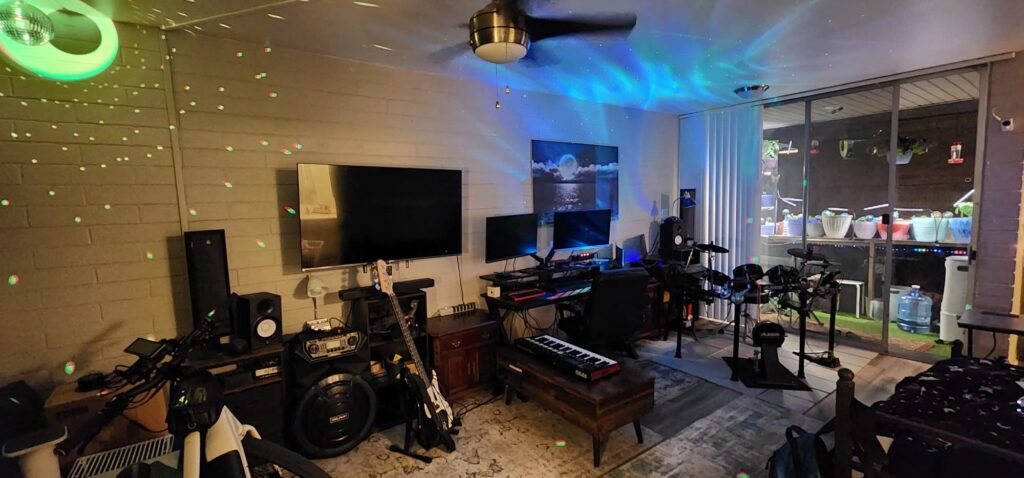
An attic music room is naturally suited to late-night sessions.
The separation from the rest of the house is built in, and the enclosed feeling that comes with slanted ceilings suits the kind of focused work that happens after midnight.
If you’re a night worker, an attic space rewards you more than most.
Low Ceiling Home Studio Layout That Works
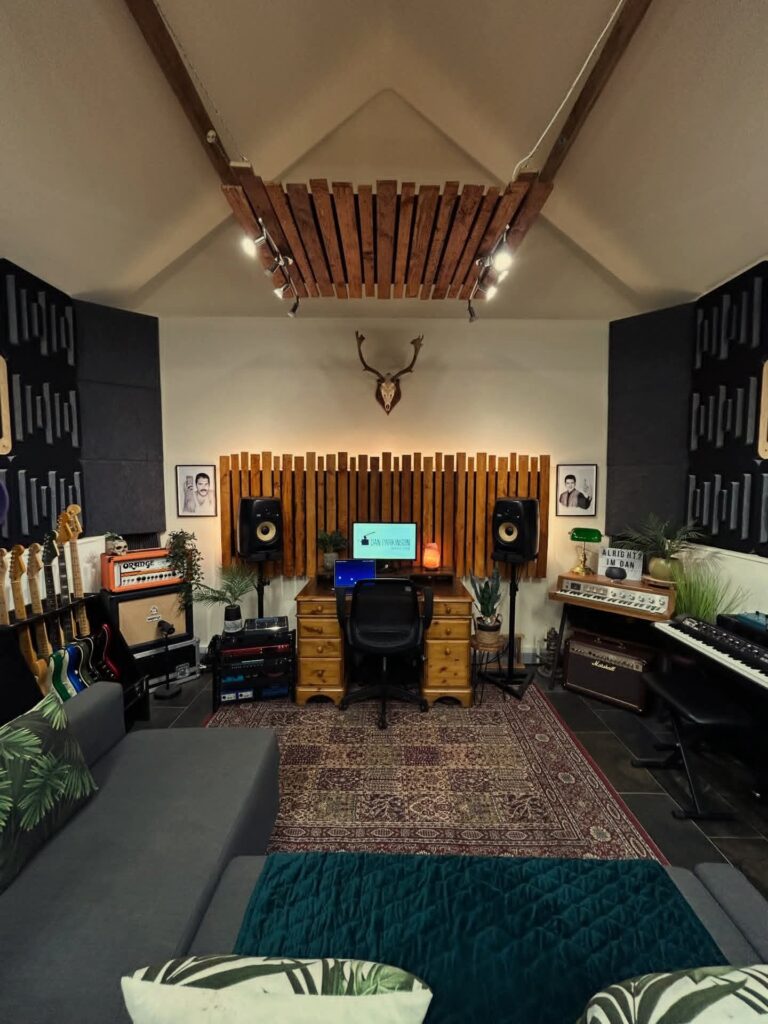
Low-ceiling studios have a reputation they don’t entirely deserve.
The constraint forces you to think about the layout in a more deliberate way, and that planning usually results in a space that feels intentional rather than thrown together.
A low-ceiling home studio can work extremely well for the right kind of producer.
Top Floor Studio Setup with Slanted Roof
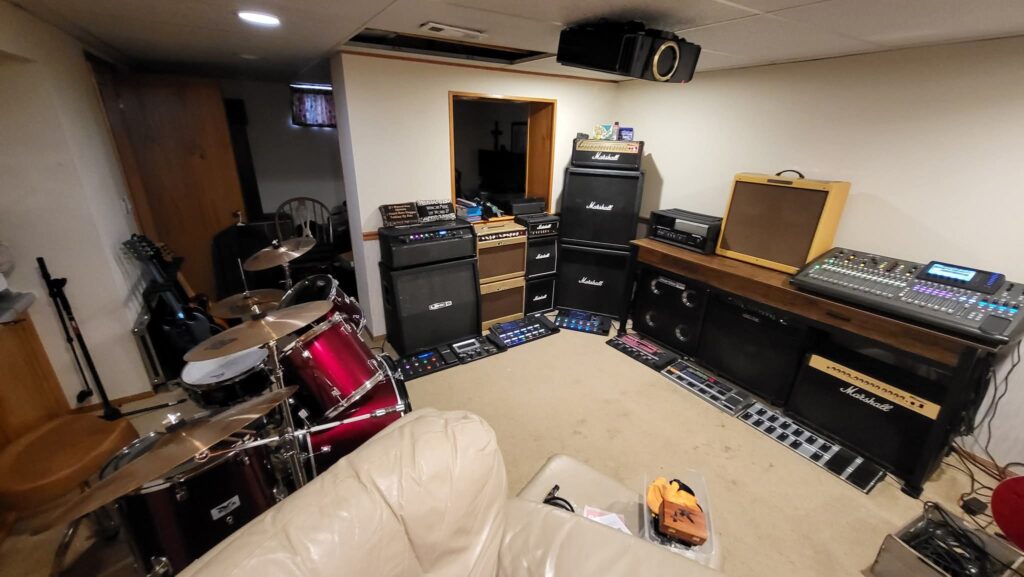
A top-floor studio setup has one advantage that’s hard to put a price on: distance from the rest of the house.
The slanted roof becomes background noise once you’re used to it, and the separation from ground-level activity makes a real difference for focus.
This suits anyone who has tried working on lower floors and found it too distracting.
Productive Attic Recording Space for Solo Work
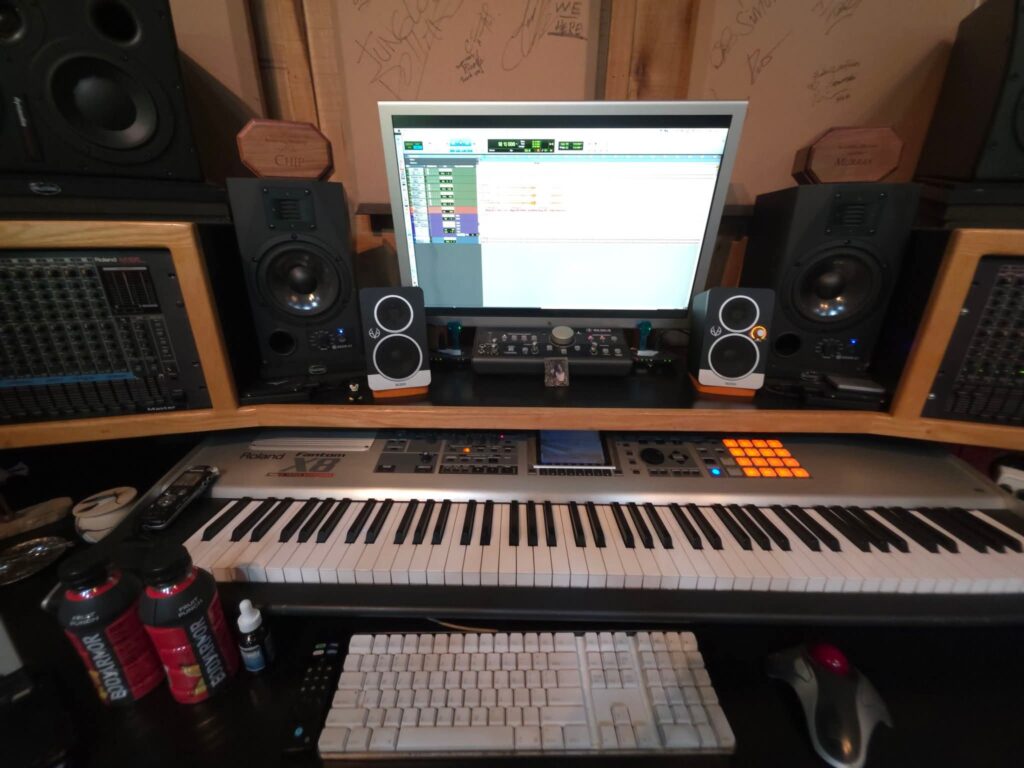
Productivity in an attic recording space often comes from the room itself as much as any workflow habit. When the space feels finished and intentional, you treat your time in it differently.
Producers who have put effort into making their attic setup feel like a real studio tend to use it more consistently than those who treat it as a temporary solution.
Compact Attic Studio Ideas for Tight Roof Spaces
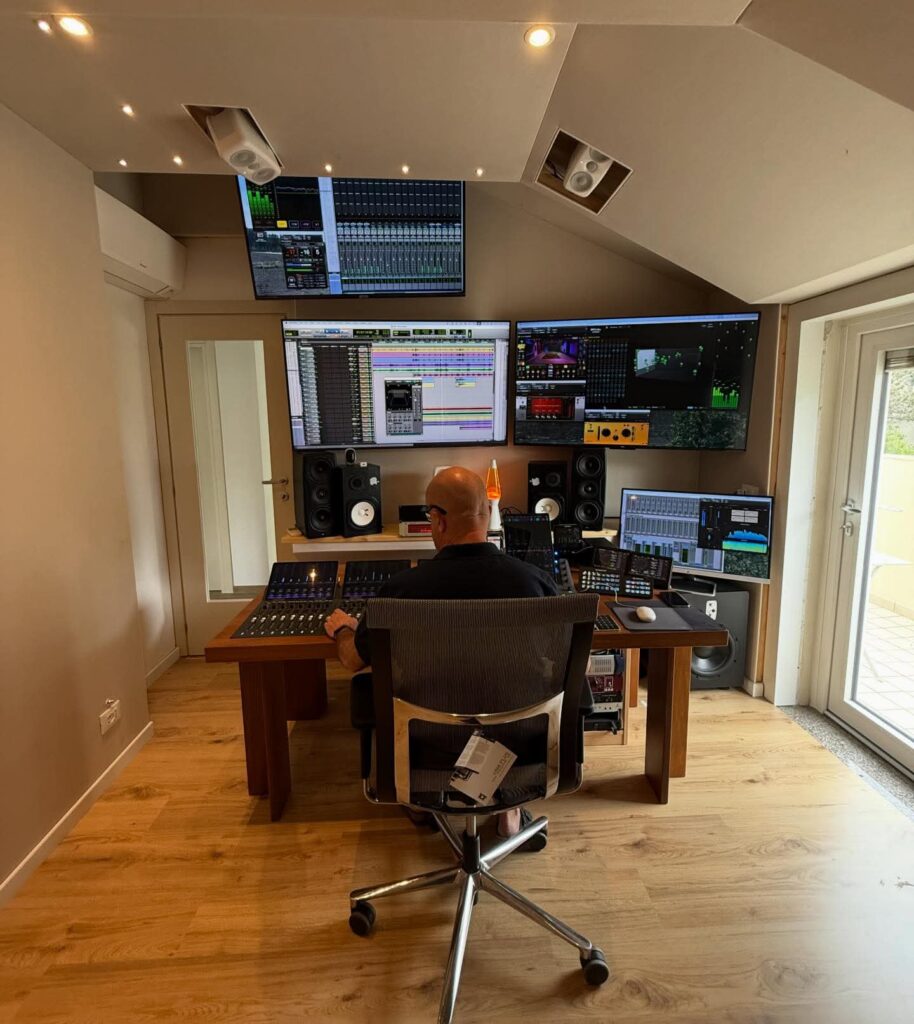
Tight roof spaces challenge you to be specific about what you actually need versus what you think you need.
Compact attic studio ideas tend to strip out anything that isn’t essential to the workflow, which is a useful exercise regardless of the space.
If you’re working with limited headroom and floor space, starting from necessity rather than preference usually gets you somewhere good.
Angled Wall Studio Design for Home Producers
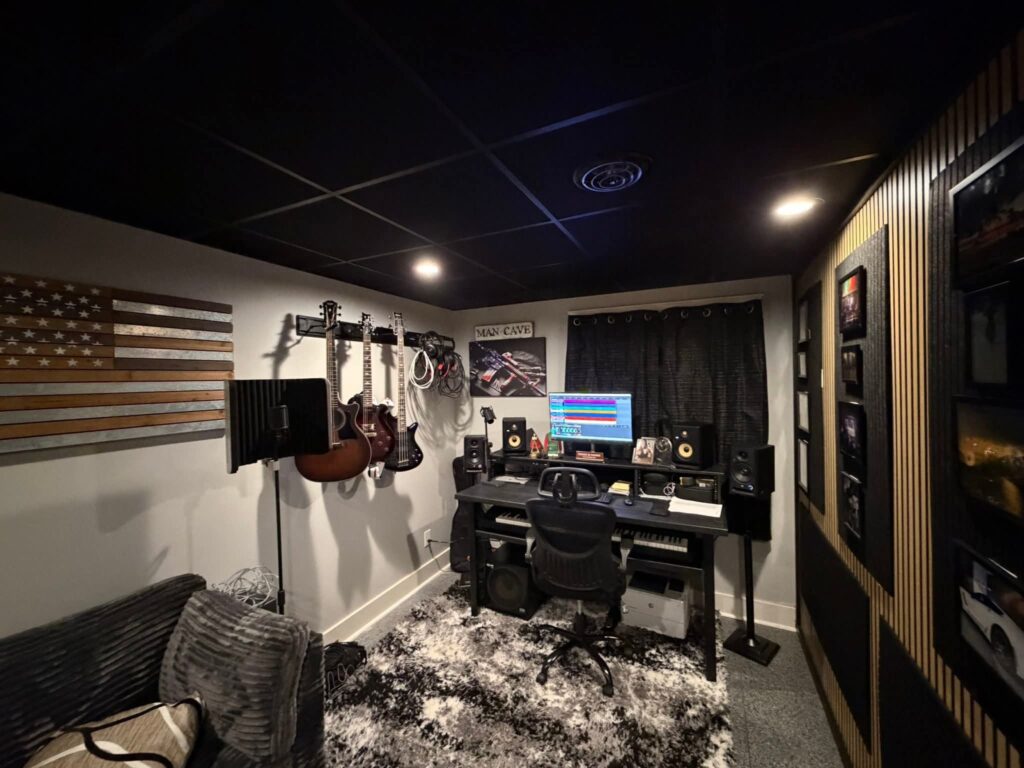
Home producers who work in rooms with angled walls quickly learn to use the geometry to their advantage.
The wall angles break up the parallel surfaces that cause problems in standard rooms, which can actually work in your favor without any additional treatment.
An angled wall studio design often sounds better than it looks on paper.
Loft Music Production Room with Pitched Ceiling
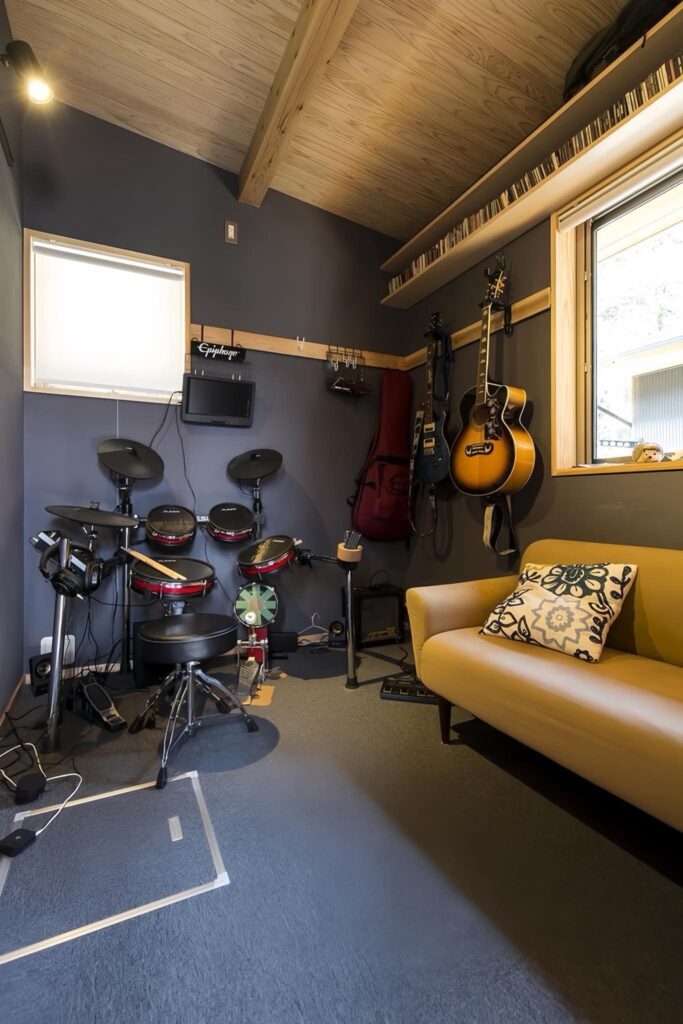
A pitched ceiling in a loft music production room creates a natural hierarchy in the space, with the high point at the center and the lower areas at the edges.
That structure tends to organize the room without much effort on your part.
Producers who work in these spaces often describe them as some of the most comfortable setups they’ve had.
Attic Studio Conversion Ideas for Sloped Roof Spaces
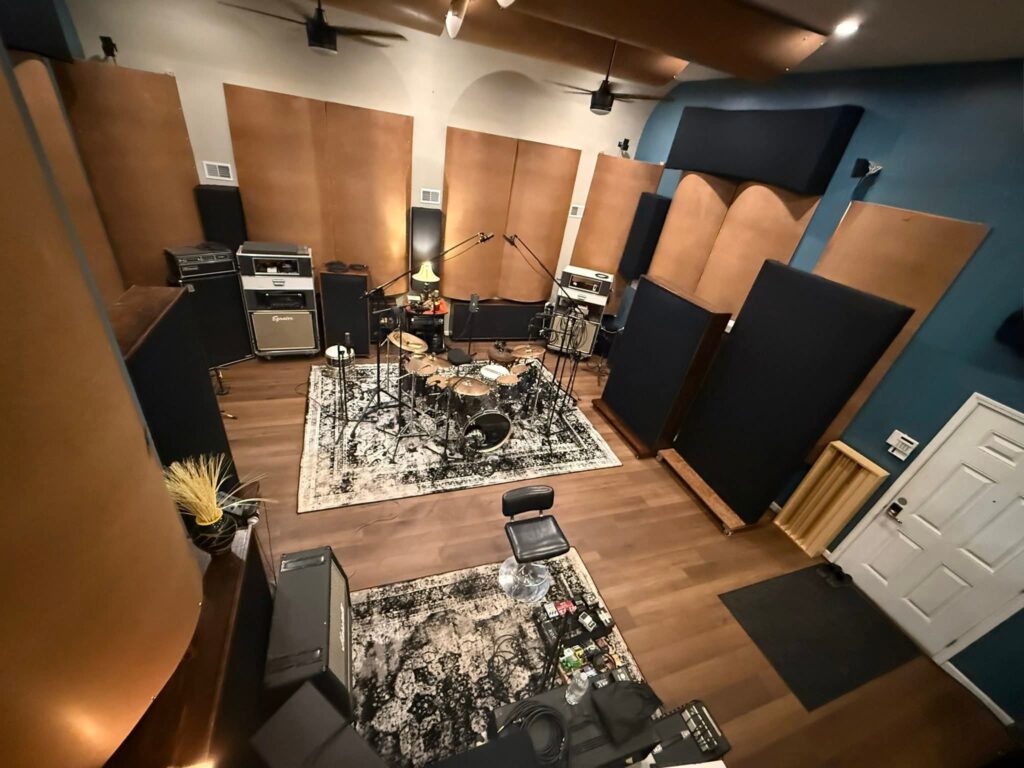
Converting a sloped roof space into a studio is one of the more satisfying home projects a producer can take on.
The before-and-after gap tends to be significant, and the finished result feels genuinely personal in a way that a purpose-built room sometimes doesn’t.
These ideas are for people who are ready to stop treating the attic as storage and start treating it as a workspace.
Creative Recording Nook Under Slanted Eaves
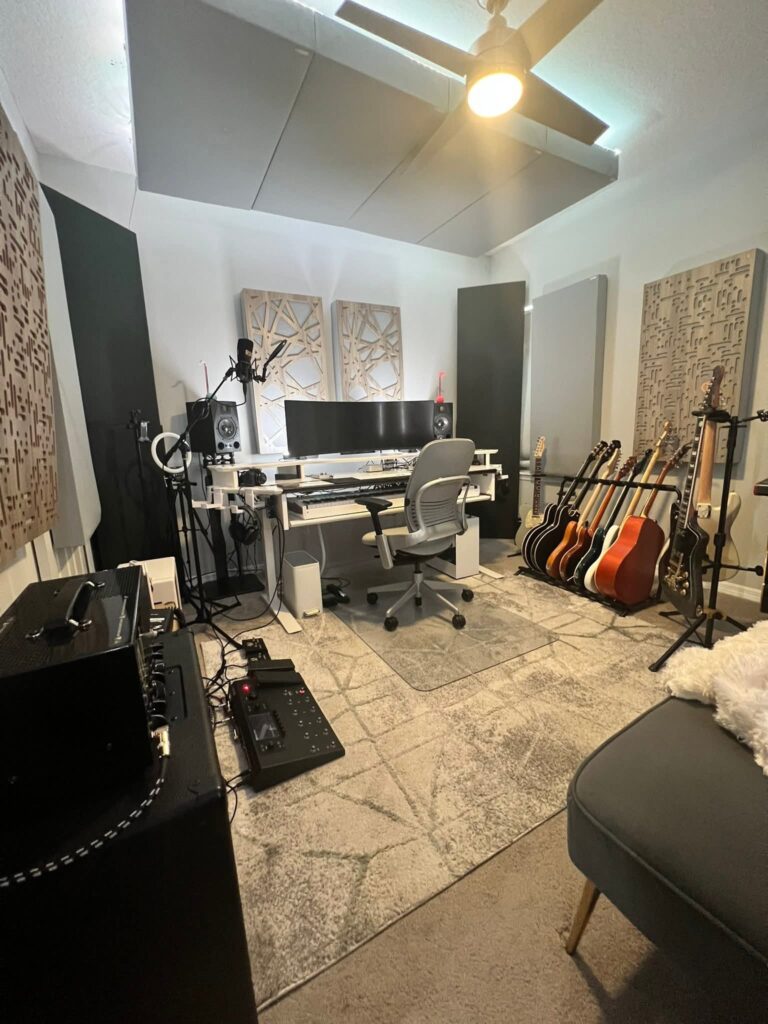
A recording nook under slanted eaves is about as tucked-in as a studio gets.
That feeling of being enclosed on multiple sides does something for focus that open rooms don’t replicate easily.
This suits producers who do their best work when the space feels like it belongs entirely to them.
Home Studio Layout That Works Around a Low Angled Ceiling
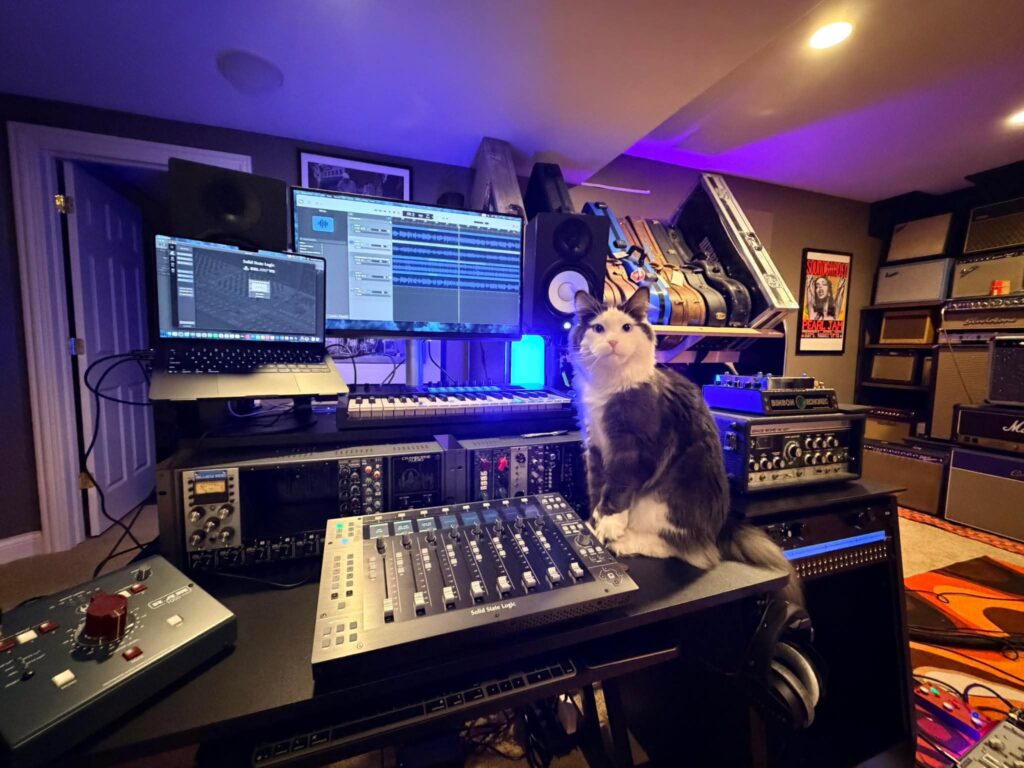
Working around a low-angle ceiling is a design problem that has more solutions than most people expect when they first look at the space.
The key is treating the ceiling as a fixed condition and building the layout around it rather than against it. Once you accept what the room is, the decisions tend to get easier.
Attic Beat Making Room with Sloped Ceiling Design
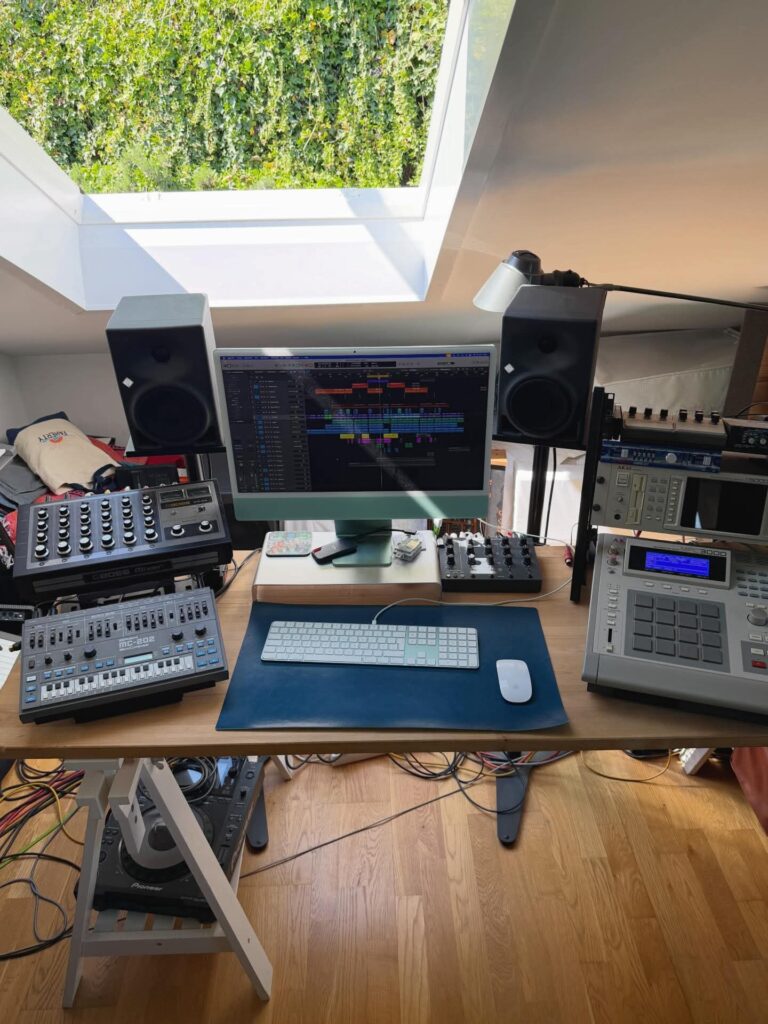
Beat makers tend to adapt well to attic spaces because the workflow is compact by nature. A sloped ceiling design suits a setup built around a small footprint, which describes most beat making environments anyway.
If you make beats and you have attic access, this might be the best studio option you haven’t considered yet.
Unique Studio Setup for Producers with Attic Access
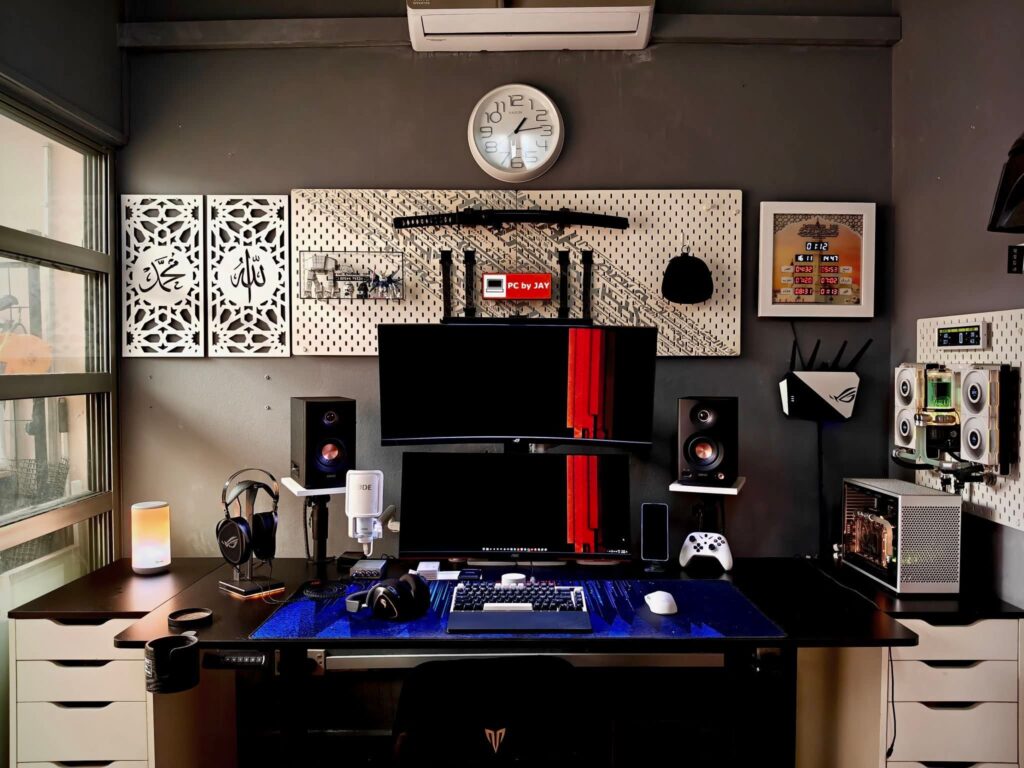
Not everyone has attic access, so if you do, using it for a studio is worth taking seriously. The separation from the main living areas alone makes it one of the better options for home recording, before you factor in any of the other advantages.
A unique studio setup built into an existing attic tends to feel more permanent and intentional than a converted bedroom.
Converted Roof Space Home Studio for Serious Producers
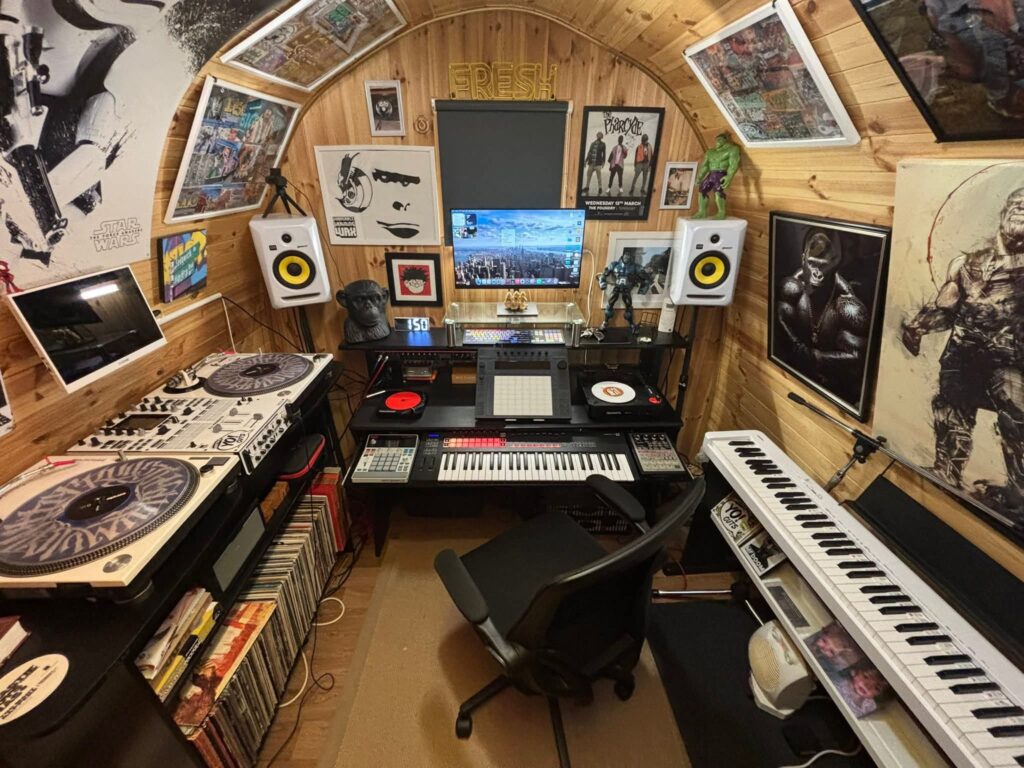
A converted roof space signals a certain level of commitment to the work. Producers who have gone through the process of turning raw attic space into a functional studio tend to work differently in it than they did in a room that was just temporarily repurposed.
The investment in the space tends to show up in the output.
That’s a Wrap
Attic studios reward the producers who take them seriously. The slanted ceilings and awkward angles that make the space seem difficult are usually the same things that end up giving it character.
If you’ve got the access and you’ve been on the fence, this is probably the nudge you needed.