
Home studio gear you probably don’t need falls into a pretty predictable pattern once you’ve watched enough people build (and rebuild) their setups. A lot of it looks helpful sitting on a shelf or in a cart. Most of it does very little for the actual recording or mix.
This is for beginners, budget-conscious home studio owners, podcasters, musicians, and anyone making content who keeps eyeing “one more thing” as the fix. I’m not here to mock anyone’s gear closet.
I’ve bought plenty of stuff I didn’t need. The point is helping you skip that step and put the money somewhere it actually matters.
Key Takeaways
- Most home studios need fewer upgrades than people think.
- A solid mic, interface, headphones, and some room control do more than any flashy extra.
- Some gear earns its place later, just not on day one.
- The best purchases fix a real problem you actually have, not one you imagined.
- If a piece of gear does not change what you record or how you work, skip it for now.
What Most People Need First
The core recording chain
Mic. Interface. Headphones. A DAW you don’t hate opening. Some basic room control. That’s it. That’s the whole list most people actually need to make something worth listening to.
Pro Tip: before you buy anything, record a full song or podcast with just your mic, interface, and headphones. If the result is usable, you already have enough gear. Only add a piece when a specific problem shows up that the current setup cannot fix.
Why this matters more than it sounds like it should
Signal quality, what you’re monitoring through, and your room’s acoustics affect a recording more than almost anything else you could buy.
The upgrades that actually move the needle come from fixing a bottleneck, not adding a fifth piece of gear to a chain that already has four working fine.
Gear You Probably Don’t Need (Yet, or Maybe Ever)
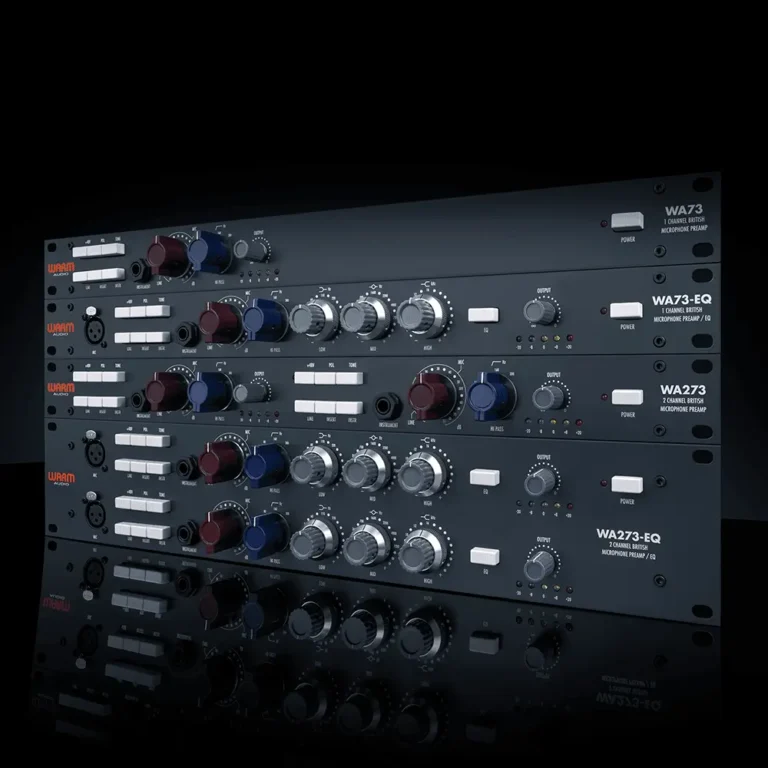
Expensive microphone preamps
Most beginners don’t need an external preamp the day they start. A decent interface preamp handles most home setups without complaint.
External preamps start to matter when you’re working with gain-hungry mics or chasing a specific tone character, not before.
High-end condenser microphones
A pricier mic will not fix a bad-sounding room. It will just capture that bad room in higher resolution. Reflections, background noise, and mic technique usually matter more than the price tag on the mic itself.
Room treatment often gets you further than a mic upgrade ever will.
Studio monitors before room treatment
Monitors in an untreated room can mislead you more than they help. The room changes what you hear, sometimes in ways that make a mix sound fine in your space and wrong everywhere else. Treatment first, or lean on good headphones in the meantime.
Fancy audio interfaces loaded with extra features
More inputs, a screen, marketing copy about “pristine converters.” None of that guarantees better sound. Most beginners need a stable interface with clean preamps and low latency.
Overbuying interface capacity is common, and it’s an easy trap because the spec sheet feels like progress.
Vocal booths or expensive isolation setups, too early
Some people buy heavy treatment or a booth-style enclosure before they’ve even figured out what their actual room problem is. Simple treatment usually gives better value than a costly enclosure.
Fix the room issue you actually have, not the one you imagined while browsing gear forums.
Premium cables and boutique accessories
Good cables matter. Reliability matters. Ultra-expensive cables marketed on “clarity” and “warmth” usually don’t change the recording itself. Buy something that won’t fail on you, and stop there.
Hardware compressors and outboard effects, for beginners
Plugins cover this need more cheaply and with more flexibility while you’re still learning. Gain staging and editing come first. Hardware becomes genuinely useful once you’re in more specialized workflows, not before.
Dedicated headphone amps for easy-to-drive headphones
Most modern interfaces already drive common studio headphones just fine. A separate amp only matters once your headphones actually need more power than your interface can give. Impedance is the number that decides this, not vibes.
Find Your Perfect Studio Gear
From interfaces to mics to monitors — answer 5 quick questions and get a personalized gear list for your setup.
What Looks Useful But Is Often Overkill
Dual monitors for home recording
A second screen can genuinely help your workflow. It will not improve your audio quality. Treat it as a productivity upgrade, not a sound one, and budget accordingly.
Multiple microphones before one good setup
Learn one mic well before buying a second. Grabbing several mics too early tends to slow down learning and drain a budget that could have gone toward treatment or a better interface.
Huge plugin bundles
Giant bundles create choice overload fast. A handful of tools you actually know how to use beats dozens of plugins sitting unopened in a folder.
When Extra Gear Is Actually Worth It
You have a specific bottleneck
Gear earns its place when it solves a real, identifiable problem: low gain, poor monitoring, latency issues, or a room problem treatment alone can’t fix.
You’ve handled the fundamentals first
The order that actually works: source, room, monitoring, workflow, then the fun stuff.
Upgrades should follow need. Not hype, and not whatever showed up in your recommended videos this week.
Common Buying Mistakes
Buying for specs instead of workflow
Specs look impressive on paper and still be irrelevant to your actual setup. Convenience and fit usually matter more than the numbers on a comparison chart.
Chasing the “pro studio” look
A polished-looking setup does not automatically sound better. Social media studio tours tend to overstate what’s actually necessary to make good recordings.
Fixing the wrong problem
A lot of gear purchases are really an attempt to avoid learning mic placement, gain staging, or editing. Technique is usually the cheapest fix available, and also the one people skip.
Better Budget Priorities
If you already own the basics
- Acoustic treatment
- Better headphones
- Better mic placement
- A cleaner workflow
- Better recording habits
If you’re just starting out
- A workable mic and a stable audio interface
- Closed-back headphones for tracking
- Treatment where your room actually needs it
- Nothing else, until you know your bottleneck
What to Buy Later, Not Never
None of this is anti-gear. Some items genuinely earn a spot once your studio is stable: advanced monitors, a second mic type for variety, an external preamp, premium converters, specialty processors.
Not needed now doesn’t mean never useful. It just means there’s an order to this, and skipping ahead usually costs you more than it saves.
Good to know: the items in this section are not wasted purchases, they are future purchases. Monitors, a second mic, an external preamp, and premium accessories all earn their place once your room and basic chain are solid, so buy them in that order.
How to Decide If You Need It
Ask yourself three questions
- Does it solve a real problem I actually have?
- Can I hear the difference in my room, specifically?
- Will it improve my results, or just my convenience?
The simple rule
If the answer isn’t obvious, it’s probably not a priority yet.
FAQ
Do I need studio monitors if I have headphones?
Not right away. Good headphones can handle mixing for a long time, especially in an untreated room where monitors would mislead you.
Is an expensive microphone worth it for a home studio?
Usually not at the start. Room, mic technique, and placement matter more than mic price.
Do I need a preamp for a USB or interface setup?
Most interfaces already include a usable preamp. You only need a separate one for specific microphones, extra gain, or a particular tone.
Are acoustic panels worth it for beginners?
Yes, often more than another gear upgrade. Acoustic treatment solves problems that better equipment cannot fix, and a set of acoustic bass traps in the corners is one of the highest-value first purchases.
Can plugins replace outboard gear?
For most home studio setups, yes. Outboard gear matters more later, when you have a specific workflow or sound goal.
What gear should I buy first for a home studio?
A workable dynamic microphone, a stable interface, closed-back headphones, and basic room treatment for your space.
Is a vocal booth necessary in a bedroom studio?
Usually not at first. Simple treatment and good mic placement solve more problems for less money.
What is the most overrated home studio purchase?
Usually the gear bought before the basics are sorted, especially expensive preamps, studio monitors, and boutique extras.
Conclusion
Most home studios need fewer upgrades than the gear ads want you to believe. Source, room, monitoring, and workflow are the real priorities, in that order. Buy gear when it solves a problem you can actually name. Everything else can wait.