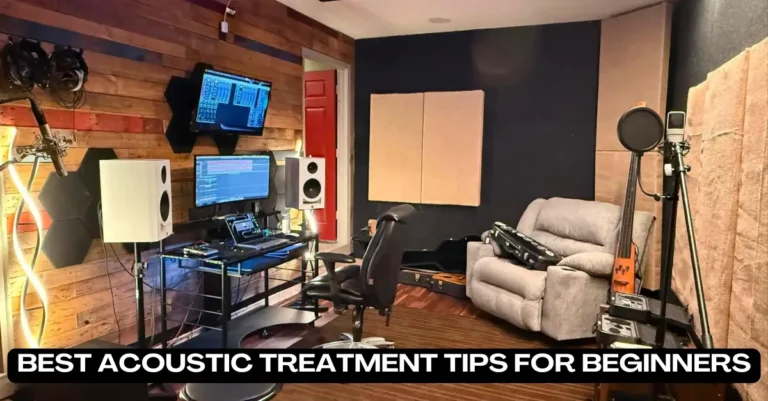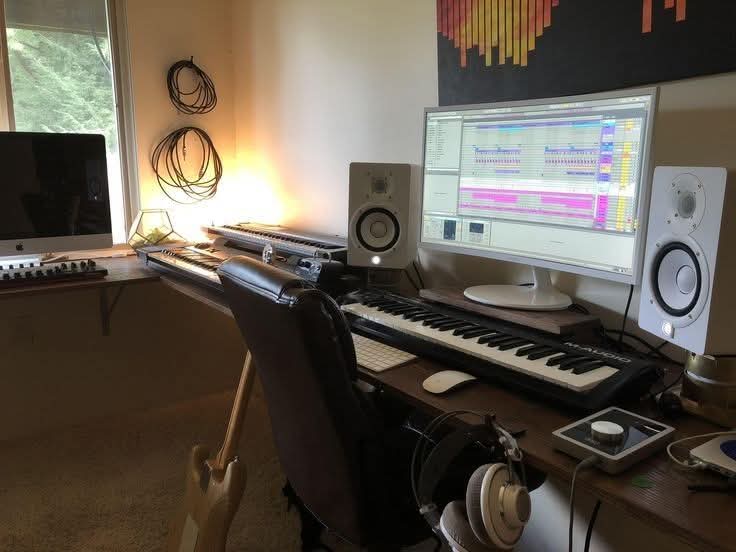

Japandi takes the calm of Scandinavian design and the restraint of Japanese minimalism and puts them in the same room.
The result is a studio that feels warm instead of empty, even with very little in it.
If your space leans toward wood tones, soft neutrals, and clean lines, this is the aesthetic built for you.
Japandi Recording Studio Corner
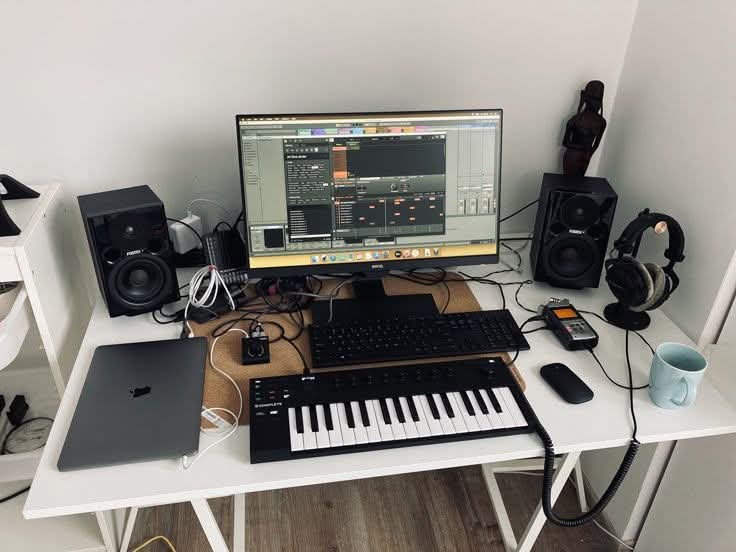
A corner built around Japandi principles doesn’t need much to feel complete. Pale wood tones and a couple of natural textures do most of the work here.
Good for anyone who’s tired of studio setups that look busy no matter how they arrange things.
Minimalist Japandi Music Studio Design
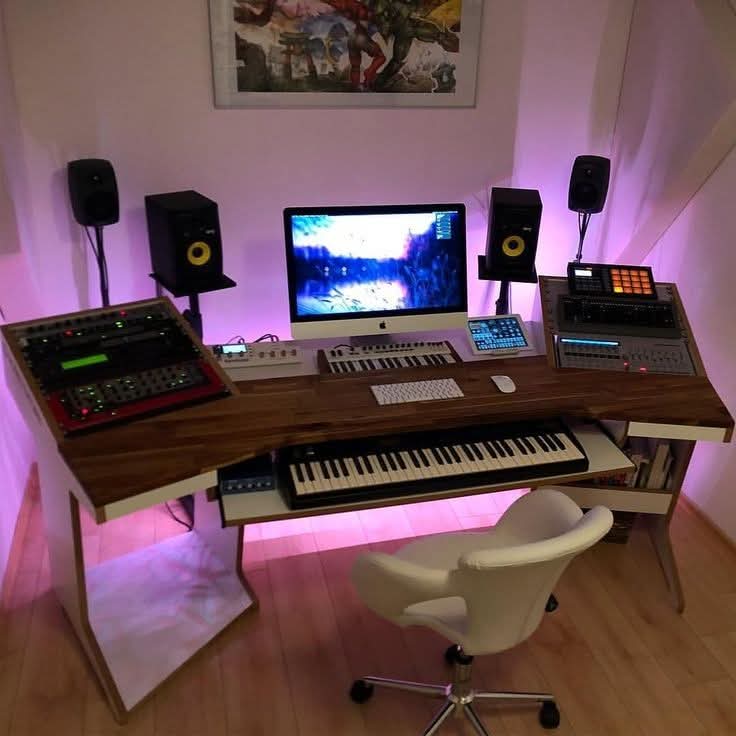
Fewer objects, chosen carefully, tend to outperform a room packed with gear on display.
Producers who’ve pared down their setup on purpose will find this look matches the mindset already. Nothing needs replacing, just a bit of visual editing.
Japandi Home Studio for Quiet Focus
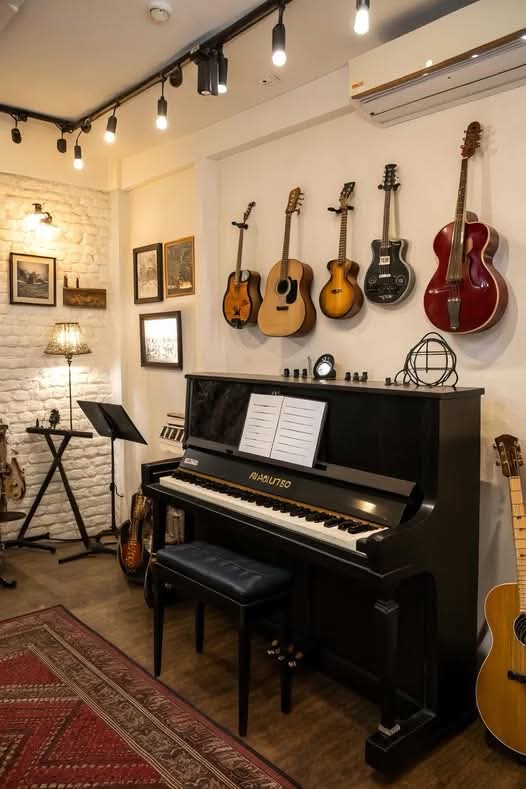
Some rooms hum with visual noise even when they’re silent. This one doesn’t.
If distraction has been getting in the way of finishing tracks, a calmer room is a cheap fix compared to buying new gear.
Warm Wood Japandi Recording Space
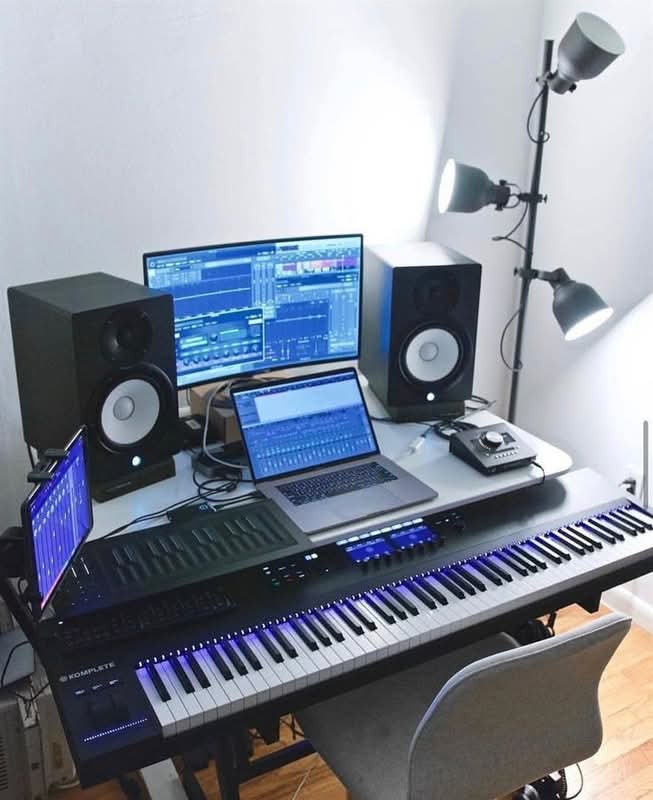
Wood tones bring warmth into a space without adding clutter, which is most of what Japandi is built around.
Works well for musicians who want the room to feel inviting rather than clinical. A single wood accent can shift the whole feel of a space more than people expect.
Japandi Studio Setup for Small Rooms
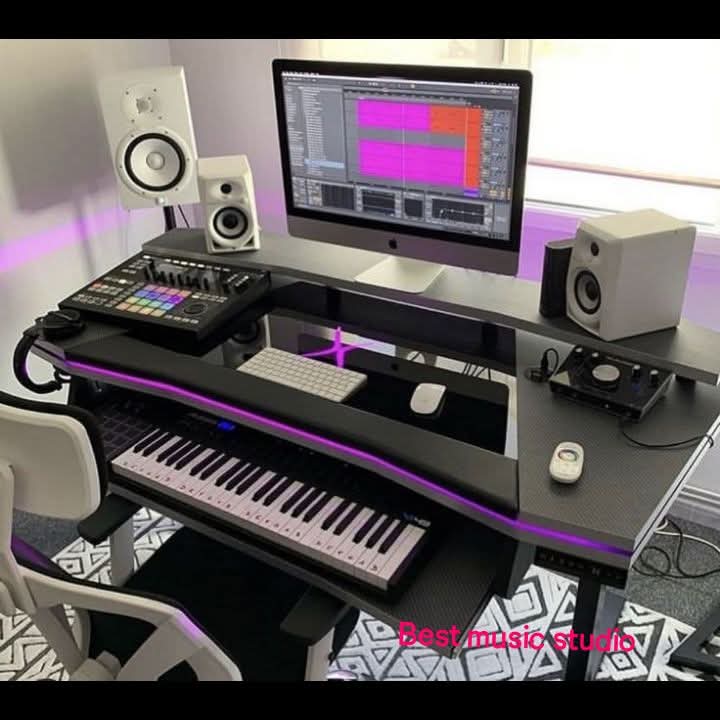
Small rooms benefit more from Japandi than almost any other aesthetic, since it was never designed around abundance.
Anyone working with a spare room, a converted closet, or a slice of an open floor plan will find the constraints line up naturally with the style itself.
Pro Tip: Visual aesthetics shouldn’t compromise sound. Always make sure your studio monitors are placed at ear-level and form an equilateral triangle with your listening position, regardless of the room’s decor.
Natural Light Japandi Music Production Studio
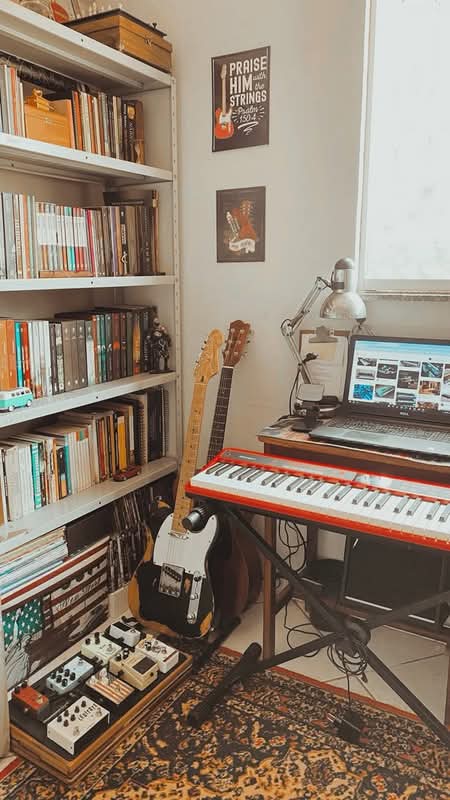
Daylight does more for a Japandi room than almost any design choice. If your space gets decent natural light, building around it instead of blocking it out usually pays off.
The room changes character across the day in a way artificial lighting alone can’t replicate.
Japandi Recording Studio Layout
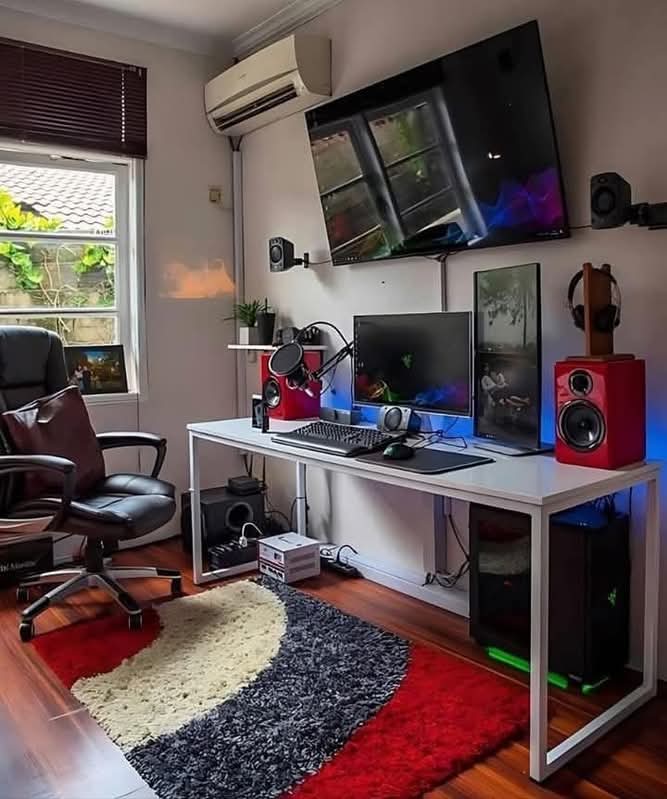
Layout in a Japandi studio favors openness over density. People who’ve rearranged their setup a dozen times looking for something that finally feels right might just need to remove a few things instead of adding more.
Calm and Balanced Japandi Home Studio
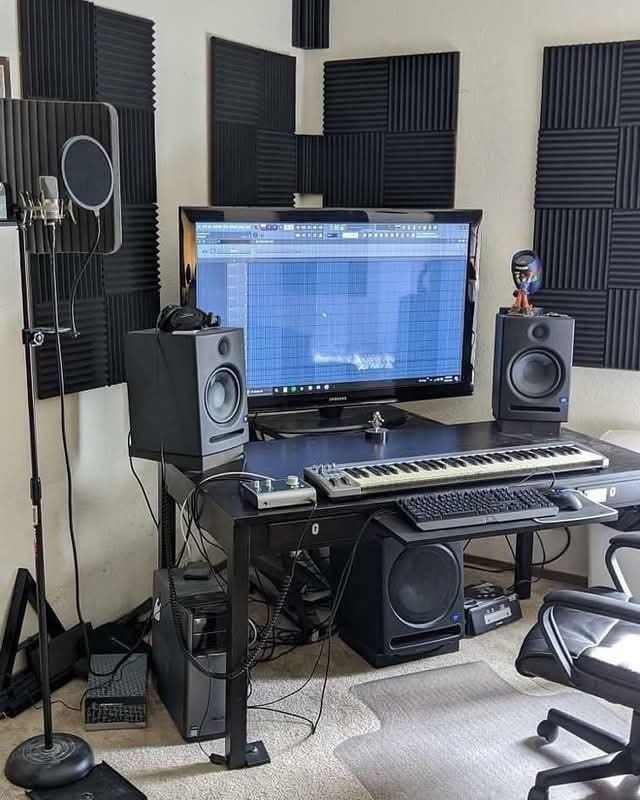
Balance here isn’t about symmetry, it’s about nothing in the room competing for attention.
Best suited to producers who spend long stretches at a time working and need the space to stay easy on the eyes the whole way through.
Japandi Music Studio for Minimal Gear
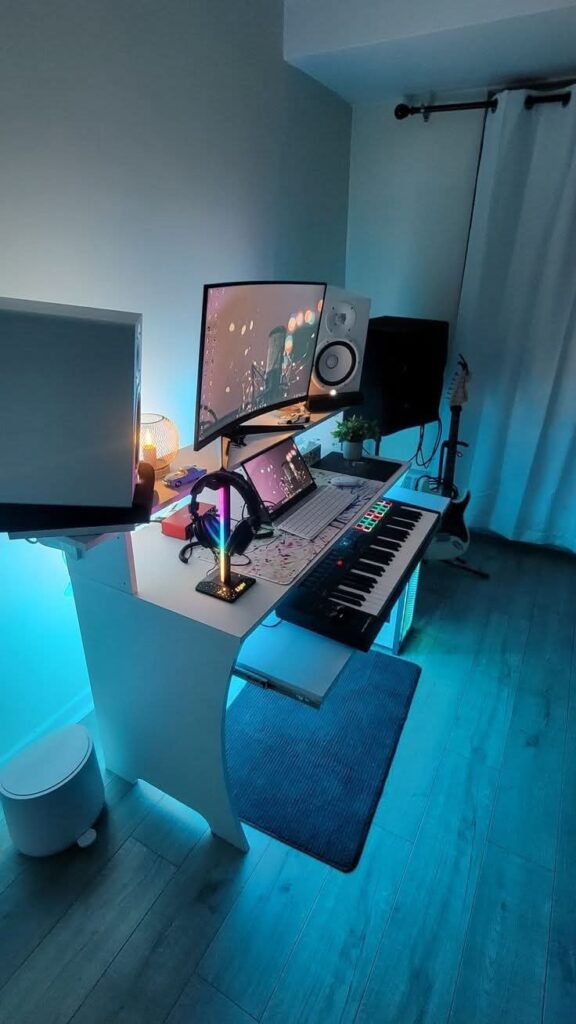
Owning less gear stops being a limitation once the room is designed around it instead of hiding it.
Fits anyone who’s downsized on purpose and wants the space to look intentional rather than incomplete.
👉 Read Next: Looking for more inspiration? Check out our guide on Creative Home Studio Layouts for Music & Media.
Neutral Tone Japandi Recording Space
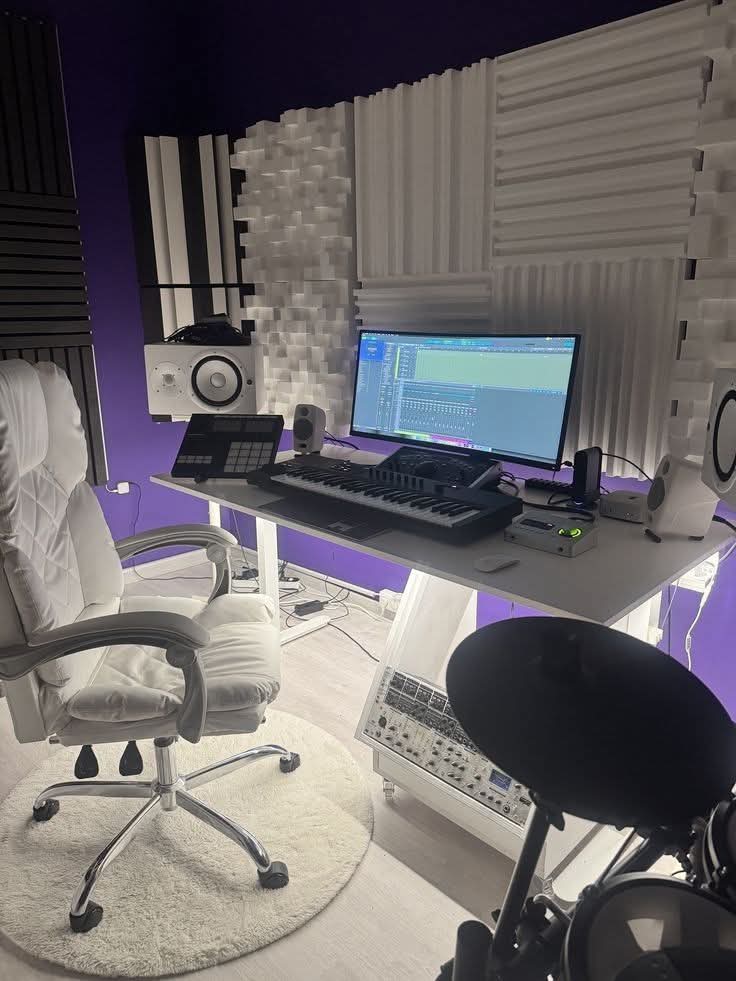
A neutral palette holds up longer than a bold one, both visually and in terms of how the room feels day to day.
Ideal for someone who wants the space to recede a bit so the actual work stays front and center.
Japandi Studio Design for Producers
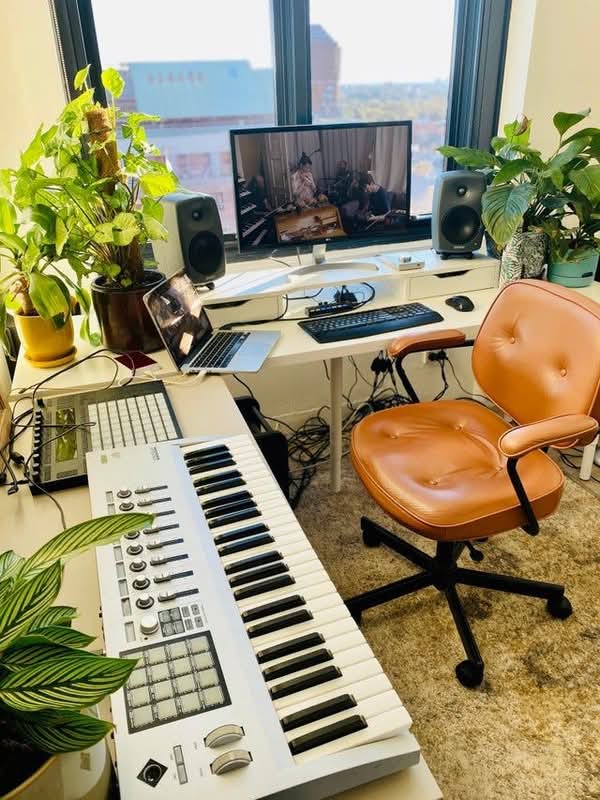
Producers dealing with long mixing sessions need a room that doesn’t tire them out visually before the work even starts.
A pared-back, warm-toned space tends to hold attention better across hours than a busier one.
Uncluttered Japandi Recording Studio
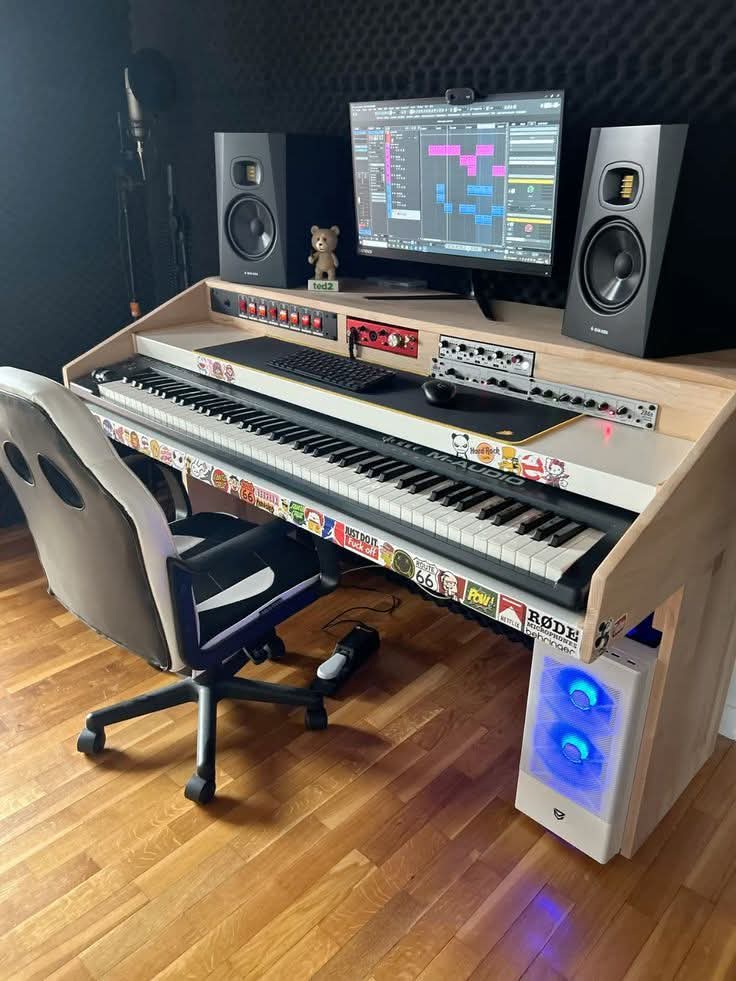
An uncluttered room isn’t the same as an empty one. What’s left in the space matters more when there’s less of it, which works in favor of anyone who’s already selective about their gear.
Japandi Home Recording Studio Ideas
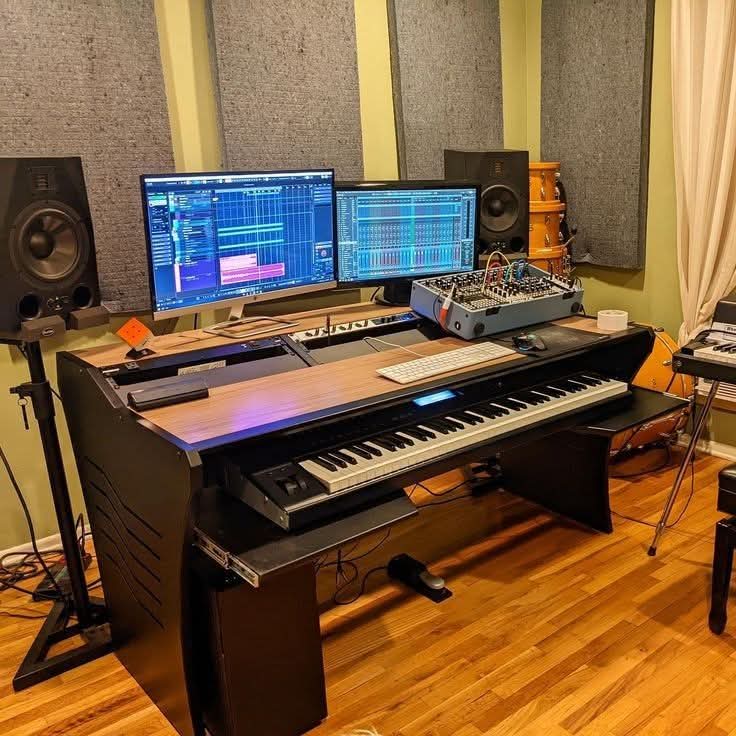
Home studios don’t need to mimic professional facilities to function well. Musicians who’ve accepted that their room will always be a home studio, not a commercial one, tend to gravitate toward a look this honest about it.
Serene Japandi Music Studio Corner
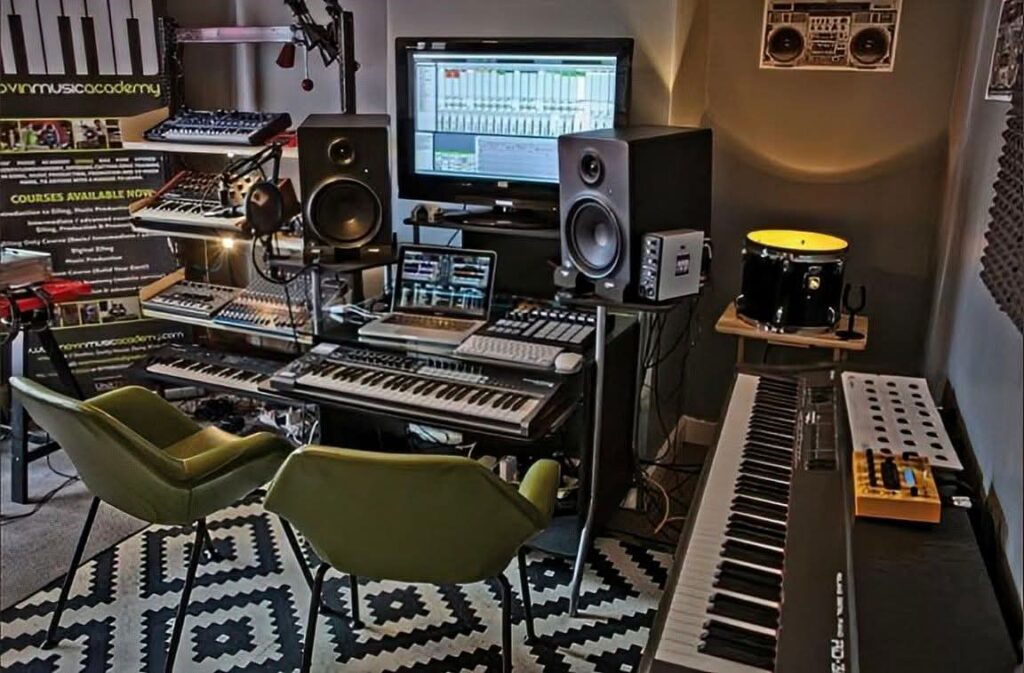
Serenity in a small corner comes down to restraint more than square footage. Great for renters or anyone without a dedicated room who still wants the space to feel calm rather than makeshift.
👉 Read Next: You might also like our breakdown of Home Studio Ideas That Look Amazing.
Japandi Studio Layout for Apartment Living
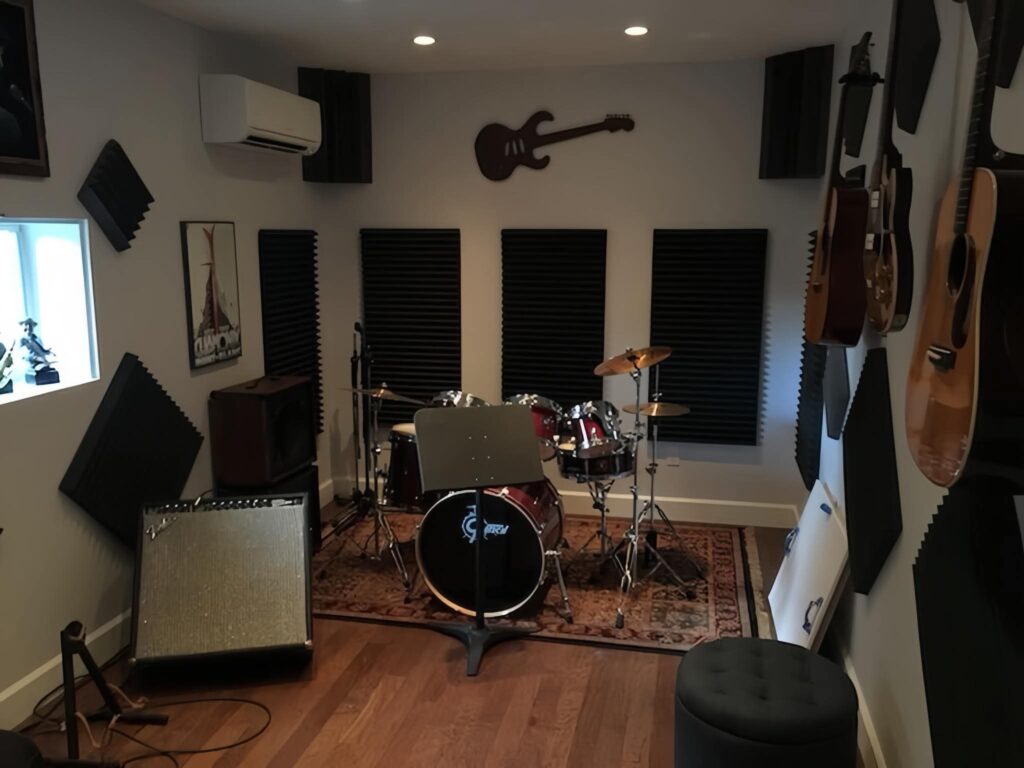
Apartments come with shared walls and limited space, and Japandi doesn’t fight either of those constraints. Works for anyone who needs the studio to blend into the rest of the apartment rather than stand out as a separate zone.
Earthy Japandi Recording Space Design
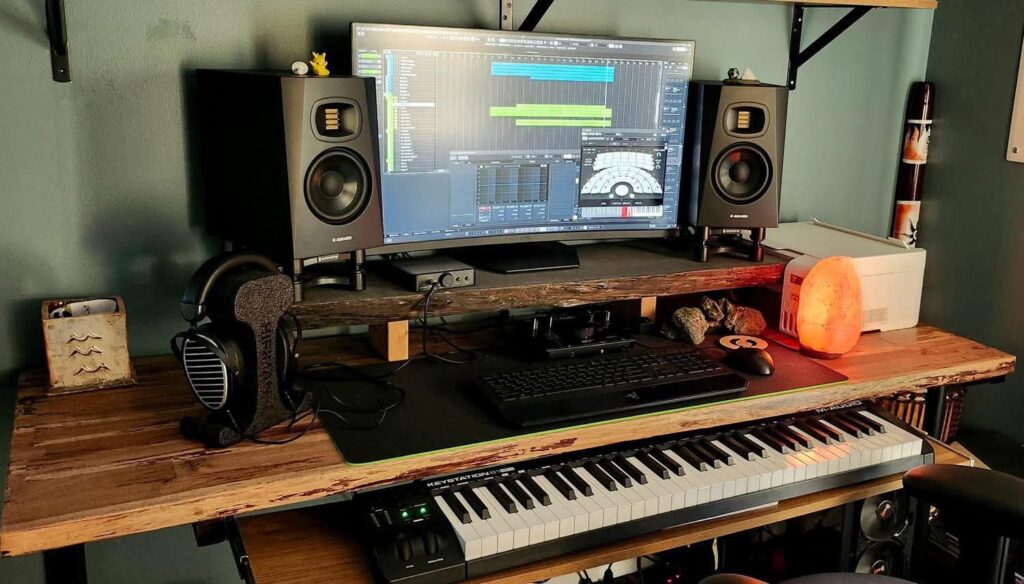
Earthy tones ground a room without weighing it down visually. Musicians drawn to natural materials, stone, clay, unfinished wood, will find this a comfortable direction to build toward.
Japandi Music Production Room Concepts
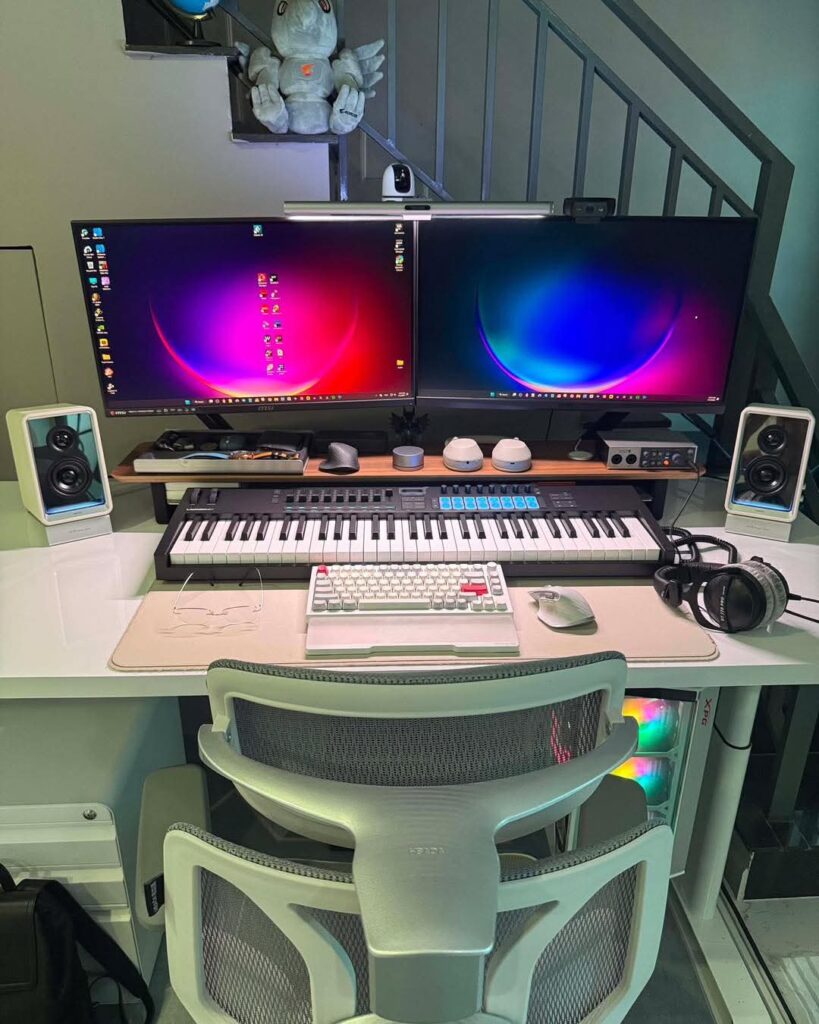
A production room needs to hold up across repetitive, sometimes tedious hours of editing and mixing.
This suits the kind of work where the room has to stay comfortable at hour four, not just look good in a photo taken at the start.
Grounded Japandi Home Studio Setup
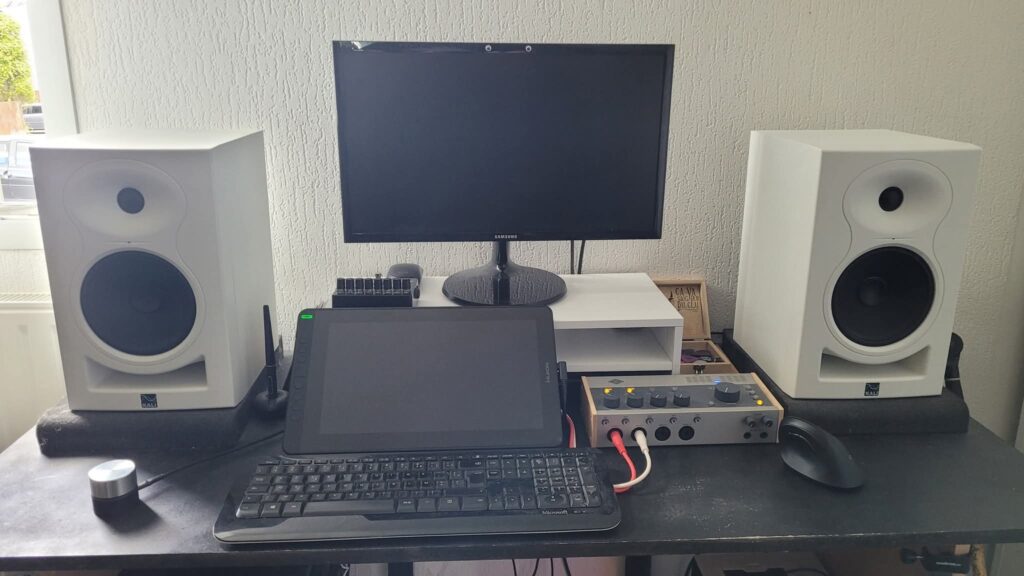
Grounded rooms feel settled rather than staged. People who’ve been chasing a look that photographs well but never quite feels right to actually sit in might do better starting from function and letting the aesthetic follow.
Japandi Recording Studio for Small Spaces
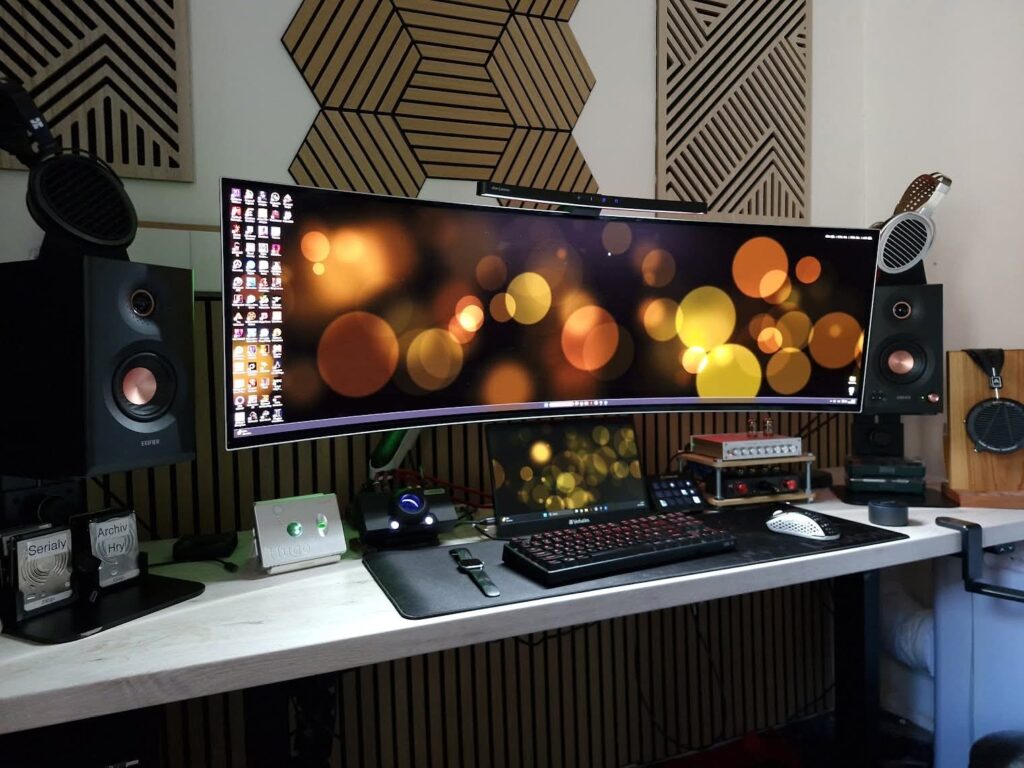
Small spaces reward simplicity more than any other room size. Anyone squeezing a studio into a corner, a landing, or the edge of another room will find Japandi asks for less than most other aesthetics do.
Airy Japandi Music Studio Design
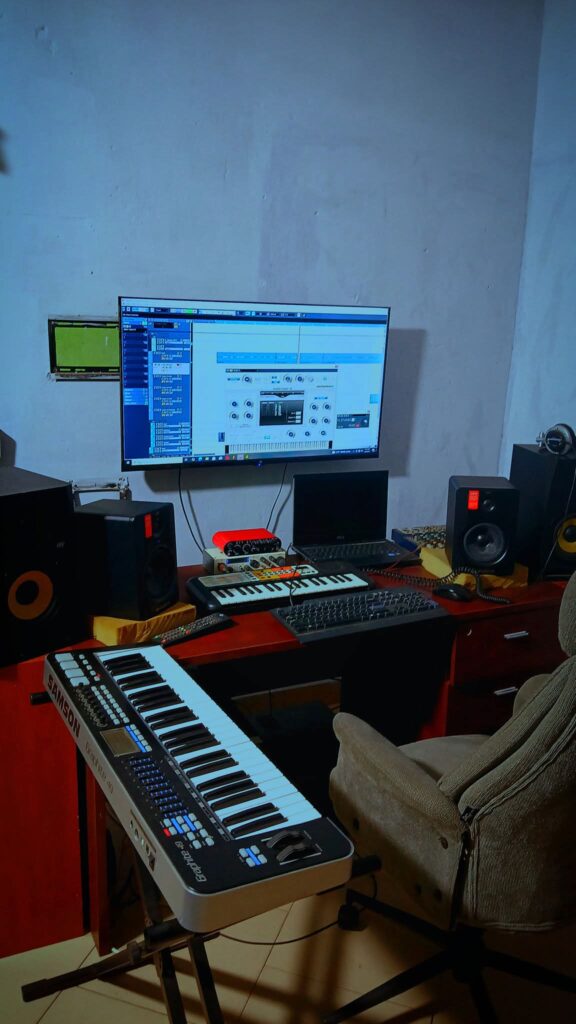
An airy room doesn’t need to be large, it needs to avoid visual density. Fits musicians who feel boxed in by heavier, more decorated spaces and want the room to breathe a little.
Japandi Studio Corner for Songwriters
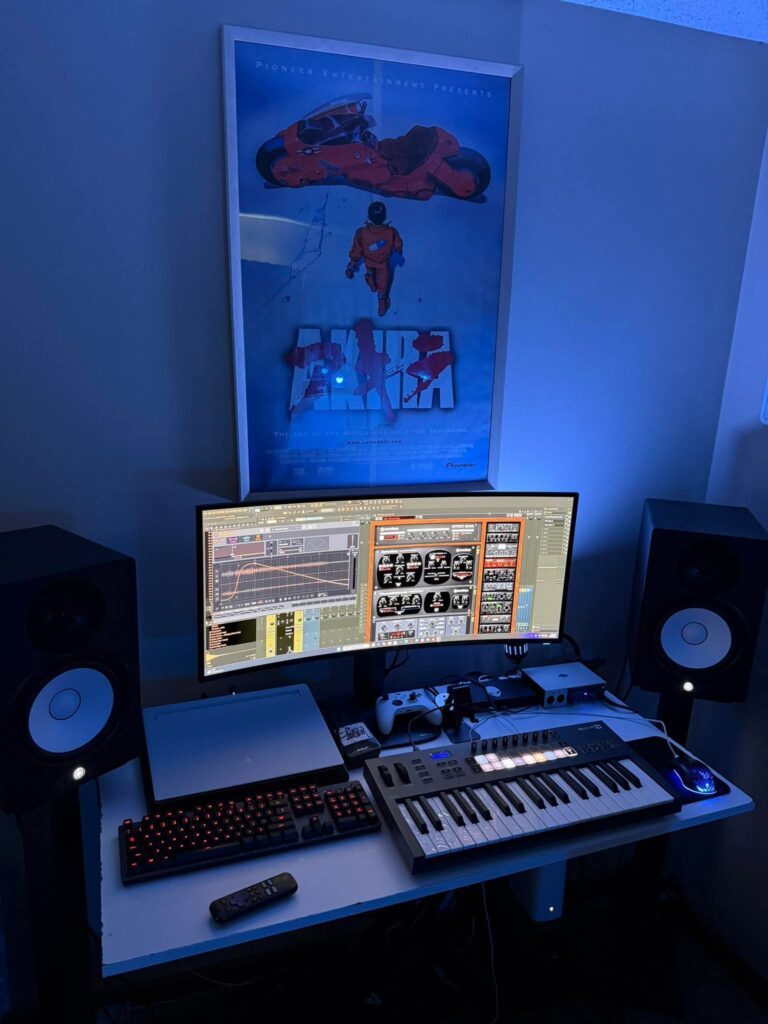
Songwriting leans on quiet more than almost any other part of the process. A calm corner with little to look at supports that kind of internal, slower work better than a busier setup would.
Restrained Japandi Recording Studio Concepts
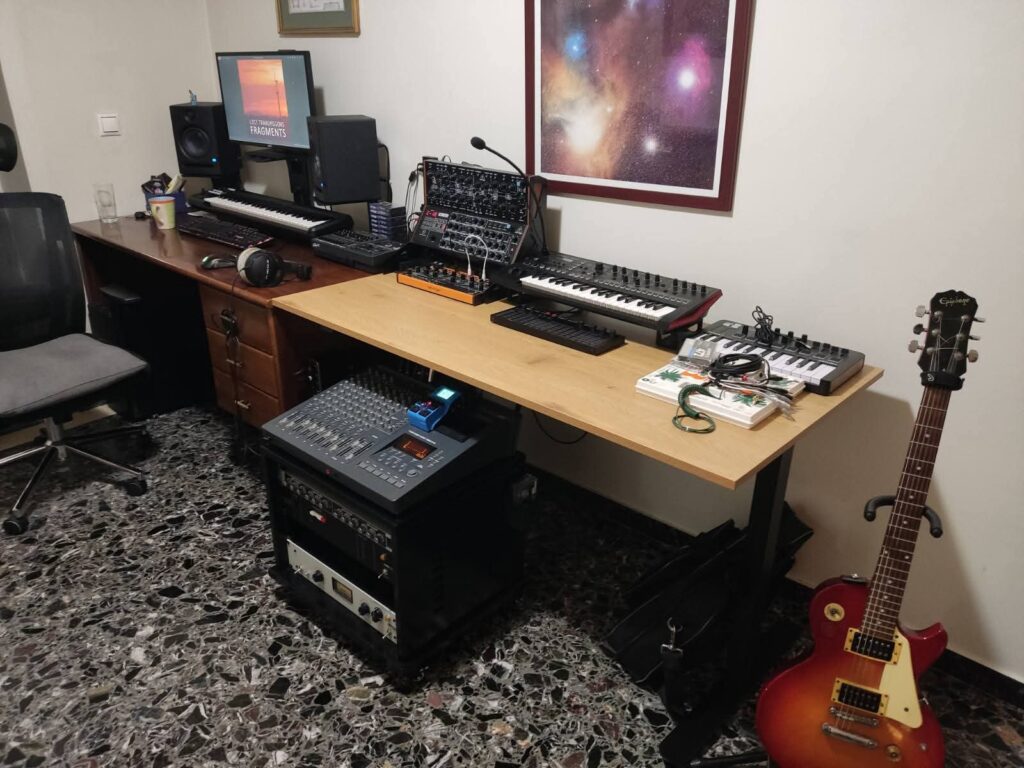
Restraint is the whole point here, not a compromise. Producers who’ve noticed that more gear rarely means more finished tracks tend to find this approach matches how they already think about their work.
Japandi Home Studio for Beginners
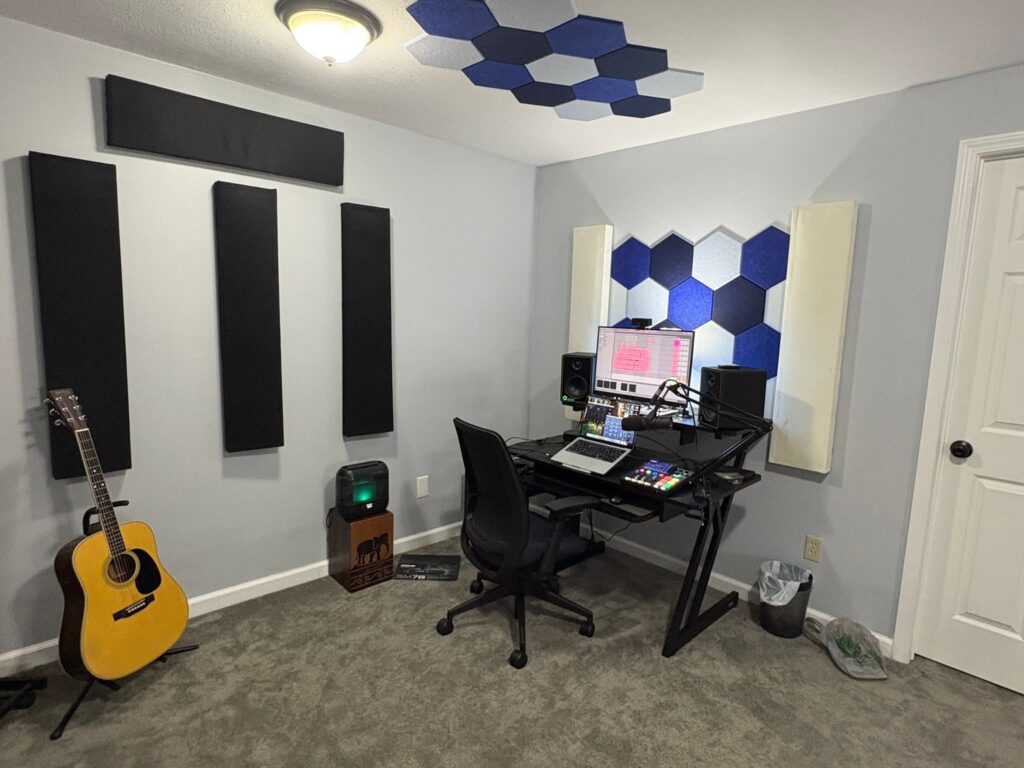
New to recording and not sure what the room even needs yet. Starting minimal means there’s less to undo later, and a Japandi-leaning space keeps early setups from feeling half-finished while you figure out what you actually use.
Pale Wood Japandi Recording Space
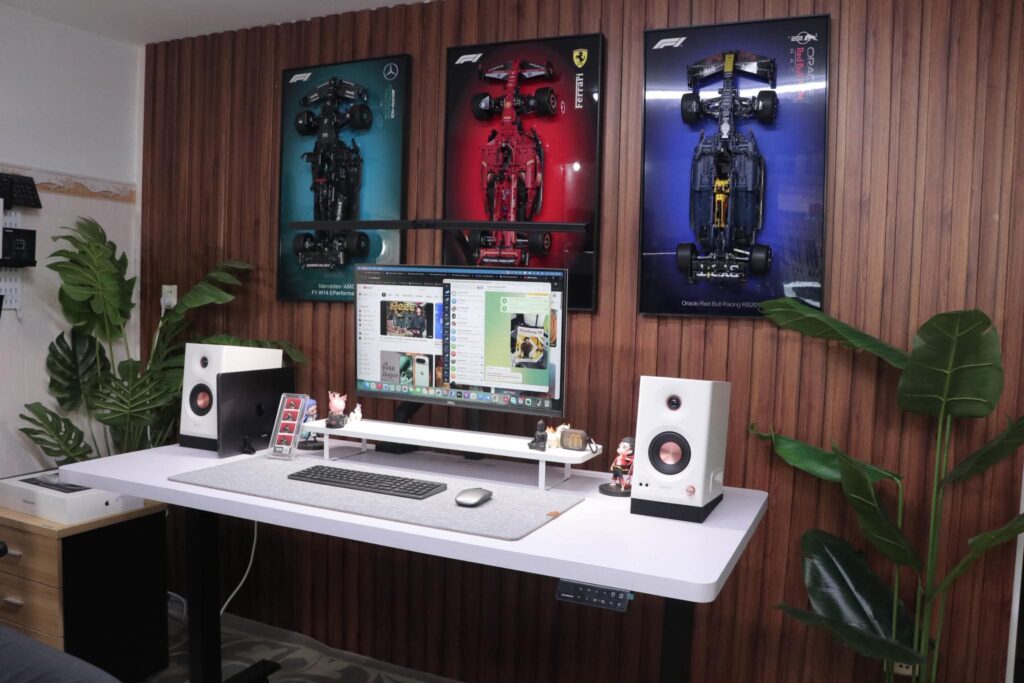
Pale wood tones lighten a room without making it feel sterile the way all-white spaces sometimes do.
A good direction for anyone who wants warmth without visual weight.
Japandi Music Studio for Solo Artists
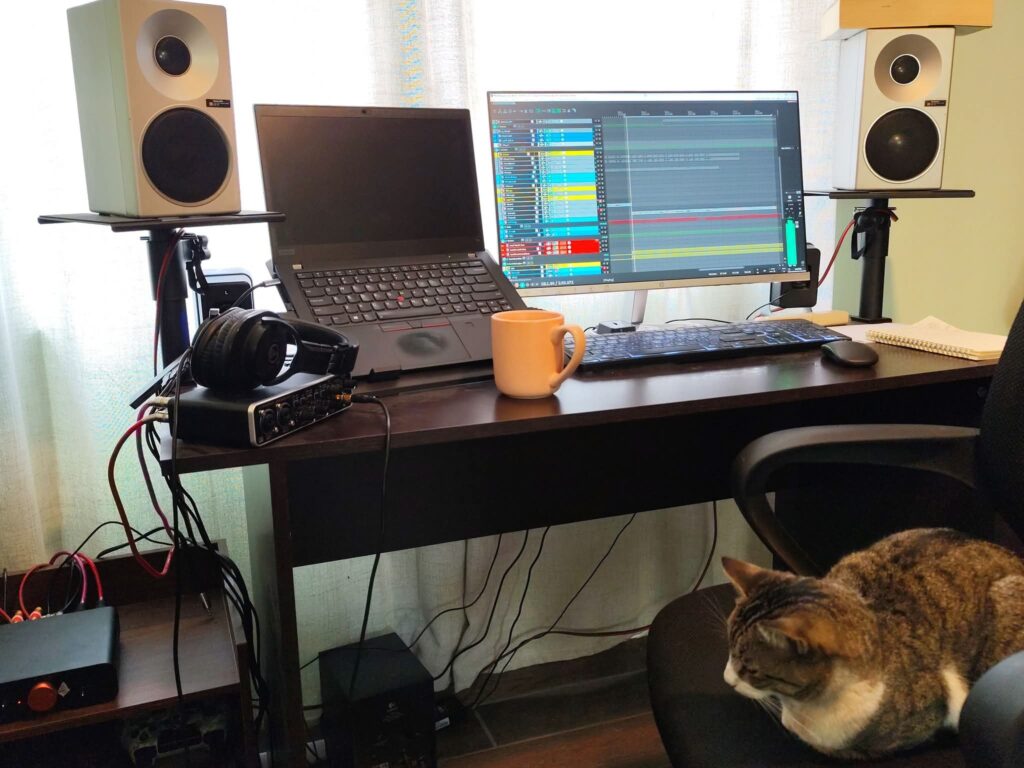
Working alone changes what a room needs to provide. No need to plan for collaboration or extra seating, just a space built around one person’s actual habits and focus.
Textural Japandi Studio Setup
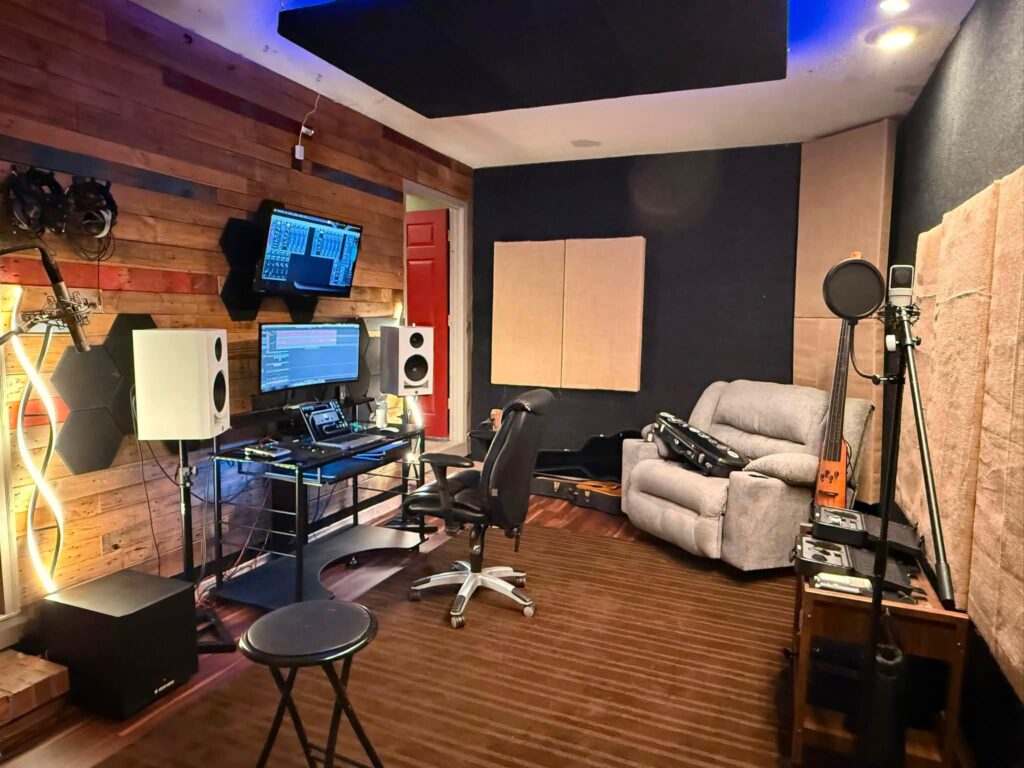
Texture carries a Japandi room more than color does. Woven fabric, raw wood grain, a bit of stone, these do the visual work that decoration would handle in a busier aesthetic.
Japandi Recording Studio for Podcasters
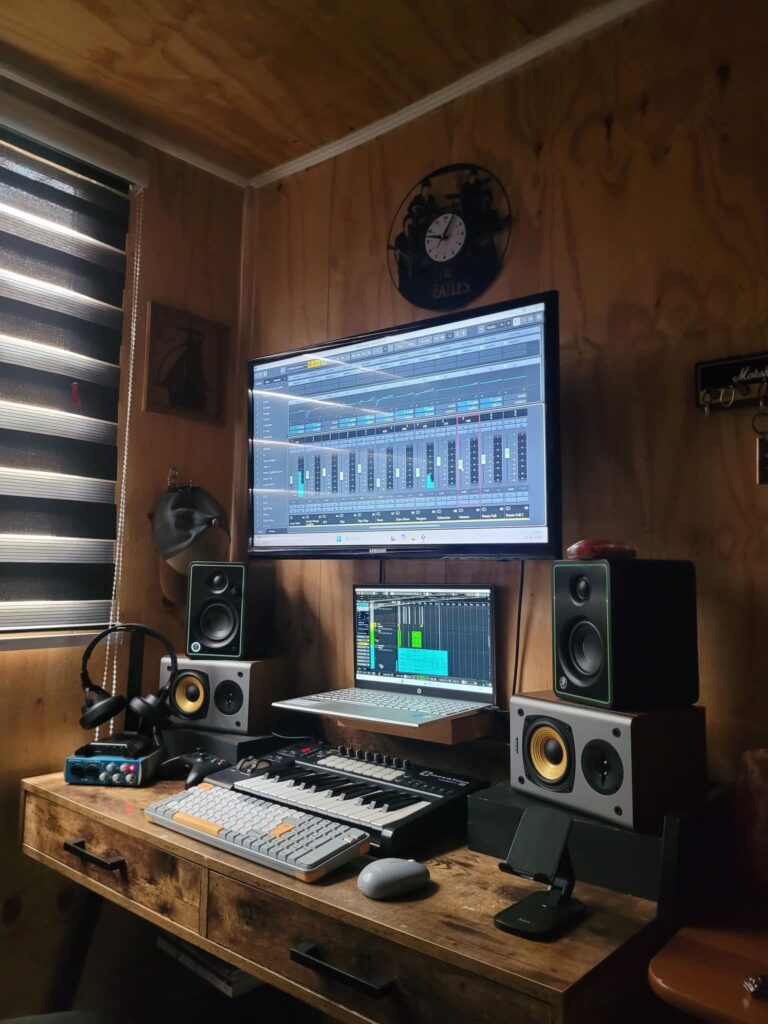
Podcasters spend long, steady hours in their space, often longer than a typical music session.
A calm, low-stimulation room tends to hold up better across that kind of time than something visually loud.
Subtle Japandi Home Music Studio
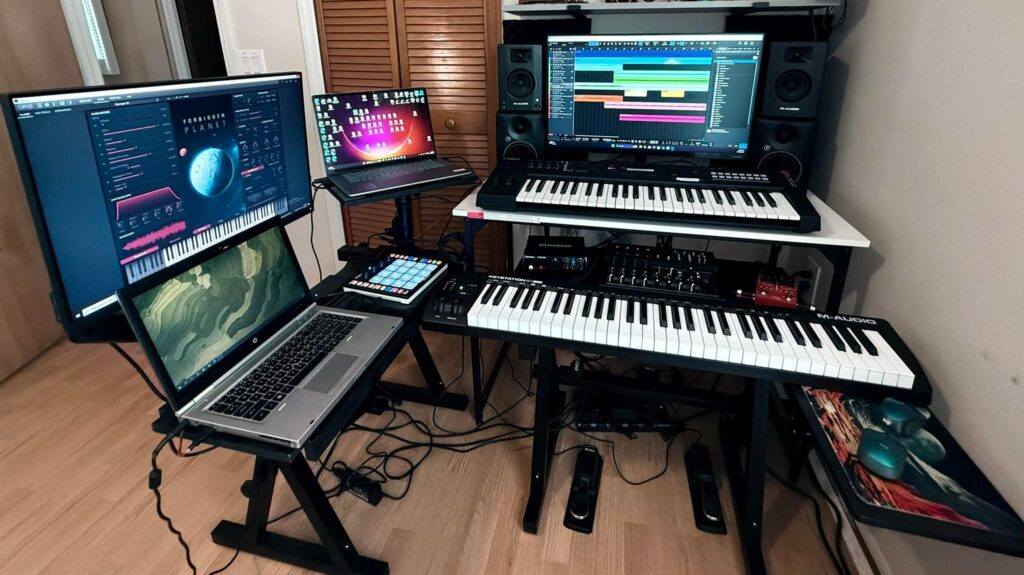
Subtlety ages well in a room you’re in daily. Suits someone who’s stopped chasing trend-driven decor and wants a space that’ll still feel right in five years, not just this season.
Japandi Studio Layout for Vocalists
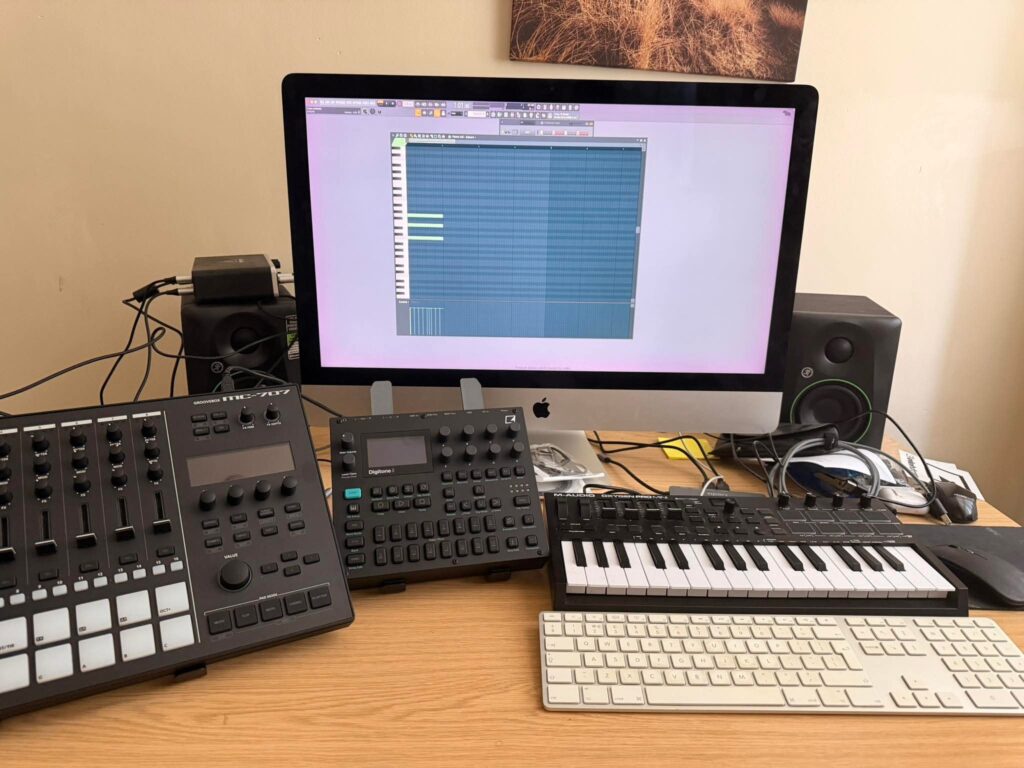
Vocalists spend a lot of time simply standing in a room, which makes how that room feels matter more than usual.
A calm, uncluttered layout tends to translate into a calmer take.
Low Profile Japandi Recording Studio
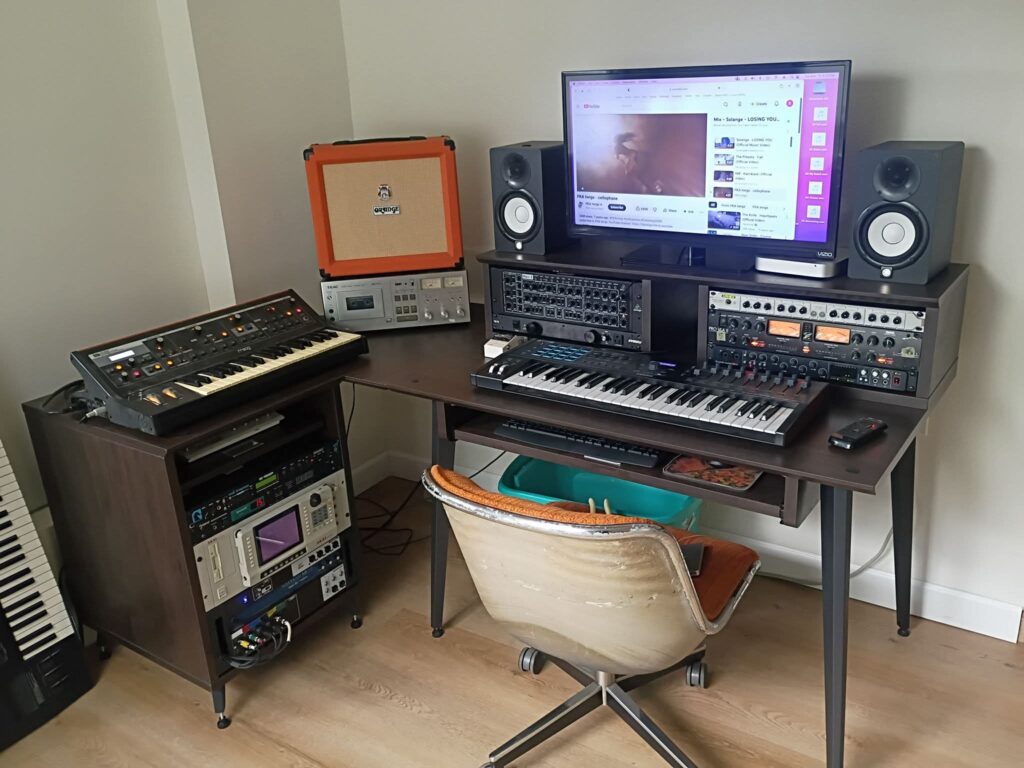
Low profile furniture and a restrained layout keep sightlines open in a small room.
Works especially well in spaces with low ceilings or awkward proportions where bulk only makes things feel tighter.
Japandi Music Production Space for Home Producers
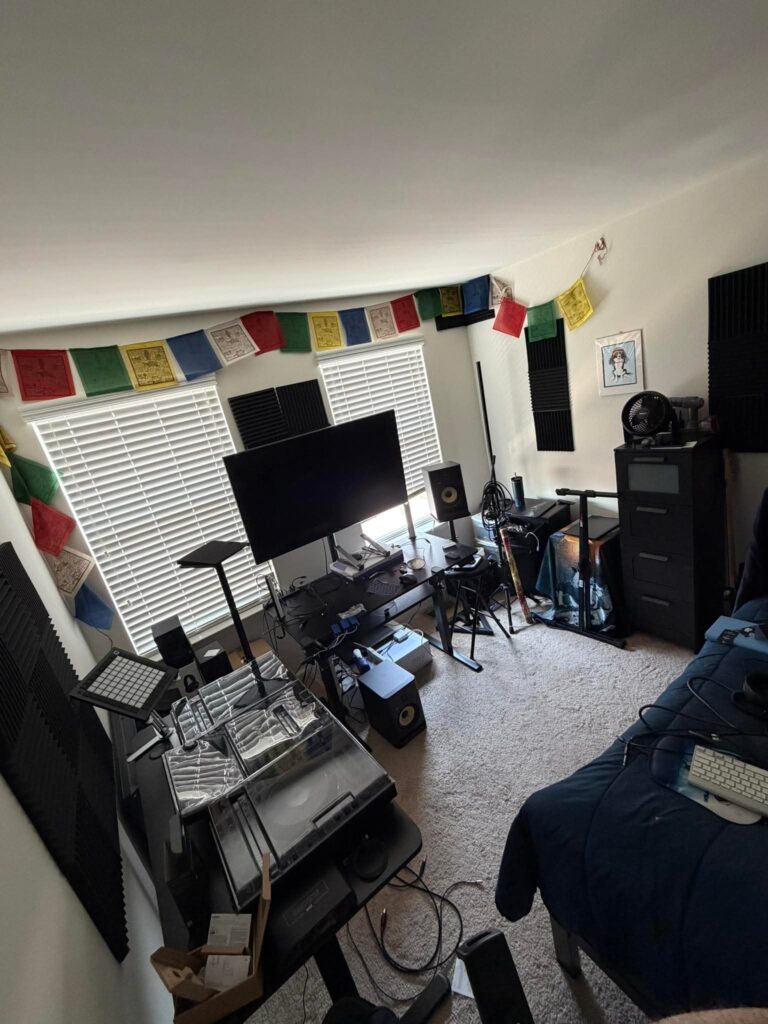
Home producers juggle time, space, and budget in ways commercial studios never have to think about.
A Japandi setup tends to stay realistic on all three fronts instead of demanding a full room renovation.
Cozy Minimal Japandi Studio Corner
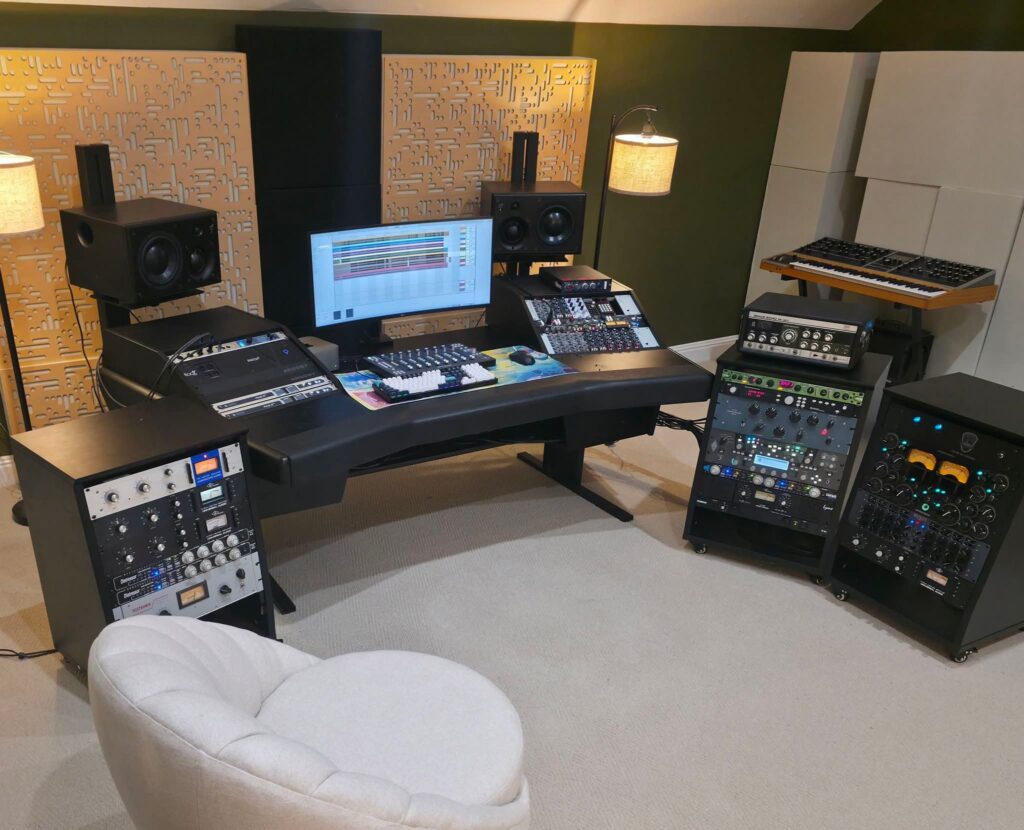
Cozy and minimal aren’t opposites, not in this aesthetic. A single soft textile or warm light source can carry the whole feel of a corner that’s otherwise stripped back.
Japandi Recording Studio for Bedroom Setups
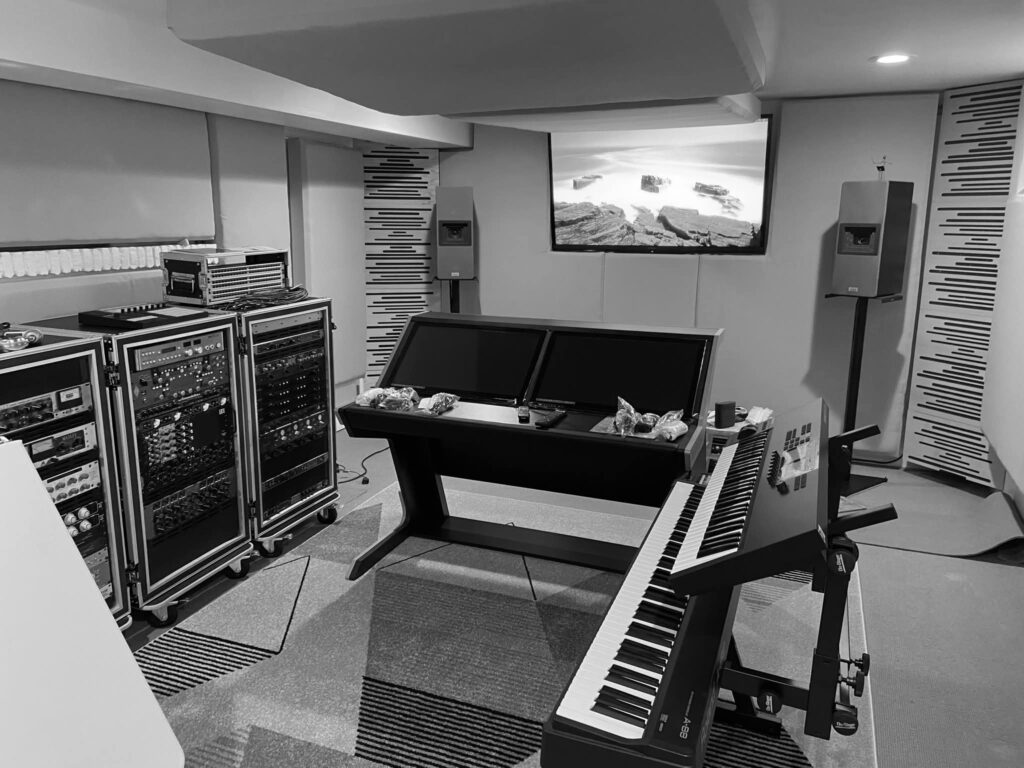
Bedroom studios need to fold into daily life rather than dominate the room. A Japandi approach tends to disappear more easily when you’re not using it, which matters if the studio shares space with where you actually sleep.
Functional Japandi Home Studio Design
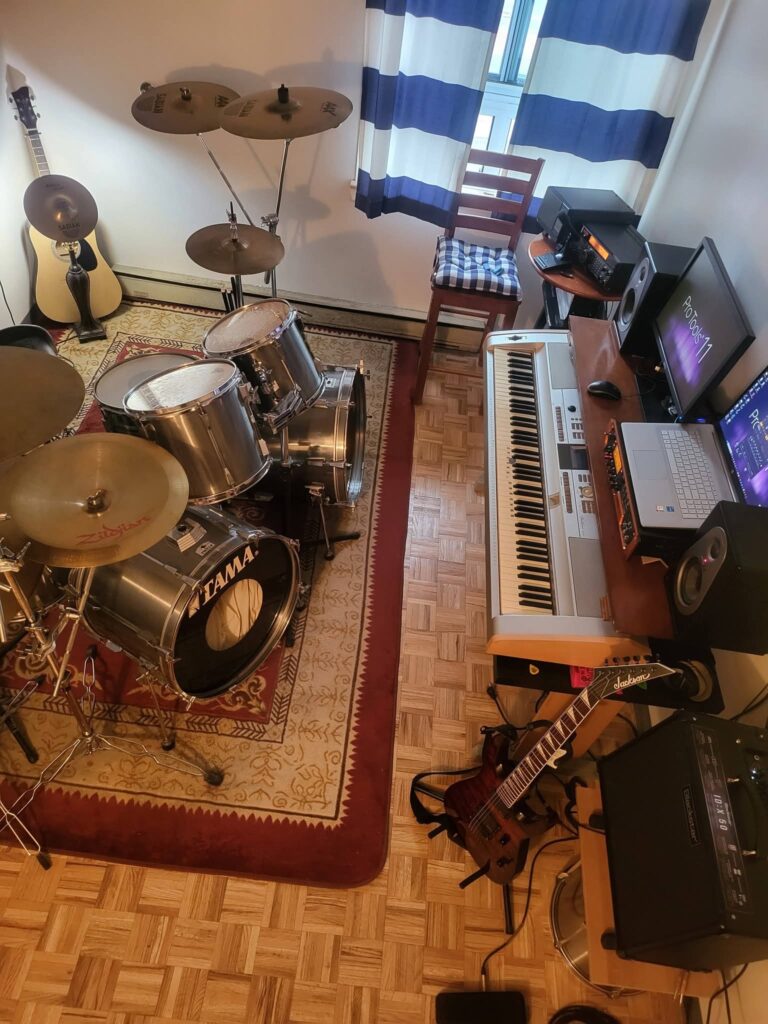
Function leads the design here, not the other way around. Anyone who’s tired of rooms that look impressive but are annoying to actually work in will likely prefer building from what’s useful first.
Japandi Studio Concepts for Loft Spaces
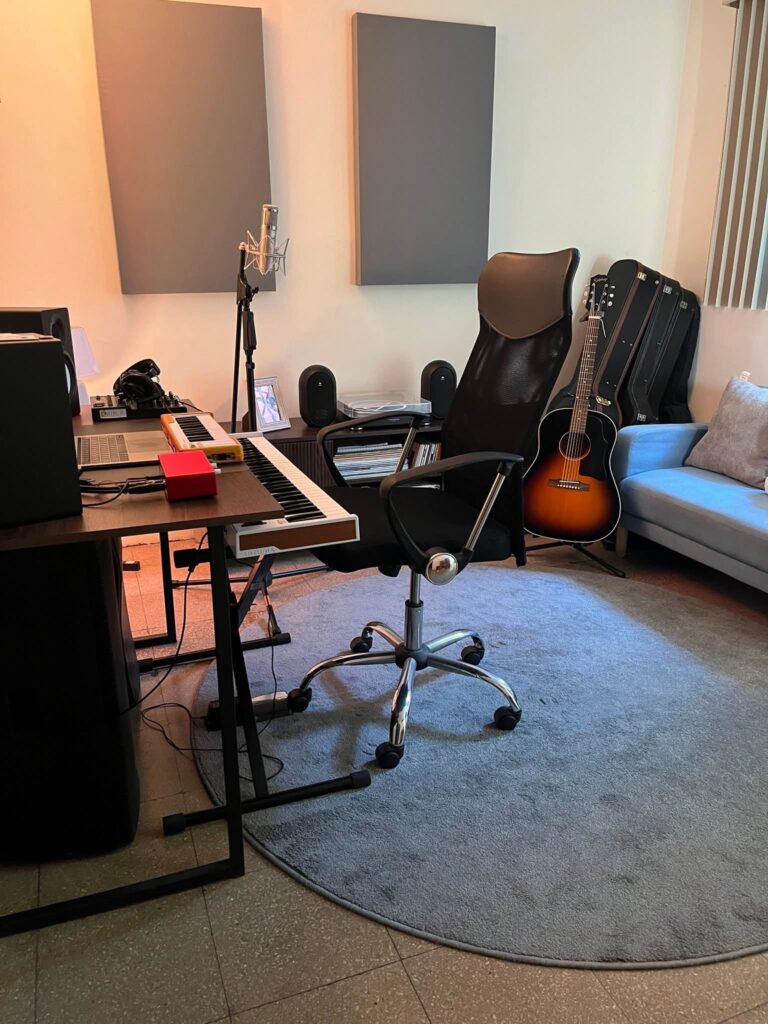
Open loft layouts come with their own acoustic and visual challenges. A grounded, warm-toned Japandi corner can anchor a space that would otherwise feel too open and exposed to focus in.
Light-Filled Japandi Recording Studio Retreat
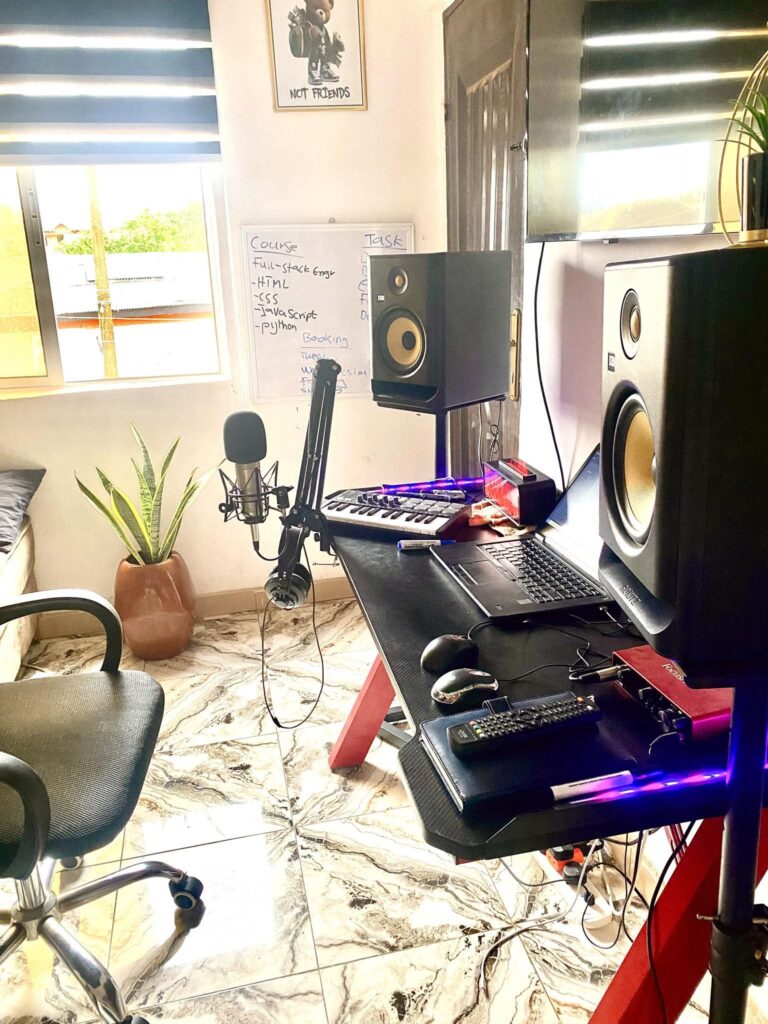
Some people need their studio to feel like a break from the rest of the house, not just another room in it.
A light-filled, uncluttered space marked off with a rug or a shift in furniture can create that separation without any construction at all.
That’s a Wrap
Japandi doesn’t ask for a full remodel or a big budget; it asks for less stuff and more intention about what stays.
If your studio already leans neutral and simple, you’re probably closer to this look than you think.